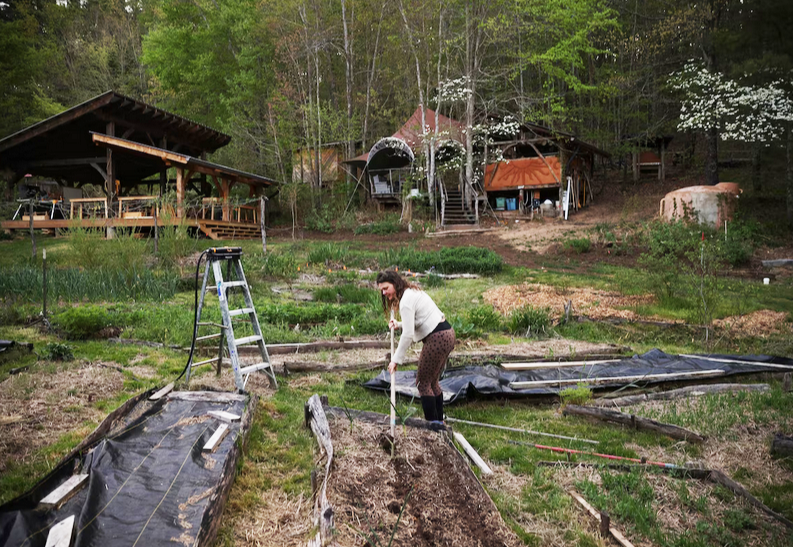
Urban life doesn’t have to mean disconnecting from nature or self-sufficiency. In recent years, modern homesteading for urban dwellers has gained momentum as more people look for ways to live sustainably, even in small apartments or city homes. This approach blends traditional self-reliance with contemporary city living, allowing anyone to grow food, reduce waste, and foster a deeper connection with their environment—no matter their zip code.
Whether you’re interested in growing your own vegetables, making household products, or reducing your ecological footprint, this guide will walk you through practical steps to embrace urban homesteading. You’ll discover how to start small, make the most of limited space, and enjoy the rewards of a more sustainable lifestyle.
For those just starting out, learning how to grow vegetables in small spaces is a great first step. Even a windowsill or balcony can become a productive mini-garden with the right techniques.
Getting Started with Urban Homesteading
Adopting a homesteading mindset in the city begins with a willingness to learn and experiment. You don’t need acres of land—just a desire to live more intentionally and sustainably. Here are a few foundational steps to help you begin:
- Assess your space: Identify sunny windows, balconies, rooftops, or shared community gardens.
- Set realistic goals: Start with one or two projects, such as growing herbs or composting kitchen scraps.
- Research local regulations: Some cities have rules about keeping chickens, bees, or compost bins. Check before you begin.
- Connect with others: Join local gardening clubs, online forums, or community workshops to share knowledge and resources.
Urban Gardening: Growing Food in Small Spaces
One of the most rewarding aspects of modern homesteading for urban dwellers is growing your own food. Even with limited space, you can cultivate a surprising variety of produce. Consider these approaches:
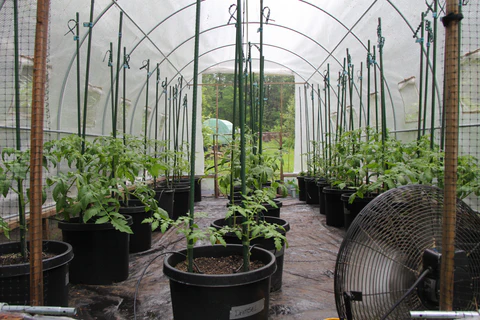
- Container gardening: Use pots, buckets, or repurposed containers for herbs, tomatoes, and leafy greens.
- Vertical gardens: Install shelves, hanging planters, or trellises to maximize vertical space on balconies or patios.
- Community plots: Many cities offer shared garden spaces where you can rent a small plot for seasonal planting.
If you’re new to growing your own food, start with easy crops. For more tips, check out this resource on easy vegetables for beginners to grow and discover which plants thrive in compact environments.
Composting and Waste Reduction in the City
Reducing household waste is a key principle of sustainable living. Urban composting transforms food scraps into valuable soil for your plants, even if you don’t have a backyard. Here’s how city residents can get started:
- Countertop compost bins: Small, odor-resistant bins are perfect for collecting scraps before transferring them to a larger system.
- Vermicomposting: Worm bins can fit under a sink or in a closet, turning food waste into nutrient-rich castings.
- Community composting: Many neighborhoods have drop-off sites for organic waste.
By composting, you’ll not only reduce landfill contributions but also create natural fertilizer for your urban garden.
DIY Skills for Self-Sufficiency
Homesteading in the city isn’t just about gardening. Developing basic DIY skills can help you save money, reduce reliance on store-bought goods, and foster a sense of accomplishment. Consider learning how to:
- Make your own cleaning products using simple ingredients like vinegar and baking soda.
- Preserve food through canning, fermenting, or dehydrating.
- Repair clothing and household items instead of discarding them.
- Bake bread, yogurt, or other staples from scratch.
These skills not only support a more sustainable lifestyle but also help you become more resilient and resourceful.
Maximizing Limited Space for Homesteading Projects
Space constraints are a common challenge for city dwellers. However, creative solutions can help you make the most of every square foot. Here are some ideas:
- Stackable planters: Grow more in less space by using vertical or tiered containers.
- Window boxes: Install boxes outside windows for herbs or flowers.
- Multi-purpose furniture: Use benches with built-in storage for gardening tools or supplies.
- Rooftop gardens: If your building allows, rooftops can be transformed into productive green spaces.
For more inspiration on maximizing yields, see this advice on the best vegetables to grow at home and how to select crops that thrive in containers or raised beds.
Building Community and Sharing Resources
Urban homesteading thrives when people work together. Sharing tools, seeds, and knowledge with neighbors or local groups can make projects more affordable and enjoyable. Look for:
- Seed swaps and plant exchanges
- Tool libraries
- Community-supported agriculture (CSA) programs
- Workshops and classes at local gardens or community centers
By building connections, you’ll find support, inspiration, and new opportunities to expand your skills.
Learning More About Urban Self-Reliance
There’s a wealth of information available for those interested in city-based homesteading. Podcasts, blogs, and online communities offer tips and encouragement. For a deeper dive, listen to this introduction to modern homesteading podcast for expert insights and practical advice.
As you explore further, remember that every small step counts. Whether you’re growing a single tomato plant or transforming your apartment into a green oasis, you’re contributing to a more sustainable future.
Frequently Asked Questions
What are the easiest crops to grow in an apartment?
Herbs like basil, mint, and chives are excellent choices for beginners. Leafy greens such as lettuce and spinach also do well in containers. If you have a sunny spot, cherry tomatoes and peppers can thrive indoors or on balconies. For more guidance, explore resources on how to grow onions from bulbs and other beginner-friendly vegetables.
Can I compost indoors without attracting pests?
Yes, indoor composting is possible with the right setup. Vermicomposting (using worms) is a popular method that’s odor-free and efficient. Make sure to use a well-sealed bin and avoid adding meat or dairy scraps, which can attract unwanted pests.
How can I get involved with local urban homesteading communities?
Start by searching for community gardens, gardening clubs, or sustainability workshops in your area. Many cities have online groups or social media pages dedicated to urban gardening and self-sufficiency. Attending local events or volunteering at a garden is a great way to meet like-minded people and share resources.
Conclusion
Embracing modern homesteading for urban dwellers is about making intentional choices to live more sustainably, even in the heart of the city. By growing your own food, reducing waste, and building community, you’ll enjoy a healthier lifestyle and a stronger connection to the world around you. Start small, stay curious, and celebrate each step on your journey toward urban self-reliance.