Families seeking a more self-sufficient lifestyle often discover that learning together is just as important as growing food or raising animals. Embracing modern homesteading family education ideas means blending practical skills, hands-on experiences, and traditional knowledge with today’s resources. Whether you’re new to homesteading or looking to deepen your family’s connection to the land, there are countless ways to make learning a natural, everyday part of your home life.
This guide explores creative approaches to teaching children and adults on the homestead, from gardening and animal care to natural sciences and sustainable living. Along the way, you’ll find tips for integrating education into daily routines and discover resources that help families thrive together. For those interested in optimizing their property, the modern homesteading fencing guide offers practical advice to support your efforts.
Integrating Learning Into Everyday Homestead Life
One of the greatest advantages of homesteading is the opportunity to turn daily tasks into meaningful lessons. Children and adults alike can learn by doing, gaining practical knowledge that textbooks alone can’t provide. Here are some ways to weave education into your routine:
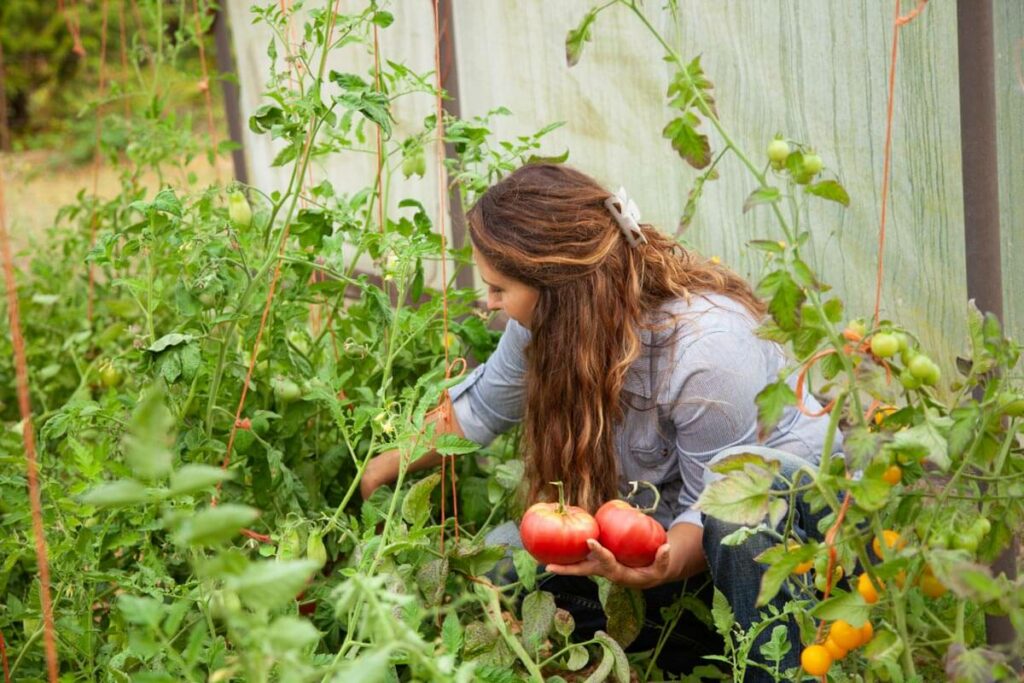
- Gardening: Involve everyone in planting, tending, and harvesting crops. Discuss plant biology, soil health, and the importance of pollinators as you work together.
- Animal Care: Assign age-appropriate chores like feeding, collecting eggs, or cleaning pens. Use these moments to talk about animal behavior, life cycles, and ethical stewardship.
- Food Preservation: Teach canning, fermenting, and dehydrating as family activities. Explain the science behind each method and the value of reducing food waste.
- Resource Management: Involve kids in tracking water usage, composting, or rotating pastures. These tasks build math, observation, and problem-solving skills.
Project-Based Learning for Homestead Families
Project-based learning is a cornerstone of many modern homesteading family education ideas. By working on real-world projects, families can explore science, math, history, and art in a way that feels relevant and engaging. Consider these project themes:
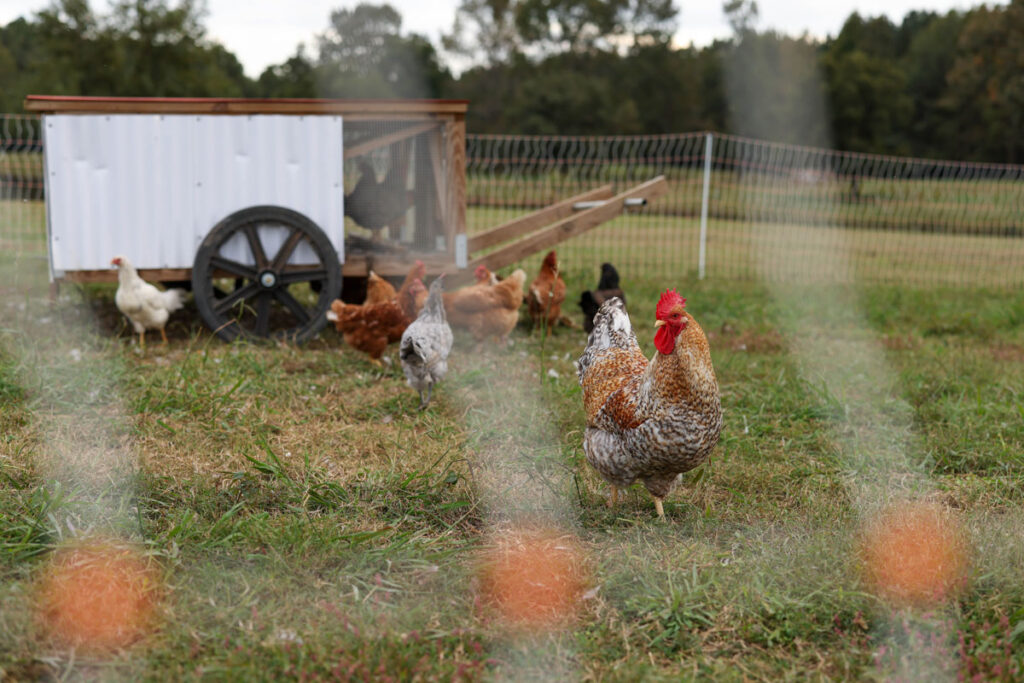
- Building a Chicken Coop: Involve the whole family in planning, measuring, and constructing a safe home for your flock. Discuss design, budgeting, and animal needs.
- Starting a Herb Garden: Research herbs, design garden beds, and learn about medicinal and culinary uses. For inspiration, explore the modern homesteading herbal garden ideas resource.
- Composting Systems: Build a compost bin and track decomposition rates. Use the process to teach about biology, chemistry, and environmental stewardship.
- Seasonal Food Planners: Create a family calendar for planting, harvesting, and preserving. This helps children understand cycles in nature and the importance of timing.
Nature Study and Outdoor Exploration
Homesteads are perfect for fostering curiosity about the natural world. Encourage children to observe wildlife, track weather patterns, and identify native plants. Keep a nature journal to record findings, sketches, and questions. This practice not only builds scientific literacy but also deepens appreciation for the land.
For families interested in sustainable living, exploring resources like the modern homesteading seasonal living guide can offer valuable insights into adapting routines to the rhythms of nature.
Blending Traditional Skills With Modern Resources
While traditional homesteading skills remain essential, today’s families have access to a wealth of modern tools and information. Online courses, podcasts, and community groups can supplement hands-on learning. For example, learning about the basics of homesteading and its evolution can help families understand the broader context of their efforts.
Consider using digital apps to track garden progress, manage livestock records, or plan seasonal tasks. Many families also benefit from connecting with local extension offices or joining homesteading co-ops for shared learning and support.
Encouraging Independence and Responsibility
One of the most valuable aspects of homestead education is teaching children to take initiative and responsibility. Assigning regular chores, allowing kids to manage small projects, and involving them in decision-making builds confidence and life skills. Over time, these experiences foster a sense of ownership and pride in the family’s accomplishments.
For older children and teens, consider introducing more advanced topics such as tool maintenance or homestead design. Resources like the modern homesteading tool maintenance tips and homestead design ideas guides can provide inspiration and practical advice.
Making Learning Fun and Meaningful
Keeping education enjoyable is key to long-term engagement. Incorporate games, challenges, and creative projects into your routine. Host family cook-offs with homegrown ingredients, organize scavenger hunts for wild edibles, or set up simple science experiments using materials from around the homestead.
Celebrate milestones, such as the first ripe tomato or a successful batch of homemade jam. These moments reinforce the value of hard work and learning together, making education a cherished part of family life.
Frequently Asked Questions
How can families new to homesteading start integrating education at home?
Begin by involving everyone in daily tasks like gardening, animal care, and food preparation. Choose one or two small projects to work on together, such as building a raised bed or starting a compost pile. Use these activities as opportunities to discuss science, math, and life skills in a natural way.
What are some resources for teaching traditional homesteading skills?
Many local extension offices offer free workshops and materials. Online platforms provide video tutorials, printable guides, and forums for sharing experiences. Books on gardening, animal husbandry, and food preservation are also valuable. Connecting with other homesteaders through community groups can offer support and inspiration.
How do modern tools and technology fit into homestead education?
Technology can enhance learning by providing access to up-to-date information, tracking progress, and connecting families with experts. Apps for garden planning, livestock management, and weather monitoring are useful additions. Online courses and podcasts can supplement hands-on experiences and broaden your family’s knowledge base.