Building a modern homesteading backyard compost system is an essential step for anyone seeking greater self-sufficiency and sustainability at home. Composting transforms kitchen scraps, yard waste, and other organic materials into nutrient-rich soil, reducing landfill waste and supporting healthy gardens. Whether you’re new to homesteading or looking to upgrade your current setup, understanding the principles and best practices behind a backyard compost operation can help you maximize your yields while minimizing effort.
This article explores the fundamentals of designing, building, and maintaining a composting solution tailored for today’s homesteader. You’ll find practical advice on materials, bin styles, troubleshooting, and how to integrate composting into a holistic, eco-friendly lifestyle. If you’re interested in expanding your homesteading skills, you may also want to check out the modern homesteading self reliance skills guide for more ways to boost your independence.
Why Composting Matters for the Modern Homestead
Composting is more than just a way to dispose of organic waste—it’s a cornerstone of sustainable living. By turning food scraps, leaves, and even cardboard into valuable soil amendments, you close the nutrient loop on your property. This reduces dependency on chemical fertilizers and supports robust, healthy plant growth.
For those practicing modern homesteading, a backyard compost system offers several benefits:
- Reduces landfill waste and greenhouse gas emissions
- Improves soil structure and fertility for gardens and landscaping
- Encourages biodiversity by supporting beneficial microbes and insects
- Decreases the need for store-bought soil amendments
- Helps manage yard and kitchen waste efficiently
Integrating composting with other homesteading practices—such as raising chickens or growing herbs—creates a resilient, interconnected system. For more ideas on integrating natural solutions, see the modern homesteading natural remedies guide.

Choosing the Right Compost Bin for Your Backyard
There are several types of compost bins suitable for a modern homesteading backyard compost system. The best choice depends on your available space, the volume of organic material you generate, and your desired level of involvement.
Open Pile or Heap
This is the simplest method—just create a pile of compostable materials in a corner of your yard. It’s cost-effective and easy to expand, but may attract pests and can look untidy.
Enclosed Bins
Enclosed bins, such as plastic or wooden containers, keep compost contained and help retain heat and moisture. They’re ideal for smaller yards and urban settings, offering a neater appearance and some protection from animals.
Tumbling Composters
Tumblers are rotating drums that make turning your compost easy. These are great for speeding up decomposition and minimizing odors, but they typically hold less material than open piles or large bins.
Three-Bin Systems
For larger homesteads or those generating significant organic waste, a three-bin system allows you to manage compost at different stages: fresh, maturing, and finished. This setup streamlines the process and ensures a continuous supply of finished compost.
For more on integrating infrastructure into your property, the modern homesteading fencing guide offers tips on planning and building essential homestead features.
What to Compost: Browns, Greens, and What to Avoid
Successful composting relies on balancing two main types of materials:
- Browns (carbon-rich): dry leaves, straw, cardboard, paper, wood chips
- Greens (nitrogen-rich): fruit and vegetable scraps, coffee grounds, grass clippings, manure from herbivores
Aim for a ratio of roughly three parts browns to one part greens. This balance encourages efficient decomposition and helps prevent unpleasant odors.
Items to avoid adding to your compost include:
- Meat, dairy, and oily foods (can attract pests and create odors)
- Pet waste from carnivores (may contain pathogens)
- Diseased plants or weeds that have gone to seed
- Glossy or coated paper products
How to Build a Productive Compost System at Home
Setting up a backyard compost operation doesn’t require expensive equipment. Here’s a step-by-step overview for getting started:
- Choose a location: Select a well-drained, partially shaded spot that’s easily accessible year-round.
- Build or install your bin: Use pallets, wire mesh, or a commercial bin. Ensure good airflow and drainage.
- Layer materials: Start with coarse browns at the bottom, then alternate layers of greens and browns as you add material.
- Maintain moisture: Compost should feel like a wrung-out sponge. Water as needed, especially in dry weather.
- Turn regularly: Aerate your pile every week or two to speed up decomposition and prevent odors.
- Monitor progress: Finished compost is dark, crumbly, and earthy-smelling. Most backyard systems produce usable compost in 2–6 months, depending on conditions.
For those interested in herbal gardening, integrating compost into your beds can greatly improve plant health. The modern homesteading herbal garden ideas resource provides inspiration for using your homemade compost in creative ways.
Maintaining and Troubleshooting Your Compost Pile
Even the best systems occasionally run into issues. Here’s how to keep your compost pile healthy and productive:
- Odors: Usually caused by too many greens or poor aeration. Add more browns and turn the pile.
- Pests: Avoid adding meat, dairy, or cooked foods. Use enclosed bins if wildlife is a concern.
- Slow decomposition: Check moisture and aeration. Add more greens if the pile is too dry or brown-heavy.
- Pile too wet: Mix in dry browns and turn to improve airflow.
Regular monitoring and small adjustments will keep your composting process on track. For those interested in preserving the harvest, the modern homesteading preserving herbs guide complements composting by helping you make the most of your garden’s bounty.
Integrating Composting with Other Homesteading Practices
A compost system is just one piece of a resilient homestead. Many modern homesteaders combine composting with other sustainable practices, such as:
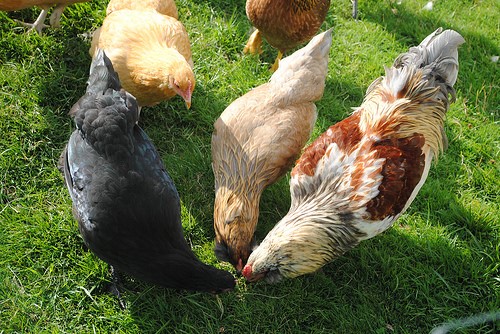
- Raising chickens, which provide manure for compost and help manage food scraps
- Growing a diverse range of crops to maximize use of homemade compost
- Harvesting rainwater to maintain compost moisture
- Using finished compost as mulch or soil amendment in vegetable and herb gardens
To learn more about the broader philosophy and practicalities of self-sufficient living, visit this comprehensive introduction to modern homesteading.
Frequently Asked Questions
How long does it take to make finished compost?
With regular turning and the right balance of materials, backyard compost can be ready in as little as two to six months. Factors like temperature, moisture, and the size of materials all influence the speed of decomposition.
Can I compost in a small yard or urban setting?
Absolutely. Enclosed bins and tumblers are ideal for limited spaces. They help control odors and keep pests out, making composting practical even in city environments.
What should I do if my compost smells bad?
Unpleasant odors are usually a sign of too much moisture or an imbalance between greens and browns. Add more dry, carbon-rich materials and turn the pile to increase airflow. Avoid adding meat, dairy, or oily foods.
Conclusion
Creating a modern homesteading backyard compost system is a practical, rewarding way to support your garden, reduce waste, and take another step toward self-reliance. By choosing the right bin, balancing your materials, and integrating composting with other sustainable practices, you’ll enjoy healthier soil and a more resilient homestead for years to come.