Interest in modern homesteading and self sufficiency has grown rapidly as more people seek ways to live sustainably, reduce their reliance on commercial systems, and reconnect with nature. This lifestyle is not just about living off the land in a rural setting; it’s about making intentional choices to produce more of what you consume, minimize waste, and develop practical skills—whether you live on acreage or in the city.
Embracing self-reliance can take many forms, from growing your own vegetables and raising backyard chickens to learning food preservation and renewable energy use. The journey is unique for every household, but the core principles remain the same: resourcefulness, sustainability, and a commitment to continual learning.
If you’re new to this way of living, starting with small, manageable projects is key. For instance, you might begin by learning how to grow onions from bulbs or experimenting with container gardening. As your confidence and skills grow, you can expand your efforts and gradually move toward greater independence.
Understanding the Principles of Modern Homesteading
At its core, modern homesteading is about adapting traditional self-sufficient practices to today’s world. While the classic image may involve a remote farmhouse and acres of crops, the modern approach is far more flexible. Urban dwellers, suburban families, and rural residents alike can all adopt elements of this lifestyle.
Key principles include:
- Self-reliance: Producing food, energy, and other essentials as much as possible.
- Sustainability: Using resources wisely and minimizing environmental impact.
- Skill-building: Learning practical skills such as gardening, carpentry, food preservation, and animal care.
- Community: Sharing knowledge, resources, and support with others who have similar goals.
For a deeper dive into what this lifestyle entails and how to begin, you can explore this comprehensive guide to modern homesteading and how to get started.
Getting Started with Self-Sufficiency at Home
Taking the first steps toward self-sufficiency doesn’t require a complete lifestyle overhaul. In fact, gradual changes are often more sustainable and less overwhelming. Here are some practical ways to begin:
- Grow your own food: Start with easy crops such as lettuce, radishes, or tomatoes. Even a small balcony or patio can support container gardening. If you’re limited on space, check out these tips on how to grow vegetables in small spaces.
- Compost kitchen scraps: Composting reduces landfill waste and creates nutrient-rich soil for your garden.
- Preserve seasonal produce: Learn canning, fermenting, or dehydrating to enjoy homegrown food year-round.
- Reduce energy use: Simple changes like switching to LED bulbs, using clotheslines, or installing rain barrels can make a big difference.
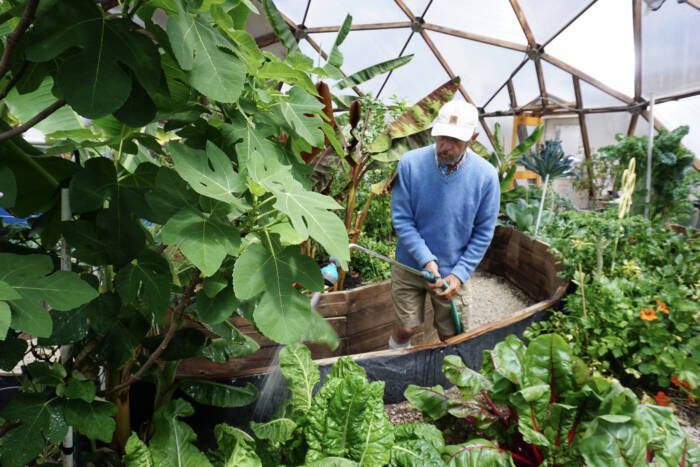
Each small step builds confidence and momentum, helping you move closer to your self-reliance goals.
Essential Skills for a Self-Reliant Lifestyle
Developing a range of practical skills is central to modern homesteading and self sufficiency. The more you can do for yourself, the less dependent you become on outside systems. Here are some valuable skills to consider:
- Gardening: Understanding soil health, crop rotation, and pest management is fundamental. Beginners may want to explore the easiest vegetables for beginners to grow to build confidence.
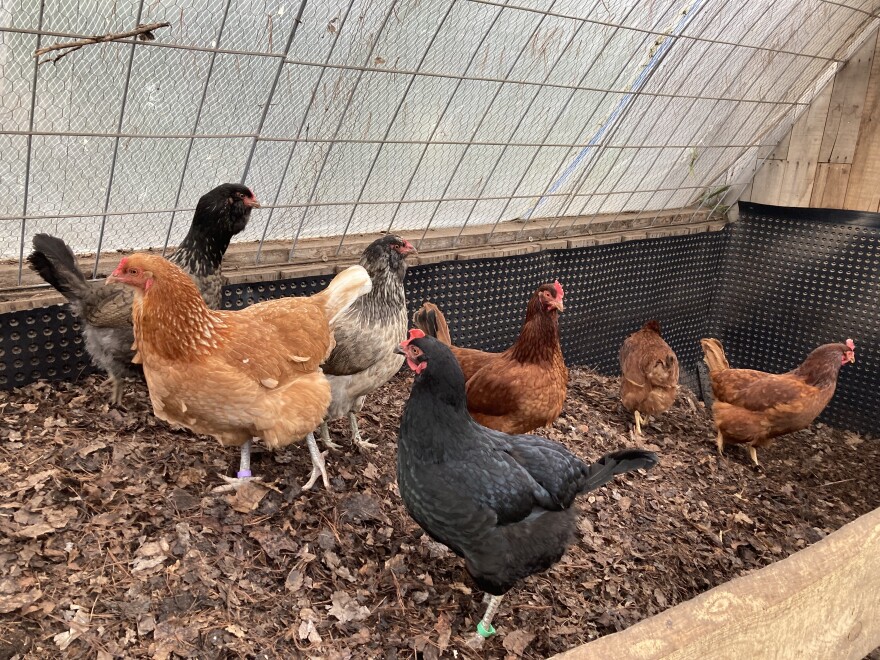
- Animal husbandry: Raising chickens for eggs, bees for honey, or goats for milk can add variety and nutrition to your diet.
- Food preservation: Canning, freezing, and drying help you store surplus produce and reduce food waste.
- Basic carpentry and repairs: Building raised beds, fixing fences, or creating simple structures can save money and increase independence.
- Renewable energy: Learning about solar panels, wind turbines, or alternative heating methods can help reduce reliance on the grid.
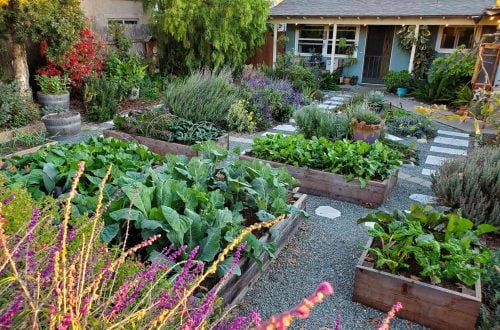
Building these skills takes time, but each new ability increases your confidence and resilience.
Planning Your Garden for Maximum Yield
One of the most rewarding aspects of a self-sufficient lifestyle is growing your own food. Planning is crucial for a productive garden, whether you’re working with a large plot or a few raised beds. Consider the following tips:
- Choose the right crops: Focus on vegetables and fruits that you and your family enjoy and that grow well in your climate. For inspiration, see the best vegetables to grow at home for fresh produce.
- Stagger planting times: Planting in intervals ensures a steady harvest throughout the season.
- Practice crop rotation: Rotating crops helps prevent soil depletion and reduces pest problems.
- Use companion planting: Some plants benefit each other when grown together, improving yields and deterring pests.
Don’t forget to pay attention to your local climate and soil conditions. Knowing when to plant vegetables in spring can make a significant difference in your harvest.
Challenges and Rewards of the Homesteading Journey
Pursuing a more independent lifestyle comes with its own set of challenges. Weather, pests, time constraints, and learning curves can all test your patience. However, the rewards—fresh food, reduced expenses, improved health, and a sense of accomplishment—often outweigh the difficulties.
Many people find that the process itself is just as valuable as the end result. Each setback offers a learning opportunity, and every small victory builds resilience. Over time, you’ll develop a deeper appreciation for the resources you use and the food you eat.
Building Community and Sharing Knowledge
While self-reliance is a core value, no one needs to go it alone. Connecting with others who share your interests can provide encouragement, practical advice, and even opportunities for bartering or sharing resources. Local gardening clubs, online forums, and community workshops are excellent places to start.
Sharing your own experiences—successes and failures alike—can help others on their journey and strengthen the broader movement toward sustainability.
Frequently Asked Questions
What are some easy first steps for beginners?
Start by growing a few vegetables in containers or a small garden bed. Composting kitchen scraps and learning basic food preservation techniques like freezing or pickling are also accessible entry points. Focus on one or two projects at a time to avoid overwhelm.
Do I need a lot of land to practice self-sufficiency?
No, you can adopt many homesteading practices in small spaces. Urban and suburban residents can grow food in containers, use vertical gardening techniques, and raise small livestock like chickens or rabbits where permitted. The key is making the most of the space you have.
How can I make my homestead more sustainable?
Use organic gardening methods, conserve water, reduce energy use, and recycle or repurpose materials whenever possible. Incorporating renewable energy sources and supporting local food systems also contribute to greater sustainability.
Conclusion
Adopting a lifestyle focused on modern homesteading and self sufficiency is a rewarding path toward greater independence, sustainability, and personal fulfillment. Whether you’re just starting or looking to expand your skills, every step you take brings you closer to a more resilient and resourceful way of living. By learning, sharing, and adapting, you can create a home that supports your family and the environment for years to come.