Gardening can be a rewarding hobby, but it often comes with the perception that it requires constant attention and effort. Fortunately, there are plenty of low maintenance vegetables to grow that allow even the busiest or most novice gardeners to enjoy fresh produce with minimal fuss. By choosing the right crops and following a few simple strategies, you can cultivate a thriving vegetable patch that fits seamlessly into your lifestyle.
Whether you’re short on time, new to gardening, or simply want to reduce the workload, focusing on easy-care vegetables is a smart approach. In this guide, you’ll discover which crops require the least effort, how to set up your garden for success, and practical tips for keeping everything running smoothly. If you’re gardening in a hot region, you might also want to check out the best vegetables for hot climates for additional inspiration.
Why Choose Easy-Care Vegetables?
Opting for vegetables that require little attention offers several benefits. These crops are generally more resilient to pests, diseases, and weather fluctuations. They often thrive with basic care, making them ideal for beginners or anyone seeking a more relaxed gardening experience. By focusing on low maintenance vegetables to grow, you can enjoy:
- Consistent harvests with less effort
- Reduced need for watering, weeding, and fertilizing
- Greater success for first-time gardeners
- More time to enjoy your garden rather than laboring in it
Top Low Effort Vegetables for Beginners
Some vegetables are naturally suited to minimal care. Here are some of the best options for a low-stress garden:
- Radishes: Fast-growing and tolerant of various soil types, radishes are ready to harvest in as little as three to four weeks. For a quick guide, see how to grow radishes quickly.
- Lettuce and Salad Greens: Leafy greens like lettuce, arugula, and spinach are easy to sow, require little maintenance, and can be harvested multiple times.
- Zucchini: This prolific squash is famous for its high yields and low demands. For tips on maximizing your harvest, visit how to grow zucchini successfully.
- Swiss Chard: Chard is both decorative and resilient, tolerating heat and light frost while producing leaves over a long season.
- Green Beans: Both bush and pole beans are reliable, require little fertilization, and are less prone to pests.
- Carrots: Once established, carrots need little more than occasional watering and thinning.
- Potatoes: Plant them in loose soil, cover as they grow, and harvest when the foliage dies back. Minimal attention is needed between planting and harvest.
- Garlic: Plant in the fall, mulch, and forget about it until late spring or early summer when it’s ready to harvest.
Setting Up a Simple Vegetable Garden
Creating a garden that’s easy to manage starts with smart planning. Here are some practical steps to make your gardening experience as stress-free as possible:
- Choose the Right Location: Pick a spot with at least six hours of sunlight and good drainage.
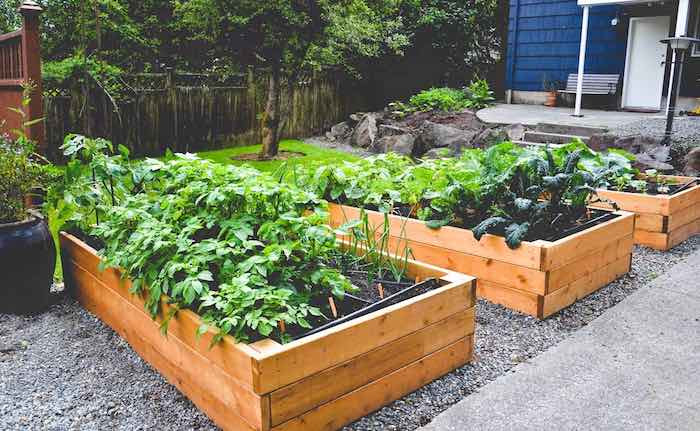
- Use Raised Beds or Containers: Raised beds help control soil quality, reduce weeds, and make maintenance easier. Containers are perfect for patios and small spaces.
- Start with Quality Soil: Invest in nutrient-rich soil or amend your garden bed with compost for better results.
- Mulch Generously: A thick layer of mulch suppresses weeds and retains moisture, cutting down on watering and weeding.
- Install Drip Irrigation or Soaker Hoses: Automated watering systems save time and ensure consistent moisture.
For more beginner-friendly tips, check out this beginner’s guide to creating a vegetable garden with practical advice for new gardeners.
Tips for Reducing Garden Chores
Even when growing low maintenance vegetables, a few simple habits can help keep your garden running smoothly with minimal input:
- Water Deeply, but Less Often: Deep watering encourages roots to grow down, making plants more drought-resistant.
- Group Plants with Similar Needs: Planting crops with similar water and sunlight requirements together simplifies care.
- Choose Disease-Resistant Varieties: Many seed catalogs label varieties that resist common pests and diseases.
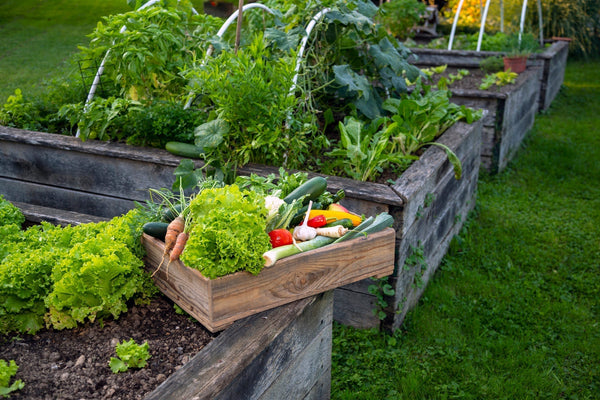
- Harvest Regularly: Picking vegetables when they’re ready encourages continued production and prevents overripening.
Best Practices for Effortless Harvests
Once your garden is established, a few ongoing practices will help you get the most from your easy-care crops:
- Monitor Soil Moisture: Use a soil moisture meter to avoid over- or under-watering.
- Rotate Crops: Changing the location of your vegetables each year helps prevent soil-borne diseases and pest buildup.
- Keep Records: Jot down planting dates, varieties, and harvest times to refine your approach each season.
If you’re interested in expanding your garden, consider learning more about how to grow cabbage step by step or how to grow eggplant at home for additional low-effort options.
Common Mistakes to Avoid
Even with the easiest vegetables, a few pitfalls can make gardening more work than it needs to be. Avoid these common mistakes for a truly relaxed experience:
- Overcrowding plants, which leads to poor air circulation and disease
- Neglecting to mulch, resulting in more weeds and frequent watering
- Ignoring pest issues until they become severe
- Choosing high-maintenance crops that require staking, pruning, or constant attention
Frequently Asked Questions
What are the easiest vegetables for new gardeners?
Some of the simplest crops for beginners include radishes, lettuce, green beans, zucchini, and Swiss chard. These vegetables are forgiving, grow quickly, and require minimal care.
How can I reduce the amount of weeding in my garden?
Applying a thick layer of mulch around your plants is one of the most effective ways to suppress weeds. Raised beds and densely planted crops also help minimize weed growth.
Do low maintenance vegetables need fertilizer?
Most easy-care vegetables will thrive in soil that’s been enriched with compost or a balanced organic fertilizer at planting time. Additional feeding is rarely necessary unless your soil is poor or plants show signs of nutrient deficiency.
Can I grow these vegetables in containers?
Absolutely. Many low-effort vegetables, such as lettuce, radishes, and beans, do well in containers. Just ensure your pots have good drainage and are large enough for the crop you’re growing.
With the right choices and a few smart strategies, growing your own vegetables doesn’t have to be time-consuming or stressful. By focusing on low maintenance vegetables to grow, you’ll enjoy fresh, homegrown produce with less work and more satisfaction.