Zucchini is one of the most productive and rewarding vegetables for home gardeners. With the right approach, you can enjoy an abundant harvest all summer long. Whether you’re a beginner or looking to improve your results, learning how to grow zucchini successfully can make a big difference in yield and plant health. This guide covers everything you need to know—from soil preparation and planting to pest management and harvesting—so you can enjoy baskets of fresh zucchini from your own garden.
If you’re interested in expanding your vegetable patch, you might also find value in guides like how to grow cabbage step by step, which offers practical advice for other popular crops.
Choosing the Right Spot and Preparing the Soil
Location is key for thriving zucchini plants. Select a sunny area that receives at least 6–8 hours of direct sunlight daily. Zucchini prefers well-drained, fertile soil with a pH between 6.0 and 7.5. Before planting, work in plenty of compost or well-rotted manure to boost organic matter and nutrients.
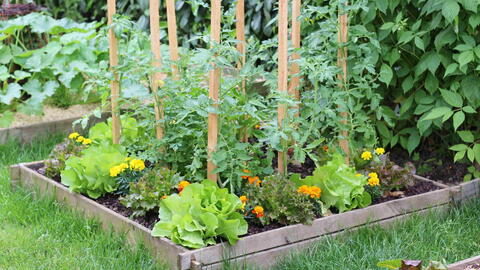
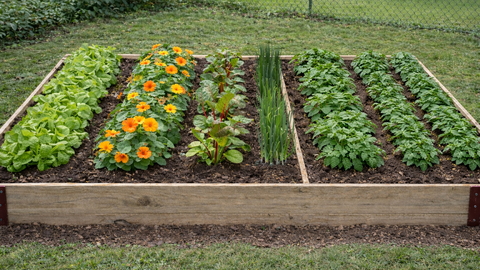
For best results, create raised beds or mounds to improve drainage, especially in heavy soils. Raised beds also warm up faster in spring, giving your plants a head start. If you’re new to raised beds, you can find helpful tips on starting a vegetable garden from scratch.
Planting Zucchini for Maximum Success
Direct sowing is the most common method for starting zucchini. Wait until after the last frost date and when soil temperatures reach at least 60°F (16°C). Plant seeds 1 inch deep, spacing them 2–3 feet apart in rows or hills. If you’re short on space, bush varieties can be planted closer together, while vining types need more room to sprawl.
For an earlier harvest, you can start seeds indoors 2–4 weeks before your last frost date. Transplant seedlings outdoors once the weather warms and all danger of frost has passed. Be gentle when transplanting to avoid disturbing the roots.
Watering and Feeding for Healthy Plants
Consistent moisture is essential for robust zucchini growth. Water deeply at the base of the plant, aiming for 1–2 inches per week, depending on weather and soil conditions. Avoid overhead watering to reduce the risk of leaf diseases. Using a soil moisture meter can help you monitor when it’s time to water, especially during hot spells.
Mulch around plants with straw, leaves, or grass clippings to retain moisture, suppress weeds, and keep the soil temperature stable. Feed your zucchini with a balanced fertilizer or compost tea every 3–4 weeks during the growing season to support continuous production.
Managing Pests and Diseases
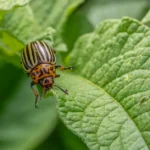
Common pests such as squash bugs, cucumber beetles, and vine borers can threaten your zucchini crop. Inspect plants regularly and hand-pick pests when possible. Floating row covers can protect young plants, but remove them when flowers appear to allow pollination.
To prevent diseases like powdery mildew and bacterial wilt, provide good air circulation by spacing plants adequately and watering at the soil level. Remove any infected leaves promptly and rotate crops each year to minimize disease buildup.
Supporting Pollination and Fruit Set
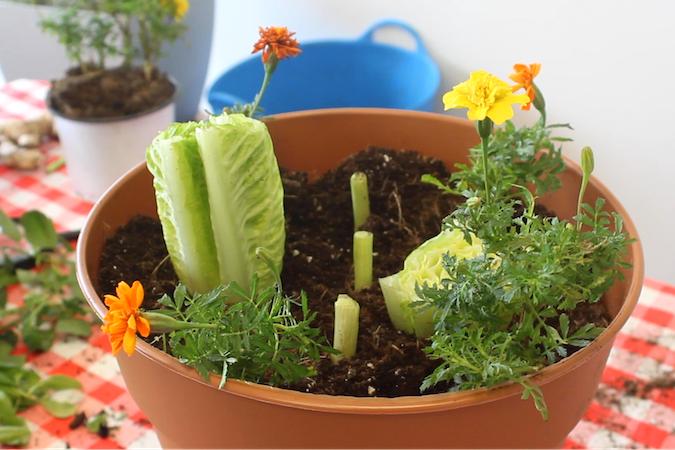
Zucchini plants produce both male and female flowers. Bees and other pollinators are essential for fruit development. If you notice flowers but no fruit, poor pollination may be the issue. Encourage pollinators by planting flowers nearby or hand-pollinate using a small brush to transfer pollen from male to female flowers.
Harvesting for the Best Yield
Pick zucchini when fruits are 6–8 inches long for the best flavor and texture. Harvesting regularly encourages the plant to produce more. Use a sharp knife or pruners to cut the stem cleanly, avoiding damage to the plant. Oversized fruits can become tough and reduce overall productivity.
Tips for Boosting Production
- Succession planting: Sow new seeds every 2–3 weeks for a continuous supply through the season.
- Remove old leaves: Trim back large, older leaves to improve airflow and light penetration.
- Monitor soil health: Test soil annually and amend as needed for optimal fertility.
- Practice crop rotation: Avoid planting zucchini or other squash family crops in the same spot each year.
Companion Planting and Garden Planning
Pairing zucchini with compatible crops can help deter pests and improve growth. Beans, peas, and radishes make good companions, while potatoes and other squash can compete for resources. Consider your overall garden layout to maximize space and minimize disease spread. For more ideas on maximizing your garden, check out guides like how to grow beans in small gardens for inspiration.
Storing and Using Your Zucchini Harvest
Freshly picked zucchini can be stored in the refrigerator for up to a week. For longer storage, slice and freeze, or try pickling and dehydrating. Zucchini is versatile in the kitchen—use it in stir-fries, baked goods, or even spiralized as a pasta substitute.
Frequently Asked Questions
How often should I water zucchini plants?
Water deeply once or twice a week, providing about 1–2 inches of water. Adjust frequency based on rainfall, temperature, and soil type. Using mulch and a soil moisture meter helps maintain consistent moisture.
Why are my zucchini flowers falling off without forming fruit?
This is often due to poor pollination. Zucchini plants produce male and female flowers, and both are needed for fruit set. Encourage pollinators or try hand-pollinating to improve results.
What causes yellow leaves on zucchini plants?
Yellowing leaves can result from overwatering, nutrient deficiencies, or disease. Check soil moisture, feed with a balanced fertilizer, and remove any diseased foliage promptly.