Cauliflower is a rewarding vegetable to grow in your own garden, offering crisp, nutritious heads that can be enjoyed in a variety of dishes. For those new to gardening, understanding how to grow cauliflower at home can seem daunting, but with the right approach and a bit of patience, you can harvest beautiful, healthy florets right from your backyard or patio. This guide covers everything you need to know, from choosing the right variety to harvesting your crop, so you can confidently cultivate cauliflower even as a beginner.
Before diving into the process, it’s helpful to explore other cool-season crops as well. If you’re interested in expanding your vegetable patch, check out this practical guide on how to grow cabbage step by step for more inspiration and tips.
Choosing the Right Cauliflower Variety for Your Garden
There are several types of cauliflower, each with unique characteristics. When planning your home garden, consider your local climate and available space. Popular varieties include:
- Snowball: A classic, compact white variety suitable for most climates.
- Cheddar: Known for its orange heads and high beta-carotene content.
- Graffiti: Features striking purple heads and a mild flavor.
- Romanesco: Recognized for its spiral, lime-green heads and nutty taste.
Choose a variety that matches your taste preferences and growing conditions. If you’re gardening in a small space or on a patio, look for compact or container-friendly types.
Preparing Soil and Containers for Cauliflower
Healthy soil is the foundation for growing robust cauliflower. This crop prefers rich, well-draining soil with a pH between 6.0 and 7.0. Before planting, mix in plenty of compost or well-rotted manure to boost fertility. If your soil is heavy or clay-like, consider using raised beds or large containers to improve drainage and root development.
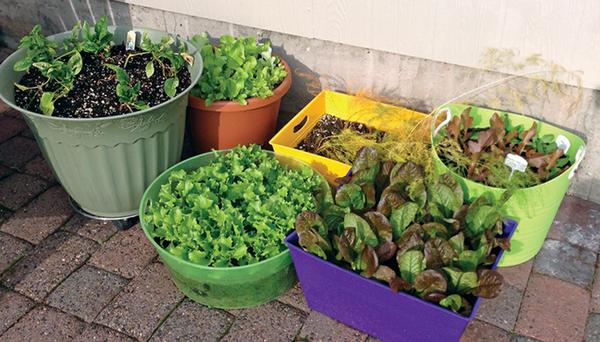
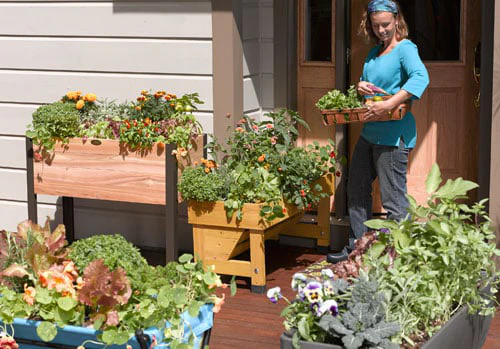
For those with limited space, using containers is a practical solution. Ensure your pots are at least 12 inches deep and wide, with good drainage holes. Raised beds are also ideal for maintaining consistent soil quality and moisture levels. For more container gardening tips, you can refer to resources like this comprehensive vegetable gardening guide.
Starting Cauliflower from Seed or Transplants
One of the first decisions is whether to start from seed or purchase young plants. Sowing seeds indoors 6–8 weeks before your last expected frost gives you a head start, especially in cooler climates. Use seed trays or small pots filled with seed-starting mix, and keep them in a bright, warm spot. Seeds typically germinate in 7–10 days at temperatures around 70°F (21°C).
If you prefer a simpler approach, buy healthy transplants from a nursery. Whether you start from seed or use transplants, harden off seedlings by gradually exposing them to outdoor conditions for a week before planting them in the garden.
Planting and Spacing for Healthy Growth
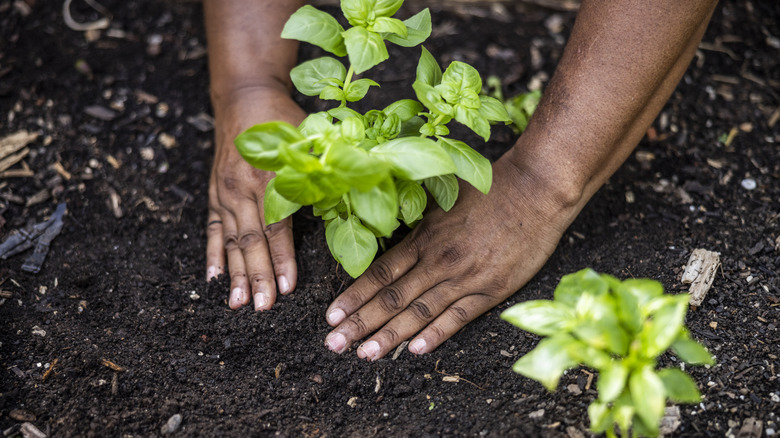
Proper spacing is crucial for cauliflower to develop full heads. Plant seedlings 18–24 inches apart in rows spaced 24–30 inches apart. This allows for good air circulation and reduces the risk of disease. Plant at the same depth as the seedlings were in their pots, and water thoroughly after planting.
For container gardening, plant one cauliflower per pot to ensure each plant has enough room to grow. Raised beds can accommodate more plants, but avoid overcrowding, as this can stunt growth and reduce yields.
Watering, Feeding, and Mulching Tips
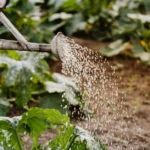
Consistent moisture is key for growing quality cauliflower. Water deeply once or twice a week, aiming to keep the soil evenly moist but not soggy. Using a soil moisture meter can help you avoid both overwatering and underwatering. Mulch around the plants with straw or shredded leaves to retain moisture, regulate soil temperature, and suppress weeds.
Feed your plants with a balanced vegetable fertilizer every 3–4 weeks. Cauliflower is a heavy feeder, so regular nutrition supports strong growth and head formation. Avoid high-nitrogen fertilizers, which can encourage leafy growth at the expense of the edible head.
Managing Pests and Common Problems
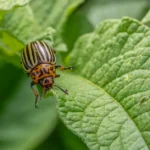
Homegrown cauliflower can attract pests such as cabbage worms, aphids, and flea beetles. Inspect your plants regularly for signs of damage. Handpick pests or use organic solutions like neem oil or insecticidal soap if needed. Floating row covers can also protect young plants from common insects.
Watch for signs of stress such as yellowing leaves, stunted growth, or heads that fail to form. These issues are often related to inconsistent watering, poor soil nutrition, or temperature fluctuations. Addressing these factors early helps ensure a successful harvest.
Blanching and Harvesting Your Cauliflower
As the heads begin to form, some varieties benefit from blanching to keep them white and tender. When the head is about 2–3 inches across, gently tie the outer leaves over the head using soft twine or a rubber band. This shields the developing curd from sunlight, preventing discoloration and bitterness. Not all varieties require blanching, so check your seed packet or plant label.
Harvest cauliflower when the heads are firm, compact, and reach 6–8 inches in diameter. Use a sharp knife to cut the head from the plant, leaving a few leaves attached to protect it. If you wait too long, the heads may separate and become grainy.
Storing and Enjoying Your Homegrown Cauliflower
Freshly harvested cauliflower can be stored in the refrigerator for up to a week. For longer storage, blanch and freeze florets for use in soups, stir-fries, or casseroles. Enjoy your harvest roasted, steamed, or even riced as a low-carb alternative to grains.
Growing cauliflower at home is a satisfying way to add fresh, healthy produce to your meals. With the right preparation and care, even novice gardeners can enjoy a bountiful crop.
Expanding Your Vegetable Garden
Once you’ve mastered cauliflower, consider branching out to other homegrown vegetables. You might be interested in learning how to grow chili peppers easily for a spicy addition to your garden, or explore how to grow garlic at home for a flavorful, low-maintenance crop. If space is limited, discover strategies for how to grow beans in small gardens to maximize your harvests.
Frequently Asked Questions
When is the best time to plant cauliflower?
Cauliflower grows best in cool weather. For spring harvests, start seeds indoors 6–8 weeks before the last frost and transplant outdoors 2–4 weeks before the last frost date. For fall crops, sow seeds in midsummer and transplant outdoors in late summer.
Why are my cauliflower heads small or not forming?
Small or missing heads often result from temperature stress, inconsistent watering, or poor soil nutrition. Ensure your plants receive regular moisture, are fed with balanced fertilizer, and are grown in cool conditions for optimal head development.
Can I grow cauliflower in containers?
Yes, cauliflower can be grown successfully in large pots or raised beds. Use containers at least 12 inches deep and wide, and plant one cauliflower per container. Ensure the soil is rich, well-draining, and kept consistently moist for best results.