Chili peppers are a rewarding addition to any home garden, offering vibrant colors, bold flavors, and a satisfying harvest. Whether you’re a beginner or an experienced gardener, learning how to grow chili peppers easily can help you enjoy a steady supply of fresh, spicy pods throughout the season. This guide covers everything you need to know, from choosing seeds to harvesting ripe peppers, so you can confidently nurture your own chili plants at home.
Before diving into the steps, it’s helpful to understand that chili peppers thrive in warm, sunny conditions and benefit from well-drained soil. With the right preparation and care, even small spaces or containers can yield impressive results. If you’re interested in expanding your gardening skills, you might also want to explore how to grow garlic at home for a complementary crop.

Choosing the Right Chili Pepper Varieties
There are countless types of chili peppers, ranging from sweet and mild to intensely hot. When deciding which to grow, consider your taste preferences, local climate, and available space. Popular varieties for home gardens include:
- Jalapeño: Mild to medium heat, great for salsas and pickling.
- Cayenne: Thin, hot peppers ideal for drying and making powder.
- Habanero: Very hot, with a fruity flavor, best for those who love spice.
- Bell peppers: Technically a sweet chili, perfect for those who prefer no heat.
Check seed packets for information on heat level, days to maturity, and recommended growing conditions. If you’re new to gardening, start with varieties known for being productive and disease-resistant.
Starting Chili Seeds Indoors
For the best results, begin your chili pepper journey by sowing seeds indoors 8–10 weeks before the last expected frost. This gives the plants a head start and increases your chances of a bountiful harvest. Follow these steps:
- Fill seed trays or small pots with a quality seed-starting mix. Moisten the soil before planting.
- Sow seeds about 1/4 inch deep. Cover lightly with soil and mist with water.
- Provide warmth: Chili seeds germinate best at 75–85°F (24–29°C). Use a heat mat if needed.
- Ensure light: Place trays in a bright window or under grow lights for 14–16 hours daily.
- Keep soil moist but not soggy. Germination typically takes 7–14 days.
Once seedlings develop their first true leaves, transplant them into slightly larger pots. Harden off the young plants by gradually exposing them to outdoor conditions over a week before planting outside.
Transplanting Seedlings and Preparing the Garden Bed
Once the danger of frost has passed and nighttime temperatures stay above 55°F (13°C), it’s time to move your chili plants outdoors. Choose a sunny spot that receives at least 6–8 hours of direct sunlight daily. For those with limited space, containers or raised beds work well. If you need tips on setting up a new garden area, check out this beginner’s guide to creating a vegetable garden.
Prepare the soil by mixing in compost or well-rotted manure to improve fertility and drainage. Chili peppers prefer slightly acidic to neutral soil (pH 6.0–7.0). Space plants 18–24 inches apart to allow for good air circulation and growth.
When transplanting, handle seedlings gently and plant them at the same depth as in their pots. Water thoroughly after planting to help roots settle in.
Essential Care for Thriving Chili Plants
Consistent care is key to growing healthy, productive chili peppers. Here are the main tasks to focus on:
- Watering: Keep soil evenly moist, especially during flowering and fruiting. Avoid waterlogged conditions, as peppers dislike soggy roots. Using a soil moisture meter can help you avoid over- or under-watering.
- Mulching: Apply a layer of mulch to retain moisture, suppress weeds, and regulate soil temperature.
- Feeding: Fertilize with a balanced, slow-release fertilizer or a tomato feed every 3–4 weeks. Too much nitrogen can lead to lush foliage but fewer fruits, so follow label instructions.
- Staking: Some varieties benefit from support to keep branches upright, especially when loaded with fruit.
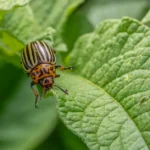
- Pest and disease management: Watch for aphids, spider mites, and fungal issues. Remove affected leaves and use organic controls if needed.
For gardeners interested in maximizing their harvest, companion planting can be beneficial. You might find the companion planting chart for vegetables helpful for planning your garden layout.
Harvesting and Storing Your Chili Peppers
Chili peppers are ready to pick when they reach their mature color—usually red, yellow, orange, or purple, depending on the variety. Most peppers can be harvested green for a milder flavor or left to ripen fully for maximum heat and sweetness. Use scissors or pruners to snip fruits from the plant, leaving a short stem attached to avoid damaging the branches.
Regular harvesting encourages more fruit production. Store fresh peppers in the refrigerator for up to two weeks, or preserve your bounty by drying, freezing, or pickling. Dried chilies can be ground into powder for year-round use.
Tips for Growing Chili Peppers with Ease
To make the process even simpler, consider these additional suggestions:
- Grow peppers in containers if garden space is limited. Choose pots at least 12 inches deep with drainage holes.
- Use a soil moisture meter to prevent overwatering, especially in pots.
- Rotate crops each year to reduce the risk of soil-borne diseases.
- Try growing herbs and vegetables together for a productive and attractive garden. For inspiration, see how to grow herbs and vegetables together.
- Start with easy, reliable varieties if you’re new to growing peppers.
With these strategies, cultivating chili peppers becomes a straightforward and enjoyable task, even for beginners.
Frequently Asked Questions
How long does it take for chili peppers to grow from seed to harvest?
Most chili pepper varieties take between 60 and 120 days from sowing to harvest, depending on the type and growing conditions. Starting seeds indoors and providing consistent warmth and light can help speed up the process.
Can chili peppers be grown indoors?
Yes, many chili varieties adapt well to indoor gardening, especially in bright, sunny windows or under grow lights. For more tips, see the best vegetables for indoor gardening guide.
What are common problems when growing chili peppers?
Common issues include poor fruit set due to low temperatures, overwatering leading to root rot, and pest infestations such as aphids or spider mites. Ensuring proper care and monitoring plants regularly helps prevent most problems.
Do chili peppers need pollination?
Chili peppers are self-pollinating, but gentle shaking of the plants or providing access to pollinators can improve fruit set, especially in greenhouses or indoor environments.
By following these steps and tips, anyone can enjoy a successful chili pepper harvest with minimal hassle. For more gardening inspiration, explore resources like the best companion plants for tomatoes or browse a companion planting chart for vegetables to plan your next growing season.