Growing your own vegetables indoors is a practical way to enjoy fresh, homegrown produce year-round, no matter your climate or available outdoor space. With the right approach, you can cultivate a productive indoor garden on a windowsill, balcony, or even in a small apartment. This guide highlights the best vegetables for indoor gardening, offering tips on varieties, care, and setup so you can successfully harvest food from the comfort of your home.
Whether you’re a beginner or looking to expand your indoor growing skills, understanding which crops thrive inside is essential. We’ll cover easy-to-grow options, container recommendations, and essential care tips. For those interested in combining herbs and veggies, check out these tips on how to grow herbs and vegetables together for even more inspiration.
Why Grow Vegetables Indoors?
Indoor gardening offers several advantages. It allows you to control environmental factors, reduce pest problems, and enjoy fresh produce regardless of the season. For urban dwellers or those with limited outdoor space, growing food indoors is a sustainable and rewarding solution. With the right selection of vegetables suited for indoor growing, you can enjoy a steady supply of greens, roots, and even fruiting crops.
Top Choices for Indoor Vegetable Gardens
Not all vegetables adapt well to indoor conditions, but many thrive with adequate light, proper containers, and regular care. Here are some of the most reliable and productive options:
Leafy Greens: Spinach, Lettuce, and Kale
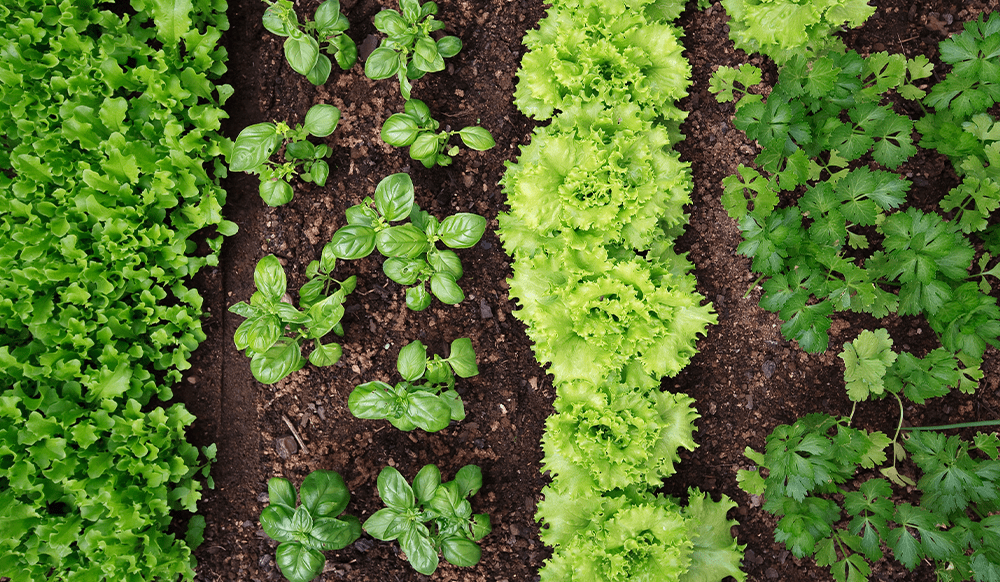
Leafy greens are among the best vegetables for indoor gardening due to their compact growth and quick harvest cycles. Varieties like baby spinach, loose-leaf lettuce, and dwarf kale require minimal space and can be grown in shallow containers. For more detailed advice, see this guide on how to grow spinach in pots.
- Spinach: Prefers cooler temperatures and indirect light. Harvest leaves as needed for a continuous supply.
- Lettuce: Choose loose-leaf or butterhead types for best results indoors.
- Kale: Dwarf varieties like ‘Dwarf Blue Curled’ are ideal for pots and windowsills.
Root Vegetables: Radishes and Carrots
Root crops can be grown indoors if you select compact or round varieties and use deep enough containers. They’re a great way to diversify your indoor harvest.
- Radishes: Grow quickly and require little space. Look for fast-maturing types like ‘Cherry Belle’.
- Carrots: Choose short or round cultivars such as ‘Paris Market’ or ‘Thumbelina’ for best results in pots.
Herbs: Basil, Parsley, and Chives
While technically not vegetables, herbs like basil, parsley, and chives are essential for indoor gardens. They’re easy to grow, require little maintenance, and add flavor to your meals. For more on combining herbs with veggies, see the guide to growing herbs and vegetables together.
Compact Fruiting Vegetables: Peppers and Tomatoes
Some fruiting crops can be grown indoors if you provide enough light and warmth. Look for dwarf or patio varieties bred for containers.
- Peppers: Small chili and sweet pepper plants do well on sunny windowsills.
- Tomatoes: Choose determinate or bush types like ‘Tiny Tim’ or ‘Balcony’ for compact growth. For more on maximizing tomato yields, explore the best companion plants for tomatoes.
Key Tips for Growing Vegetables Indoors
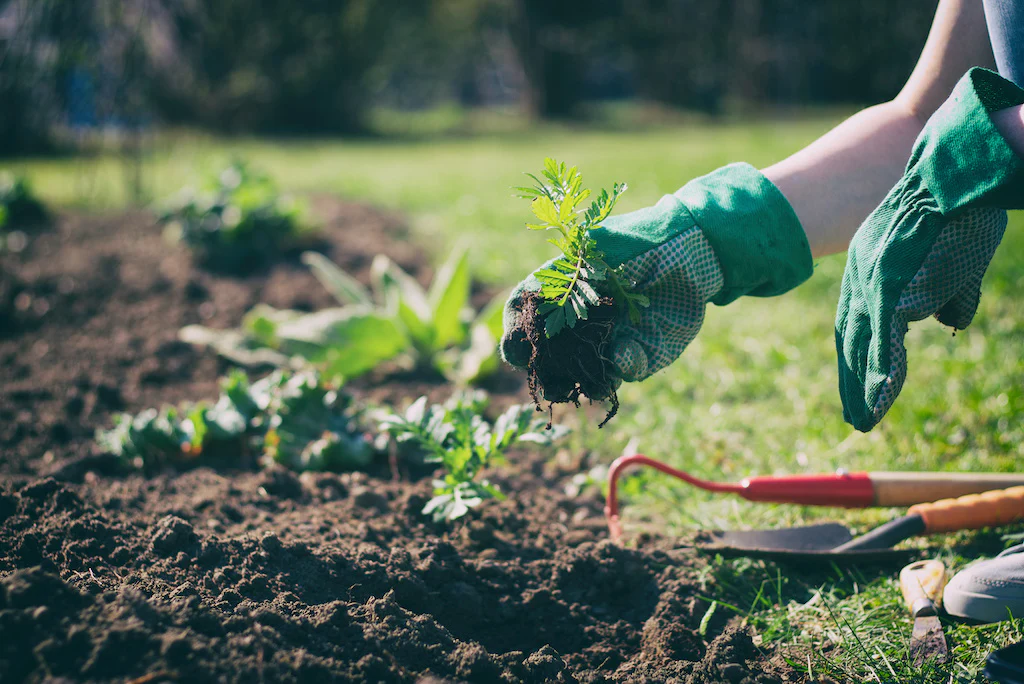
Success with indoor gardening depends on a few important factors. Here’s how to set yourself up for a productive harvest:
- Light: Most vegetables need 6–8 hours of bright light daily. Place containers near south-facing windows or supplement with grow lights if natural light is limited.
- Containers: Use pots with drainage holes. Raised beds or deep planters are ideal for root crops.
- Soil: Choose a high-quality potting mix designed for vegetables. Avoid using garden soil indoors, as it may contain pests or diseases.
- Watering: Keep soil consistently moist but not soggy. A soil moisture meter can help prevent over- or under-watering.
- Fertilizer: Indoor plants benefit from regular feeding with a balanced, water-soluble fertilizer.
- Air Circulation: Good airflow helps prevent fungal issues. Avoid crowding plants together.
Maximizing Yields in Small Spaces
Even with limited space, you can boost productivity by using vertical gardening techniques, staggered planting, and companion planting. For a comprehensive overview, consult the companion planting chart for vegetables to see which crops grow well together indoors.
Consider using shelves, hanging planters, or stackable containers to make the most of your available area. Regularly harvest leafy greens and herbs to encourage continuous growth and prevent overcrowding.
Common Challenges and How to Overcome Them
Indoor gardening isn’t without its hurdles. Here are some typical issues and solutions:
- Insufficient Light: If plants appear leggy or pale, supplement with LED grow lights.
- Pest Problems: Indoor gardens are less prone to pests, but aphids and fungus gnats can still appear. Inspect plants regularly and use insecticidal soap if needed.
- Humidity: Dry indoor air can stress plants. Increase humidity with a tray of water, misting, or a small humidifier.
- Slow Growth: Ensure plants have enough nutrients and are not root-bound. Repot if necessary.
Getting Started: Simple Steps for Beginners
If you’re new to indoor gardening, start small. Choose one or two easy crops, such as lettuce or radishes, and gradually expand as you gain confidence. Use quality containers and soil, place your plants in a bright spot, and keep a consistent watering schedule. For more detailed beginner advice, explore this step-by-step guide to starting a vegetable garden.
Frequently Asked Questions
What are the easiest vegetables to grow indoors?
Leafy greens like lettuce, spinach, and kale are the simplest to start with. Radishes and herbs such as basil and chives also adapt well to indoor conditions and require minimal care.
How much light do indoor vegetables need?
Most indoor crops need 6–8 hours of direct or very bright light per day. If natural sunlight is insufficient, use grow lights to ensure healthy growth and good yields.
Can I grow root vegetables like carrots indoors?
Yes, but choose short or round varieties and use deep containers with loose, well-draining soil. Consistent moisture and adequate light are key to success with indoor root crops.
How do I prevent pests in my indoor vegetable garden?
Inspect your plants regularly for signs of pests. Keep your growing area clean, avoid overwatering, and use insecticidal soap or neem oil if you notice any infestations.
With the right planning and care, you can enjoy a productive indoor vegetable garden in any home. Experiment with different crops, monitor your plants’ needs, and enjoy the satisfaction of harvesting fresh produce year-round.