Combining herbs and vegetables in the same garden bed is a rewarding way to maximize space, boost plant health, and enjoy a more diverse harvest. Whether you have a sprawling backyard or a compact patio, learning how to grow herbs and vegetables together can lead to healthier crops and a more vibrant garden. This approach, often called companion planting, leverages the natural relationships between different plants to improve growth, deter pests, and make the most of your gardening efforts.
Before diving into the practical steps, it’s helpful to understand which combinations work best and how to set up your garden for success. If you’re interested in growing specific crops in containers, you might also want to check out guides like how to grow spinach in pots for more tailored advice.
Benefits of Companion Planting with Herbs and Vegetables
Pairing herbs and vegetables in the same plot offers several key advantages:
- Pest control: Many herbs, such as basil and marigold, naturally repel insects that commonly attack vegetable crops.
- Improved flavor: Some gardeners believe that growing certain herbs near vegetables can enhance the taste of both.
- Efficient use of space: Mixing plants with different growth habits—like tall tomatoes and low-growing thyme—helps fill gaps and reduce weeds.
- Healthier soil: Diverse root systems and nutrient needs can help maintain soil balance and reduce disease risk.
Choosing the Right Combinations for Your Garden
Not all herbs and vegetables thrive together, so it’s important to select compatible pairs. Here are some classic combinations that work well:
- Basil and tomatoes: Basil can help repel tomato hornworms and may improve tomato flavor.
- Carrots and chives: Chives deter carrot flies and can be tucked between carrot rows.
- Cabbage and dill: Dill attracts beneficial insects that prey on cabbage pests.
- Peppers and oregano: Oregano’s strong scent helps keep aphids and spider mites at bay.
- Lettuce and cilantro: Both enjoy cooler weather and can be grown together in spring or fall.
For more ideas on maximizing small spaces, see these vertical gardening ideas for vegetables.
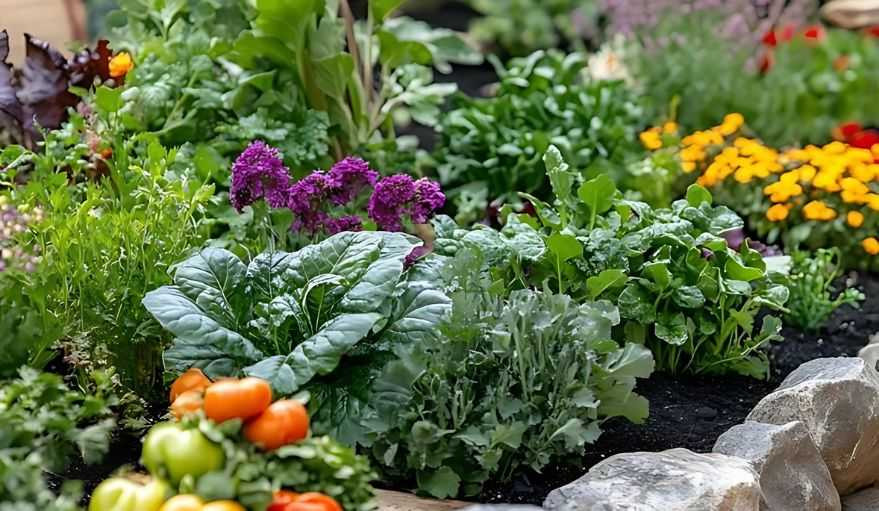
Preparing Your Garden Bed for Mixed Planting
Setting up your garden correctly is crucial for success. Here’s how to get started:
- Choose a sunny location: Most herbs and vegetables require at least 6 hours of sunlight daily.
- Test and amend your soil: Use a soil moisture meter to check for drainage and moisture levels. Amend with compost to provide nutrients.
- Plan your layout: Place taller plants, like tomatoes or peppers, at the north end of the bed so they don’t shade out smaller herbs.
- Allow for airflow: Space plants according to their mature size to reduce disease risk and ensure each receives enough light.
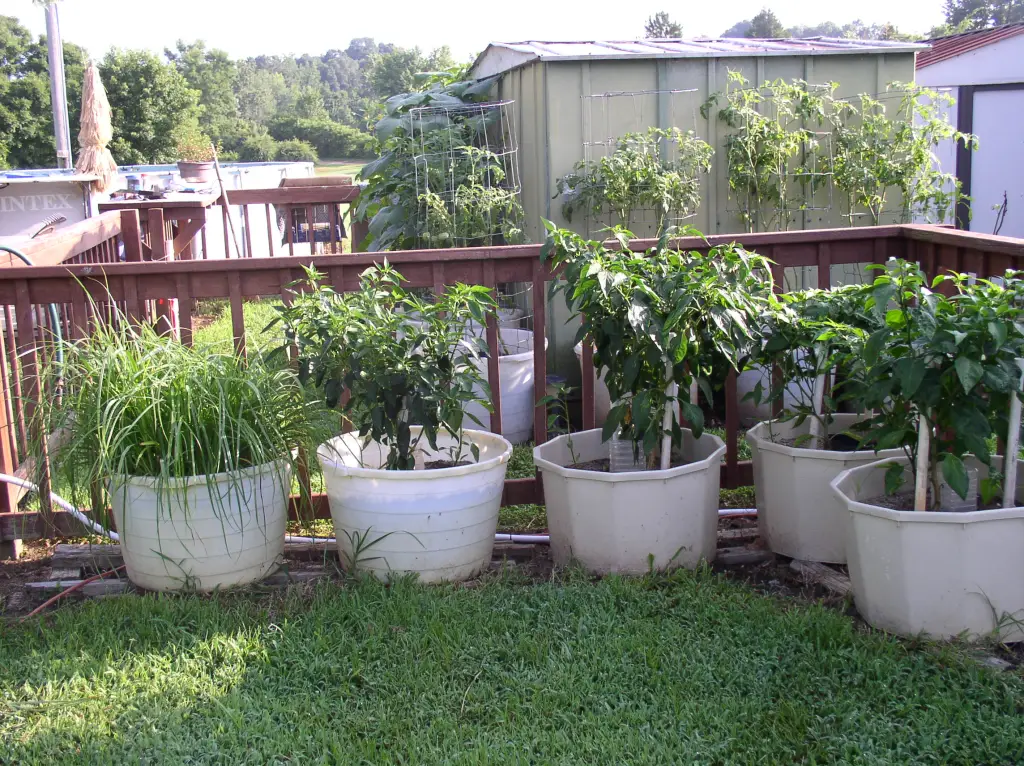
- Consider raised beds or containers: These can simplify soil management and make it easier to control water and nutrients.
If you’re new to gardening, the vegetable gardening for beginners guide offers more foundational tips.
Planting and Caring for Herbs with Vegetables
Once your bed is prepared, it’s time to plant. Here are some best practices for growing herbs and vegetables side by side:
- Stagger planting times: Some herbs, like cilantro, bolt quickly in heat, so plant them early or late in the season alongside cool-weather crops.
- Interplant for pest control: Tuck basil, marigold, or nasturtium among vegetable rows to deter pests naturally.
- Monitor water needs: While most herbs and vegetables enjoy consistent moisture, Mediterranean herbs (rosemary, thyme, oregano) prefer drier soil. Group plants with similar water requirements together.
- Harvest regularly: Picking herbs often encourages bushier growth and prevents them from overshadowing nearby vegetables.
- Rotate crops annually: Changing plant locations each year helps prevent soil-borne diseases and nutrient depletion.
For those interested in maximizing yield throughout the year, see tips on how to grow lettuce year round.
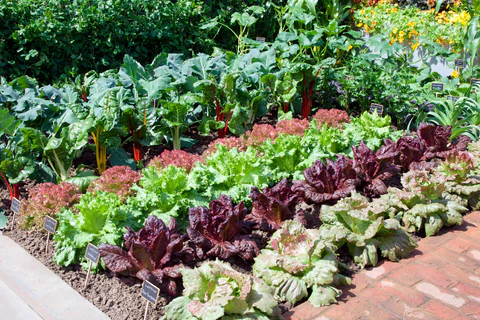
Common Mistakes to Avoid When Mixing Herbs and Vegetables
Even experienced gardeners can run into challenges when combining different plant types. Here are some pitfalls to watch out for:
- Overcrowding: Planting too densely can lead to poor airflow, increased disease, and stunted growth.
- Ignoring water needs: Grouping herbs that prefer dry soil with thirsty vegetables can cause one or both to struggle.
- Mixing incompatible plants: Some herbs, like fennel, can inhibit the growth of nearby vegetables. Research combinations before planting.
- Neglecting crop rotation: Planting the same crops in the same spot year after year can deplete soil nutrients and encourage pests.
If you’re interested in growing specific vegetables indoors, such as peppers, check out how to grow peppers indoors for more targeted advice.
Maintaining a Healthy Mixed Garden
Ongoing care is essential for a thriving garden that combines herbs and vegetables. Here are some maintenance tips:
- Mulch generously: Mulching helps retain moisture, suppress weeds, and regulate soil temperature.
- Monitor for pests: Regularly inspect plants for signs of damage. Use organic controls or hand-pick pests when possible.
- Feed appropriately: Apply a balanced, organic fertilizer as needed, but avoid over-fertilizing herbs, which can reduce their flavor.
- Prune and thin: Remove overcrowded or diseased plants promptly to keep the garden healthy.
Frequently Asked Questions
Can I plant all herbs and vegetables together in the same bed?
Not every herb and vegetable is compatible. Some, like fennel and mint, can be invasive or inhibit the growth of certain vegetables. Always check compatibility before planting and consider using containers for aggressive herbs.
What are the best herbs to grow with tomatoes?
Basil, parsley, and chives are excellent companions for tomatoes. They can help repel pests and may enhance the flavor of your tomato crop.
How do I organize my garden for mixed planting?
Group plants with similar sunlight and water needs together. Place taller vegetables at the north end of the bed to prevent shading smaller herbs. Use succession planting to keep the garden productive throughout the season.
Where can I learn more about starting a vegetable garden?
For a comprehensive introduction, visit the vegetable gardening for beginners guide for step-by-step advice and planning tips.