Growing peppers inside your home is a rewarding way to enjoy fresh, flavorful chilis year-round. Whether you’re a beginner or an experienced gardener, cultivating these vibrant plants indoors offers control over growing conditions and protection from outdoor pests. With the right setup, you can harvest everything from sweet bell peppers to fiery hot varieties, even without a backyard or garden plot.
This guide covers the essential steps for how to grow peppers indoors, including choosing the best varieties, setting up your indoor garden, and troubleshooting common issues. If you’re interested in expanding your homegrown produce, you might also want to explore how to grow leafy greens at home for a complete indoor harvest.
Choosing the Right Pepper Varieties for Indoor Growing
Not all peppers thrive equally well inside. Compact, early-maturing types are often best suited for containers and limited indoor space. Here are some popular choices:
- Mini bell peppers: Small-fruited and productive, these are perfect for windowsills or shelves.
- Cayenne and Thai chilis: Hot varieties that grow well in pots and mature quickly.
- Jalapeños: Medium heat and reliable yields indoors.
- Ornamental peppers: Add color and spice, and many are edible.
Look for seeds or starter plants labeled as “compact,” “patio,” or “container” varieties for the best results indoors.
Setting Up Your Indoor Pepper Garden
Creating the right environment is crucial for growing peppers inside. Peppers need warmth, light, and good airflow to thrive. Here’s how to get started:
Containers and Soil
Choose pots that are at least 8–10 inches deep with drainage holes. Use a high-quality, well-draining potting mix formulated for vegetables. Avoid using garden soil, as it can compact and harbor pests indoors.
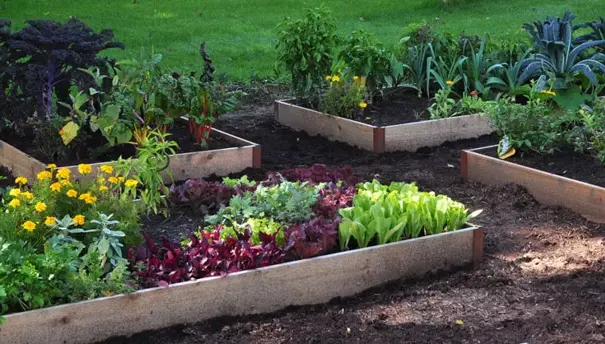
Raised planters can also be used if you have space. For DIY options, see this helpful resource on how to build a raised garden bed.
Lighting Requirements
Peppers require at least 12–16 hours of bright light daily. A sunny south-facing window may be sufficient for some varieties, but most indoor gardeners use grow lights for consistent results. LED or fluorescent grow lights placed 6–12 inches above the plants work well.
Rotate your pots every few days to ensure even growth and prevent plants from leaning toward the light source.
Temperature and Humidity
Peppers prefer daytime temperatures between 70–80°F (21–27°C) and nighttime temperatures above 60°F (16°C). Avoid placing plants near cold drafts or heat sources. Humidity should be moderate; if your home is dry, consider using a humidity tray or misting the plants occasionally.

Planting and Caring for Indoor Peppers
Once your setup is ready, it’s time to plant. Here’s a step-by-step overview:
- Sow seeds 1/4 inch deep in moist potting mix. Cover lightly and keep warm (75–85°F/24–29°C) until germination, which usually takes 7–14 days.
- After seedlings develop two sets of true leaves, transplant them into their final containers.
- Water when the top inch of soil feels dry. Peppers dislike soggy roots, so ensure pots drain well. A soil moisture meter can help prevent over- or under-watering.
- Feed with a balanced liquid fertilizer every 2–4 weeks once plants are established and actively growing.
- Support taller varieties with small stakes or cages if needed.
Regularly check for pests such as aphids or spider mites, which can be managed with insecticidal soap or by rinsing leaves under water.
Pollination and Fruit Set Indoors
Unlike outdoor gardens, indoor peppers may need help with pollination. Gently shake the plants or use a small paintbrush to transfer pollen between flowers. This encourages fruit development and maximizes your harvest.
Keep the air moving with a small fan to help with pollination and reduce disease risk.

Troubleshooting Common Indoor Pepper Problems
Even with careful attention, issues can arise. Here are some frequent challenges and solutions:
- Leggy seedlings: Insufficient light. Move plants closer to grow lights or increase light duration.
- Yellowing leaves: Overwatering or nutrient deficiency. Allow soil to dry slightly between waterings and fertilize regularly.
- No fruit set: Poor pollination or low temperatures. Hand-pollinate flowers and ensure temperatures remain above 60°F (16°C).
- Pest infestations: Isolate affected plants and treat promptly with safe, indoor-appropriate methods.
For more tips on maximizing your indoor harvest, check out advice on the best ways to start a vegetable garden indoors.
Harvesting and Enjoying Your Indoor Chilis
Most peppers are ready to pick when they reach their mature size and color. Use scissors or pruners to avoid damaging the plant. Regular harvesting encourages more fruit production. Enjoy your homegrown chilis fresh, dried, or preserved for later use.
If you’re interested in growing other crops in containers or raised beds, you might also enjoy reading about the best vegetables for raised beds to diversify your indoor garden.
Frequently Asked Questions
Can I grow peppers indoors year-round?
Yes, with adequate light and warmth, peppers can be cultivated indoors throughout the year. Supplemental grow lights are especially helpful during winter months or in low-light homes.
How long does it take for indoor peppers to produce fruit?
Most varieties begin to flower and set fruit 60–90 days after planting seeds. Smaller, early-maturing types may produce sooner, while larger varieties can take a bit longer.
What is the best way to water indoor pepper plants?
Water when the top inch of soil is dry to the touch. Avoid letting pots sit in excess water, as this can cause root rot. Using a moisture meter helps maintain the right balance.
Do I need to fertilize peppers grown inside?
Yes, regular feeding with a balanced liquid fertilizer supports healthy growth and fruiting. Start fertilizing after seedlings are established and continue every 2–4 weeks.
Conclusion
With the right preparation and care, cultivating peppers inside your home is both practical and productive. By selecting suitable varieties, providing adequate light, and maintaining proper watering and feeding routines, you can enjoy a steady supply of fresh chilis no matter the season. For those looking to rotate crops or improve soil health, consider reading about how to rotate crops in a garden for additional tips on sustainable indoor gardening.