Enjoying crisp, fresh lettuce from your own garden is possible in every season with the right approach. Whether you’re a beginner or an experienced gardener, learning how to grow lettuce year round can transform your salad bowl and boost your self-sufficiency. This guide covers the essential steps, tools, and strategies for maintaining a steady supply of leafy greens, no matter the weather.
With careful planning, the right varieties, and a few proven techniques, you can keep your garden productive and your kitchen stocked with homegrown lettuce. Early in your journey, consider exploring how to grow leafy greens at home for broader tips that complement year-round lettuce cultivation.
Choosing the Right Lettuce Varieties for All Seasons
Not all lettuces are created equal when it comes to year-round production. Some types thrive in cool weather, while others tolerate heat or resist bolting (premature flowering). For a continuous harvest, select a mix of varieties:
- Loose-leaf types (like Black Seeded Simpson or Red Sails) are fast-growing and can be harvested leaf by leaf.
- Romaine and butterhead lettuces offer excellent flavor and moderate heat tolerance.
- Batavia and summer crisp varieties are more resistant to bolting in warm weather.
- For winter, look for cold-hardy types such as Winter Density or Arctic King.
By mixing these, you can adapt to changing temperatures and extend your growing season.
Best Growing Methods for Continuous Lettuce Production
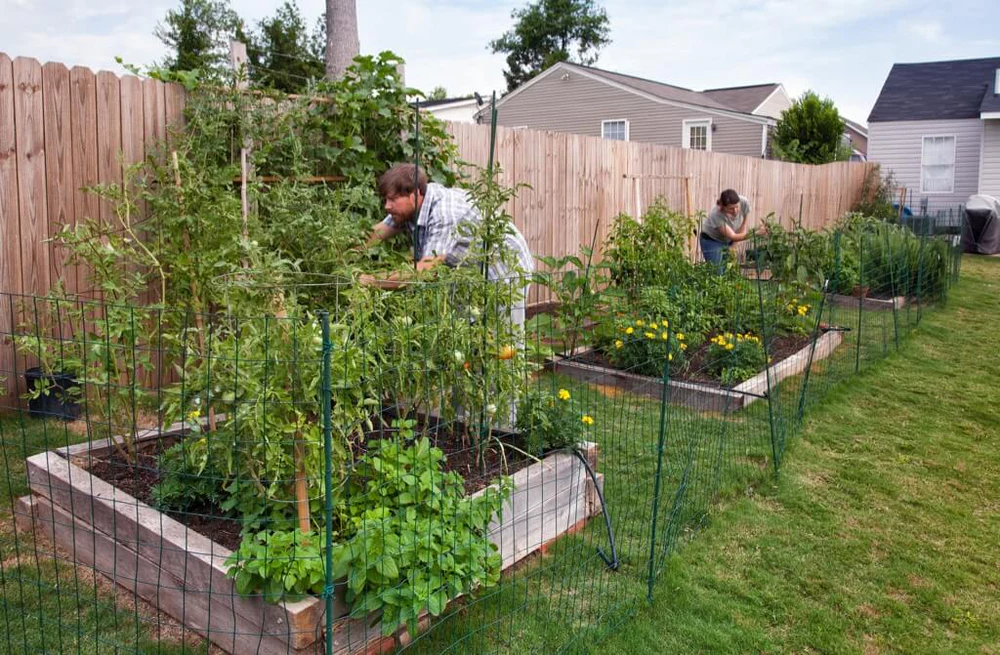
To master how to grow lettuce year round, consider your growing space and climate. Raised beds, containers, and even vertical gardens can all be effective. Raised beds are especially useful for controlling soil quality and drainage, while containers allow you to move plants to protected spots as needed. For those with limited space, vertical gardening ideas for vegetables can help maximize your harvest.
Soil Preparation and Fertility for Year-Round Lettuce
Lettuce prefers loose, well-draining soil rich in organic matter. Before planting, amend your beds or containers with compost or aged manure. Aim for a soil pH between 6.0 and 7.0. Regularly adding organic material keeps the soil fertile and supports healthy root growth.
To maintain continuous productivity, practice crop rotation and avoid planting lettuce in the same spot season after season. For more on this, see how to rotate crops in a garden for better soil health.
Timing and Succession Planting for a Steady Harvest
One of the most effective ways to ensure a constant supply is through succession planting. Instead of sowing all your seeds at once, plant small batches every 2–3 weeks. This approach means you’ll always have young, tender leaves ready to pick as older plants mature or bolt.
Start seeds indoors in late winter for early spring harvests. In summer, sow heat-tolerant varieties in partial shade. As fall approaches, switch to cold-hardy types and use row covers or cold frames to extend the season. In mild climates, you can grow outdoors nearly all year; in colder areas, use greenhouses or indoor setups with grow lights.
Watering and Moisture Management
Lettuce has shallow roots and needs consistent moisture for the best flavor and texture. Water regularly, aiming to keep the soil evenly moist but not waterlogged. Drip irrigation or soaker hoses are ideal for minimizing leaf wetness and reducing disease risk.
During hot spells, mulch with straw or shredded leaves to retain moisture and keep roots cool. A soil moisture meter can help you avoid both over- and under-watering, ensuring optimal growth.
Pest and Disease Prevention
Common pests include aphids, slugs, and snails. Check plants frequently and remove pests by hand or use organic controls like neem oil or diatomaceous earth. Floating row covers can protect seedlings from insects and birds.
To prevent diseases such as downy mildew or rot, provide good air circulation and avoid overhead watering. Rotate crops and clean up plant debris at the end of each season.
Harvesting Techniques for Ongoing Production
For a continuous harvest, use the “cut and come again” method: snip outer leaves as needed, leaving the center of the plant to regrow. This works well for loose-leaf and romaine types. For head lettuces, harvest the whole plant when mature, then replant the space with new seedlings.
Regular picking encourages new growth and helps prevent bolting, especially in warm weather. Always harvest in the cool of the morning for the crispest leaves.

Season Extension Tools and Techniques
To keep lettuce growing through temperature extremes, use season extension tools like:
- Row covers to shield plants from frost and pests.
- Cold frames or mini greenhouses for winter protection.
- Shade cloth to reduce heat stress in summer.
- Indoor setups with grow lights for winter greens.
Combining these methods with the right varieties allows for nearly uninterrupted lettuce production.
Companion Planting and Raised Bed Strategies
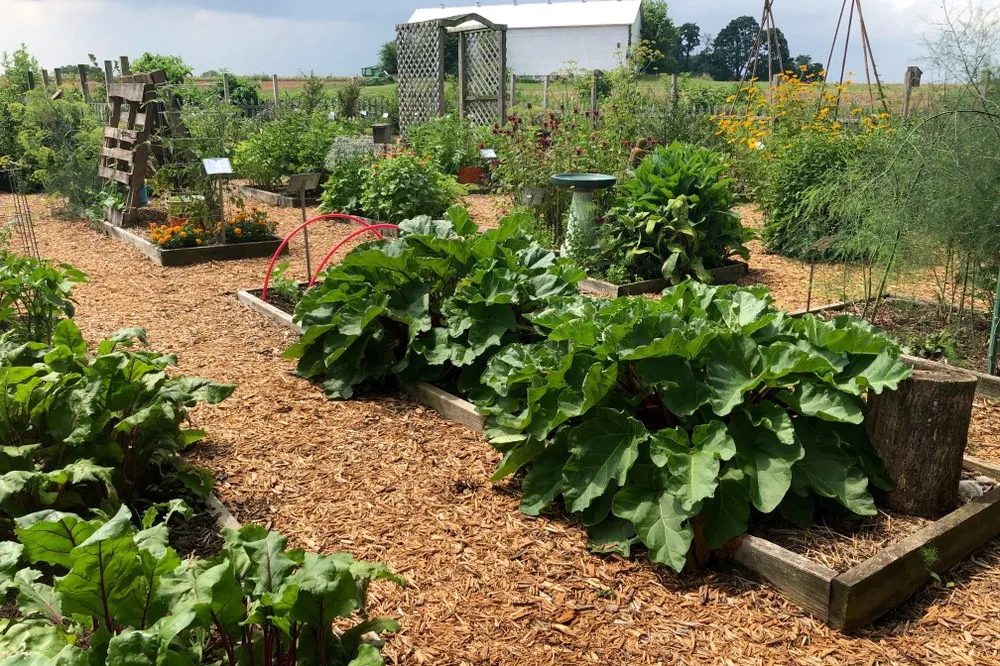
Lettuce grows well with carrots, radishes, and onions, which can help deter pests and maximize space. Raised beds offer excellent drainage and make it easy to control soil quality. For more inspiration, check out best vegetables for raised beds to plan a productive garden layout.
If you’re building new beds, see how to build a raised garden bed for a step-by-step guide.
Expert Tips for Success with Year-Round Lettuce
- Stagger plantings and use a mix of varieties for resilience.
- Keep soil consistently moist and well-fed with compost.
- Use mulch and shade to moderate temperature swings.
- Monitor for pests and diseases, acting quickly if problems arise.
- Harvest frequently to encourage new growth.
For those just starting out, resources like this beginner’s guide to starting a small vegetable garden can provide additional practical advice.
Frequently Asked Questions
What is the best lettuce variety for hot weather?
Summer crisp, Batavia, and certain romaine types are more heat-tolerant and less likely to bolt in warm conditions. Look for varieties labeled as slow to bolt for summer growing.
How often should I water lettuce for continuous harvest?
Lettuce prefers consistently moist soil. Water deeply whenever the top inch of soil feels dry, but avoid waterlogging. Using mulch and a soil moisture meter can help maintain the right balance.
Can I grow lettuce indoors during winter?
Yes, lettuce can be grown indoors under grow lights or in a sunny window. Choose compact varieties and provide 12–16 hours of light daily for best results.
How do I prevent lettuce from becoming bitter?
Bitter leaves are often a result of heat stress or irregular watering. Grow heat-tolerant varieties in summer, provide partial shade, and keep soil consistently moist to maintain sweet, tender leaves.
With these techniques and a little planning, you can enjoy fresh, homegrown lettuce in every season. Experiment with different varieties, growing methods, and timing to find what works best for your climate and space. Your salad bowl—and your health—will thank you.