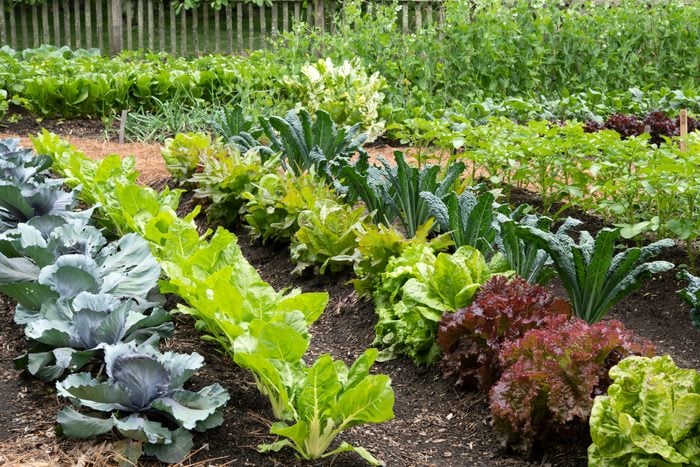
Planning a thriving vegetable garden means more than just picking your favorite crops. Understanding what vegetables grow well together can help you maximize yields, reduce pest problems, and make the most of your space. This approach, often called companion planting, involves grouping crops that support each other’s growth, deter pests, or improve soil health. Whether you’re a beginner or an experienced gardener, knowing which vegetables are compatible can make a significant difference in your harvest.
In this guide, you’ll discover the basics of vegetable compatibility, practical examples of successful pairings, and tips for creating a productive garden layout. If you’re interested in combining herbs with your vegetables, check out how to grow herbs and vegetables together for more planting tips.
Understanding Vegetable Compatibility
Companion planting is based on the idea that certain plants benefit each other when grown in close proximity. Some vegetables provide shade, others repel pests, and some even improve soil nutrients for their neighbors. By learning which vegetables are compatible, you can create a healthier, more resilient garden ecosystem.
Common benefits of pairing the right crops include:
- Natural pest control and reduced need for pesticides
- Improved pollination and higher yields
- Efficient use of space, sunlight, and water
- Healthier soil through nutrient sharing and reduced disease spread
For a comprehensive overview, the companion planting chart for vegetables provides a handy reference for planning your garden beds.
Classic Vegetable Pairings That Work
Some vegetable combinations have stood the test of time due to their proven benefits. Here are a few classic examples of vegetables that grow well together:
- Tomatoes and Basil: Basil helps repel tomato hornworms and can enhance tomato flavor. For more details, see the best companion plants for tomatoes.
- Carrots and Onions: Onions deter carrot flies, while carrots help break up the soil for onions.
- Corn, Beans, and Squash (Three Sisters): Corn provides a trellis for beans, beans fix nitrogen in the soil, and squash shades the ground to prevent weeds.
- Cucumbers and Radishes: Radishes can deter cucumber beetles and are harvested early, making room for cucumber vines.
- Lettuce and Radishes: Lettuce provides shade for radishes, keeping them cool and tender.
Vegetables That Should Not Be Planted Together
Just as some crops thrive together, others can compete for resources or attract pests when planted side by side. Here are a few examples of vegetables that are best kept apart:
- Onions and Beans: Onions can stunt the growth of beans and peas.
- Potatoes and Tomatoes: Both are susceptible to similar diseases and pests, increasing the risk of problems.
- Carrots and Dill: Dill can inhibit carrot growth if planted too closely.
- Cabbage Family and Strawberries: Brassicas (like cabbage, broccoli, and cauliflower) can slow the growth of strawberries.
When planning your garden, always check for known incompatibilities to avoid disappointing results. For those growing in limited space, learning how to grow cucumbers vertically can help you maximize your harvest while keeping incompatible plants apart.
Planning Your Garden Layout for Compatibility
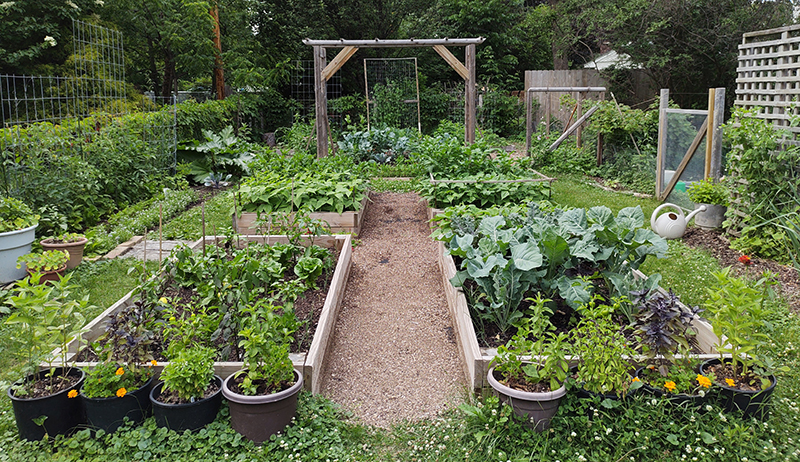
Arranging your garden for optimal compatibility involves more than just grouping friendly plants. Consider the following tips when designing your beds:
- Sunlight Needs: Place taller crops like corn or sunflowers on the north side to avoid shading shorter plants.
- Watering Requirements: Group vegetables with similar moisture needs together for easier care.
- Succession Planting: Pair fast-growing crops (like radishes) with slower ones (like carrots) to make the most of your space.
- Soil Health: Rotate crops each year to prevent soil depletion and reduce disease risk.
For those starting from scratch, this step-by-step guide to starting a veggie garden offers practical advice for beginners.

Tips for Success with Companion Planting
To get the most from your vegetable garden, keep these companion planting strategies in mind:
- Observe Your Garden: Take notes on which combinations work well in your specific climate and soil.
- Start Small: Experiment with a few pairings each season to see what thrives.
- Use Raised Beds: Raised beds can help you control soil quality and spacing, making it easier to group compatible crops. Consider investing in a raised planter bed for better results.
- Monitor Soil Moisture: Consistent watering is key. A soil moisture meter can help you avoid over- or under-watering, especially when grouping vegetables with similar needs.
- Rotate Crops: Change the location of your vegetables each year to reduce pest and disease buildup.
For those interested in container gardening, learning how to grow spinach in pots can offer flexibility and convenience, especially when space is limited.
Frequently Asked Questions
What are the best vegetable combinations for pest control?
Some of the most effective pairings for natural pest management include planting onions with carrots (to deter carrot flies), basil with tomatoes (to repel tomato hornworms), and marigolds near most vegetables to keep away aphids and nematodes.
Can I plant all vegetables together in one bed?
While many vegetables are compatible, some should not be grown side by side due to competition for nutrients or susceptibility to the same pests and diseases. Always check compatibility before planting and use resources like a companion planting chart for vegetables for guidance.
How do I know if two vegetables are good companions?
Look for information on their growth habits, nutrient needs, and pest or disease resistance. Many gardening books and online resources provide lists of compatible and incompatible vegetables. Observing your own garden over time will also help you learn which combinations work best in your environment.
Is companion planting suitable for small gardens?
Absolutely. In fact, grouping compatible vegetables is especially useful in small spaces, as it allows you to maximize yields and reduce pest problems. Raised beds and vertical gardening techniques can further improve results in compact areas.
By understanding what vegetables grow well together and applying these principles, you can create a productive, healthy, and enjoyable garden space season after season.