Ginger is a versatile, aromatic root that’s surprisingly easy to cultivate indoors. Whether you’re short on outdoor space or want a year-round supply of fresh rhizomes, learning how to grow ginger in pots opens up new possibilities for home gardeners. With the right setup and a little patience, you can enjoy homegrown ginger for cooking, tea, and natural remedies right from your windowsill or balcony.
This article will walk you through every step, from choosing the right container and soil to harvesting and troubleshooting common issues. If you’re interested in expanding your indoor edible garden, you might also want to explore best vegetables for indoor gardening for more inspiration.
Why Choose Containers for Growing Ginger?
Growing ginger in containers offers several advantages. Pots provide control over soil quality, drainage, and temperature, which are all crucial for healthy rhizome development. Indoor cultivation also protects ginger from pests and unpredictable weather, making it a reliable option for beginners and experienced gardeners alike. Plus, containers allow you to move your plants to capture the best light throughout the year.
For those with limited outdoor space or living in colder climates, pots make it possible to grow this tropical plant indoors, ensuring a steady supply of fresh ginger regardless of the season.
Getting Started: Selecting Rhizomes and Containers
To begin, purchase fresh ginger rhizomes from a reputable garden center or organic grocery store. Look for plump, firm pieces with visible “eyes” or growth buds. Avoid shriveled or moldy roots, as these are less likely to sprout.
When it comes to containers, choose a wide, shallow pot at least 12 inches deep and 12–16 inches in diameter. Ginger grows horizontally, so width is more important than depth. Ensure the pot has drainage holes to prevent waterlogging, which can cause root rot.
If you’re interested in maximizing your small-space garden, check out these tips on how to grow beans in small gardens for more ideas.
Soil and Planting Requirements for Ginger Indoors
Ginger thrives in loose, well-draining soil rich in organic matter. Use a high-quality potting mix blended with compost or aged manure. Avoid heavy garden soil, which can compact and suffocate the rhizomes.
To plant, soak the ginger pieces overnight in warm water to encourage sprouting. Fill your container with soil, then place the rhizome horizontally about 1–2 inches below the surface, with the buds facing up. Cover lightly with soil and water gently.
Keep the pot in a warm, humid spot with indirect sunlight. Ginger prefers temperatures between 70–85°F (21–29°C), so avoid placing it near cold drafts or air conditioning vents.
Watering and Light Needs for Potted Ginger
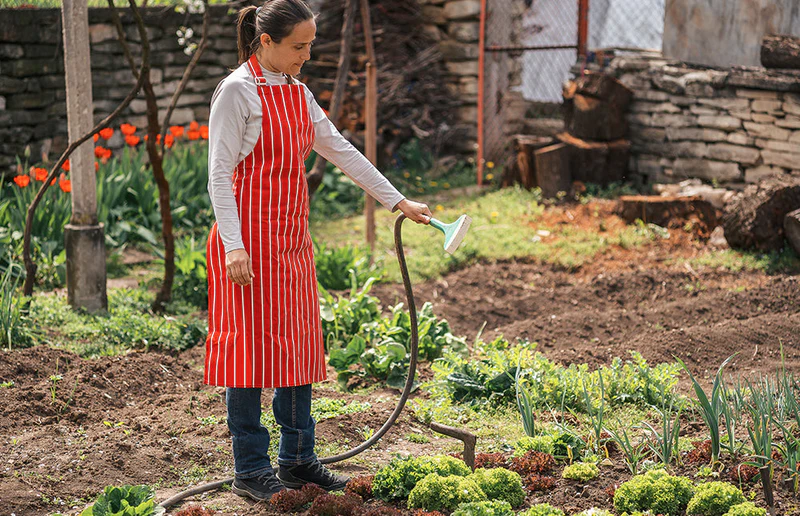
Consistent moisture is key for ginger, but overwatering can be detrimental. Water the soil thoroughly when the top inch feels dry, ensuring excess water drains away. Using a soil moisture meter can help you avoid both underwatering and soggy conditions.
Ginger prefers bright, indirect sunlight. A spot near an east- or west-facing window is ideal. Too much direct sun can scorch the leaves, while too little light will slow growth. If natural light is limited, supplement with a grow light to keep your plant thriving.
Maintaining humidity around your ginger plant will also encourage healthy foliage. Mist the leaves occasionally or place a tray of water nearby to increase moisture in the air.
Fertilizing and Ongoing Care
Feed your ginger plant every 4–6 weeks with a balanced liquid fertilizer diluted to half strength. Organic options like fish emulsion or seaweed extract work well. Avoid over-fertilizing, as this can lead to lush foliage but poor rhizome development.
Keep an eye out for pests such as spider mites or aphids, especially in dry indoor environments. Wipe leaves with a damp cloth and use insecticidal soap if needed. Remove any yellowing or damaged leaves to promote airflow and prevent disease.
For more tips on combining edible plants in small spaces, see the guide to growing herbs and vegetables together.
Harvesting Ginger from Your Indoor Pots
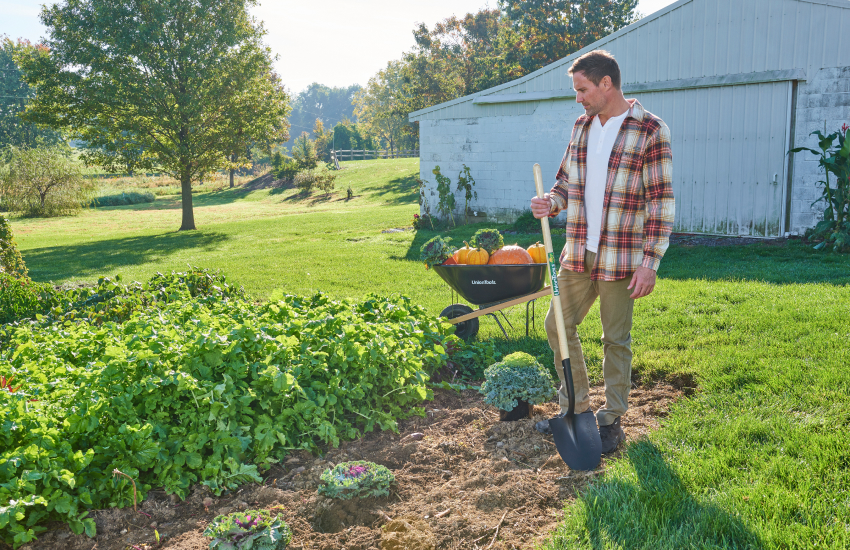
Ginger is a slow grower, typically ready to harvest in 8–10 months. However, you can begin harvesting small pieces after 4–6 months if needed. To do this, gently dig around the edge of the pot and break off a section of rhizome, then cover the remaining root and allow it to continue growing.
For a full harvest, wait until the leaves start to yellow and die back. Carefully remove the entire plant from the pot, shake off excess soil, and trim away the stems. Wash the rhizomes thoroughly and allow them to air dry before storing in a cool, dry place.
Fresh ginger can be used immediately or frozen for later use. Save a few healthy pieces with buds to replant for your next crop.
Troubleshooting Common Problems
Even with attentive care, you may encounter some challenges when cultivating ginger indoors. Here are a few common issues and solutions:
- Yellowing leaves: Often caused by overwatering or poor drainage. Check that your pot has adequate holes and allow the soil to dry slightly between waterings.
- Slow or no sprouting: Ginger may be dormant or the rhizome could be old. Ensure you’re using fresh, viable pieces and keep them warm and moist.
- Pest infestations: Indoor ginger is less prone to pests, but aphids or spider mites can appear. Remove them with a gentle spray of water or insecticidal soap.
- Mold or rot: Caused by excess moisture and poor airflow. Use a well-draining mix and avoid letting water sit in saucers under the pot.
For more troubleshooting tips and inspiration, you might enjoy this comprehensive guide to starting a small vegetable garden.
Tips for Success with Indoor Ginger
- Rotate your pot every few weeks to ensure even light exposure and balanced growth.
- Use a humidity tray or room humidifier if your home is particularly dry.
- Feed sparingly—too much fertilizer can hinder rhizome development.
- Start with several rhizome pieces in one pot for a fuller harvest.
- Replant healthy sections after each harvest to maintain a continuous supply.
If you’re looking to diversify your indoor garden, you may also want to read about how to grow garlic at home for another rewarding project.
Frequently Asked Questions
How long does it take to grow ginger indoors?
Ginger typically takes 8–10 months to reach full maturity indoors. However, you can begin harvesting small pieces after 4–6 months if you need fresh ginger sooner.
Can I grow ginger from store-bought roots?
Yes, as long as the ginger is fresh, firm, and has visible buds or “eyes.” Organic ginger is preferable, as some conventional roots may be treated with growth inhibitors.
What is the best time of year to start ginger indoors?
Ginger can be started indoors at any time, but early spring is ideal. This allows the plant to take advantage of increasing sunlight and warmth as it grows.
Do I need to move my ginger plant outdoors in summer?
It’s not necessary, but moving your pot outside during warm months can boost growth. Just be sure to acclimate the plant gradually and protect it from direct midday sun.
Conclusion
Cultivating ginger in containers is a rewarding way to enjoy fresh, homegrown spice year-round. With the right soil, container, and care, even beginners can achieve a successful harvest indoors. Remember to monitor moisture, provide indirect light, and be patient—your efforts will be rewarded with flavorful rhizomes for cooking and wellness. For more ideas on companion planting and maximizing your edible garden, explore the companion planting chart for vegetables.