Vertical pallet gardening offers a practical way to grow more plants in less space, making it ideal for small yards, patios, and even balconies. By repurposing wooden pallets, gardeners can create upright planters that maximize vertical space, improve accessibility, and add a unique visual element to their outdoor areas. Whether you want to cultivate herbs, flowers, or vegetables, learning how to use vertical pallets for gardening can help you achieve a productive and attractive garden with minimal ground area.
This approach is especially valuable for those with limited space or anyone looking to add greenery to fences and walls. Before diving into the steps, it’s helpful to understand the basics of vertical gardening and why pallets are such a popular choice. For more tips on maximizing small spaces, check out how to grow vegetables in small spaces for additional inspiration and guidance.
Why Choose Pallet Gardening for Vertical Spaces?
Repurposing pallets for gardening is not only cost-effective but also environmentally friendly. Pallets are often available for free or at a low cost from local businesses, and using them reduces waste by giving new life to discarded wood. Vertical pallet gardens are especially useful for urban gardeners, renters, or anyone with limited horizontal space.
- Space-saving: Grow more plants in a smaller footprint by utilizing vertical surfaces.
- Accessibility: Raised planters make it easier to reach and maintain your plants.
- Versatility: Suitable for herbs, leafy greens, flowers, and even some root vegetables.
- Visual appeal: Adds structure and greenery to fences, walls, or patios.
For those interested in sustainable living, vertical pallet gardens can be an excellent addition to a homestead or urban garden. If you’re considering a larger-scale project, you might also want to explore how to start a homestead for more comprehensive advice on self-sufficient gardening and land use.
Choosing and Preparing Your Pallet
Not all pallets are suitable for gardening. It’s important to select a pallet that is safe, sturdy, and free from harmful chemicals. Look for pallets stamped with “HT” (heat-treated) rather than “MB” (methyl bromide), as the latter indicates chemical treatment that can be unsafe for growing food.
- Inspect the pallet: Check for rot, loose boards, or protruding nails. Avoid damaged or splintered wood.
- Clean thoroughly: Scrub the pallet with soapy water and rinse well to remove dirt and contaminants.
- Sand rough edges: Smooth any splinters or rough spots to prevent injury and make planting easier.
- Seal if desired: For added durability, apply a non-toxic wood sealant, especially if the pallet will be exposed to the elements.
Proper preparation ensures your vertical garden will last longer and provide a safe environment for your plants.
Step-by-Step Guide to Building a Vertical Pallet Garden
Once your pallet is ready, follow these steps to transform it into a productive vertical planter:
- Attach landscape fabric: Staple landscape fabric or weed barrier to the back, sides, and bottom of the pallet. This holds soil in place while allowing water to drain.
- Fill with soil: Stand the pallet upright and fill each cavity with a high-quality potting mix. Press soil firmly into each section to minimize settling.
- Choose your plants: Select compact, shallow-rooted varieties such as lettuce, spinach, strawberries, herbs, or small flowers. Avoid large or deep-rooted plants that require more soil depth.
- Plant seedlings: Insert plants into the open slats of the pallet, starting from the bottom and working upward. Water thoroughly to help roots establish.
- Secure and position: Lean the pallet against a wall or fence, or mount it securely using brackets or hooks. Ensure it is stable and receives adequate sunlight for your chosen plants.
Best Plants for Vertical Pallet Gardens
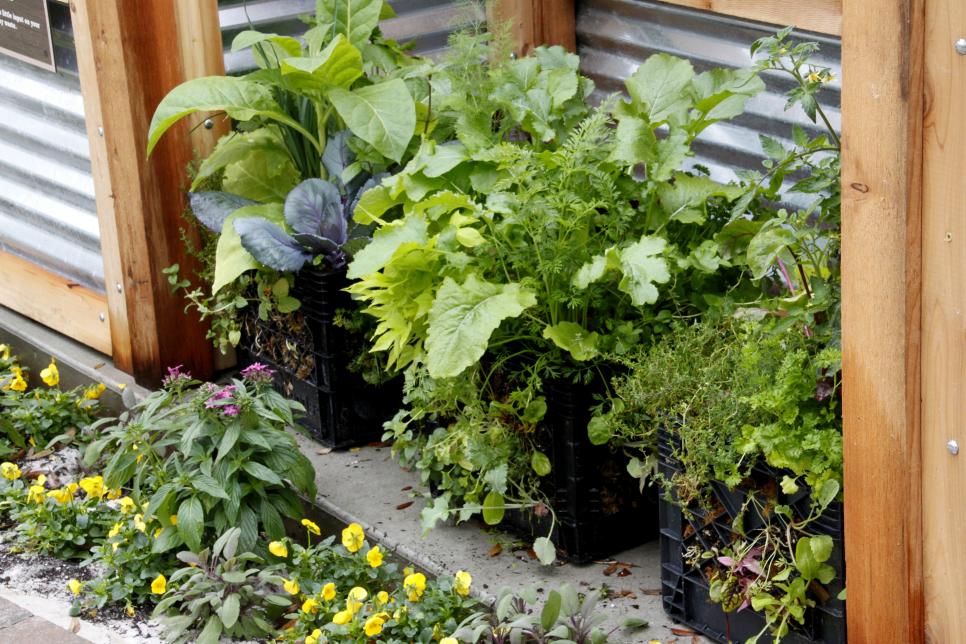
Choosing the right plants is crucial for success with upright pallet planters. Focus on species that thrive in shallow soil and can adapt to vertical growth. Here are some popular options:
- Herbs: Basil, parsley, thyme, oregano, mint, and chives.
- Leafy greens: Lettuce, spinach, arugula, and Swiss chard.
- Strawberries: Compact and well-suited for slatted planters.
- Flowers: Petunias, pansies, marigolds, and nasturtiums add color and attract pollinators.
- Small vegetables: Radishes, baby carrots, and bush beans can work in deeper pallet sections.
For more ideas on what to grow, see our guide on the best vegetables to grow at home for fresh produce throughout the season.
Tips for Maintaining Your Vertical Pallet Garden
Keeping your vertical pallet garden healthy requires some ongoing care. Here are a few maintenance tips:
- Water regularly: Vertical planters can dry out faster than traditional beds. Check soil moisture often, especially in hot weather.
- Fertilize as needed: Use a balanced, slow-release fertilizer to replenish nutrients, since limited soil volume can deplete quickly.
- Monitor for pests: Inspect plants for signs of insects or disease. Remove affected leaves and treat with organic solutions if necessary.
- Rotate crops: Change plant types each season to prevent soil-borne diseases and maintain soil health.
- Prune and harvest: Regularly trim herbs and harvest greens to encourage new growth and prevent overcrowding.
Expanding Your Gardening Skills with Vertical Pallets
As you gain experience with upright pallet planters, consider experimenting with different plant combinations and arrangements. Vertical gardening can be integrated with other space-saving techniques, such as container gardening or raised beds. If you’re new to growing specific crops, our step-by-step guide on how to grow onions from bulbs is a helpful resource for beginners.
Many gardeners find that vertical pallet gardens are a gateway to more ambitious projects. Whether you want to grow more food at home, beautify your outdoor space, or simply try something new, this method offers flexibility and creativity. For those interested in seasonal planning, our article on when to plant vegetables in spring can help you time your plantings for the best results.
Common Challenges and How to Overcome Them
While vertical pallet gardening is straightforward, a few challenges can arise:
- Uneven watering: Gravity can cause water to drain quickly from the top to the bottom. Water slowly from the top and check that all levels receive moisture.
- Soil settling: Over time, soil may compact or settle, especially after the first few waterings. Add more soil as needed to keep roots covered.
- Limited root space: Some plants may outgrow the shallow soil pockets. Stick to varieties known for shallow roots or use deeper pallet sections for larger plants.
- Sunlight exposure: Make sure your vertical garden receives enough light. If sunlight is limited, consider supplementing with LED grow lights for indoor or shaded areas.
With a bit of planning and regular care, these issues are manageable, and your vertical pallet garden can thrive throughout the growing season.
Frequently Asked Questions
Can I use any pallet for vertical gardening?
No, not all pallets are safe for growing food. Always choose heat-treated (HT) pallets and avoid those marked with “MB” or showing signs of chemical spills or mold. Inspect for structural integrity before use.
What is the best way to water a vertical pallet garden?
Water slowly from the top, allowing moisture to trickle down through each layer. Check soil moisture at all levels and adjust your watering schedule based on weather and plant needs. Drip irrigation can be helpful for consistent moisture.
Which plants should I avoid in vertical pallet gardens?
Avoid large, deep-rooted plants like tomatoes, squash, or corn, as they require more soil depth and support than pallets can provide. Stick to herbs, leafy greens, strawberries, and small flowers for best results.