Small-space gardening often comes with unique challenges, from limited sunlight to fluctuating temperatures and exposure to wind. By understanding how to create garden microclimates, you can transform even the tiniest yard, patio, or balcony into a thriving oasis for vegetables, herbs, and ornamentals. Microclimates are localized zones within your garden where temperature, humidity, wind, and sunlight differ from the surrounding area. These subtle variations can be harnessed to grow a wider range of plants and extend your growing season.
Whether you’re working with raised beds, containers, or a compact backyard, learning to manipulate microclimates is a practical way to maximize productivity and resilience. This article will guide you through the essential principles, practical strategies, and proven techniques for tailoring your garden environment—even in the smallest spaces.
For those interested in expanding their gardening skills in limited spaces, you may also find value in how to grow vegetables in small spaces, which covers urban gardening approaches that pair well with microclimate strategies.
Understanding Microclimates and Their Benefits
A microclimate is a small area with environmental conditions that differ from the broader region. In gardening, these variations can be as simple as a sunny wall that stays warmer than the rest of the yard, or a sheltered nook that avoids harsh winds. Recognizing and creating microclimates allows you to:
- Grow plants outside their typical hardiness zones
- Extend the growing season by protecting from frost or heat
- Improve plant health by reducing stress from wind or temperature swings
- Increase yields and diversity in compact gardens
By observing your space and making small adjustments, you can provide optimal conditions for a variety of crops, even in a small backyard or on a balcony.
Assessing Your Small Garden for Microclimate Opportunities
Before making changes, take time to observe your garden throughout the day and across seasons. Look for:
- Areas that receive more or less sunlight
- Spots sheltered from wind by fences, walls, or shrubs
- Low-lying zones where cold air settles
- Places near buildings that radiate heat
Mapping these features will help you decide where to position plants with specific needs. For example, tender vegetables may thrive against a south-facing wall, while leafy greens might prefer a cooler, shaded corner.
Techniques for Creating Microclimates in Compact Spaces
There are several practical ways to manipulate the environment in small gardens. Here are some of the most effective:
Using Structures and Hardscaping
Walls, fences, and even large rocks can absorb heat during the day and release it at night, moderating temperature swings. Placing heat-loving plants near these structures can help them thrive. Conversely, you can use trellises or shade cloth to protect delicate crops from intense afternoon sun.
Container Gardening for Flexible Microclimates
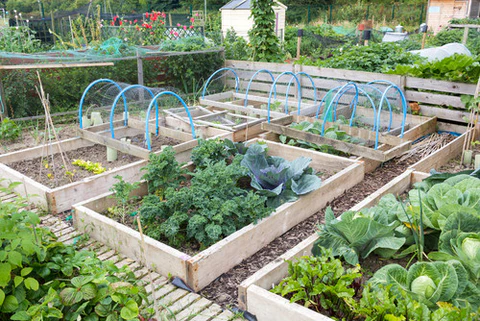
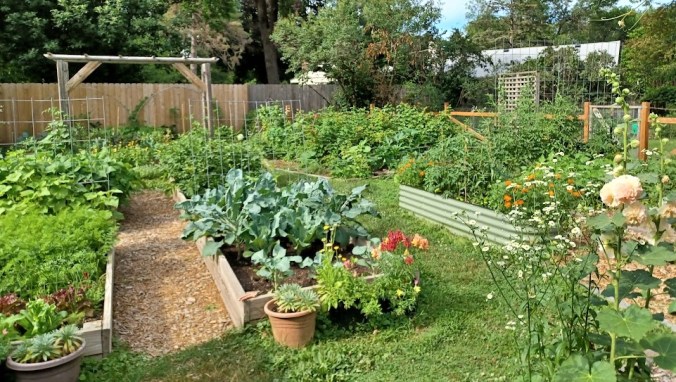
Containers and raised beds are ideal for small spaces and offer excellent control over microclimate conditions. You can move pots to chase the sun, group them for wind protection, or elevate them to avoid cold ground temperatures. Using dark-colored containers can also help absorb and retain warmth for heat-loving crops.
For more tips on maximizing yields in limited areas, see our guide on best vegetables to grow at home, which highlights productive options for small gardens.
Windbreaks and Shelter
Wind can quickly dry out soil and stress plants. In small gardens, even a simple lattice, row of tall plants, or a strategically placed trellis can serve as a windbreak. These barriers reduce wind speed, helping to create a more stable environment for sensitive crops.
Maximizing Sunlight and Shade
Observe how sunlight moves across your garden. Use reflective surfaces like light-colored walls or mulch to bounce light into shaded areas. For crops that prefer cooler conditions, create shade with taller plants, shade cloth, or temporary structures during the hottest part of the day.
Soil and Mulch Management
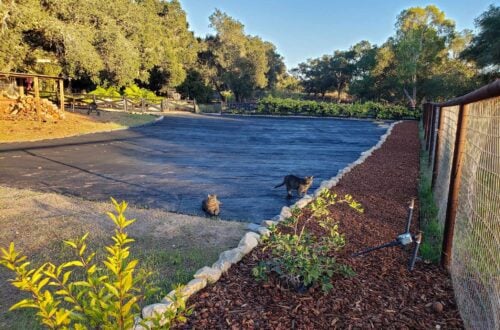
Healthy soil is the foundation of any microclimate. Amending soil with compost improves water retention and drainage, helping to buffer temperature extremes. Mulching around plants insulates roots, conserves moisture, and suppresses weeds. In containers, use high-quality potting mix and consider insulating pots in winter to protect roots from cold.
Choosing Plants for Different Microclimates
Once you’ve identified and created distinct zones in your garden, select plants that will thrive in each area. For example:
- Warm, sunny spots: Tomatoes, peppers, eggplants, basil
- Cool, shaded corners: Lettuce, spinach, parsley, chard
- Wind-sheltered areas: Beans, peas, cucumbers
Experiment with plant placement each season and keep notes on what works best in your unique conditions. For step-by-step advice on specific crops, check out our resource on how to grow onions from bulbs, which includes tips for adapting to different microclimates.
Season Extension and Protection Strategies
Small gardens benefit greatly from season extension techniques. Row covers, cold frames, and cloches can be used to trap heat and shield plants from frost. In containers, moving pots indoors or to a sheltered spot during cold snaps can save tender crops. For those interested in timing their plantings, our article on when to plant vegetables in spring offers guidance for maximizing your growing window.
Common Mistakes to Avoid When Modifying Microclimates
- Overcrowding plants, which can reduce airflow and increase disease risk
- Neglecting to monitor soil moisture, especially in containers or raised beds
- Ignoring changing sun angles through the seasons
- Failing to adjust windbreaks or shade structures as plants grow
Regular observation and small adjustments will help you fine-tune your microclimates for the best results.
Learning from Experienced Gardeners
Many homesteaders and urban gardeners have successfully used microclimate strategies to boost productivity. For more inspiration and practical advice, explore resources like this guide to the homesteading lifestyle, which covers a range of sustainable gardening practices.
Frequently Asked Questions
What is the easiest way to create a microclimate in a small garden?
The simplest approach is to use containers or raised beds, which allow you to move plants to optimal locations and control soil conditions. Adding windbreaks or placing pots near heat-absorbing walls can also make a big difference.
Can I grow heat-loving plants in a shady yard?
While full sun is ideal for crops like tomatoes and peppers, you can improve their chances by using reflective surfaces, pruning overhanging branches, or placing containers in the sunniest available spot. Consider using LED grow lights indoors to supplement natural light.
How do I protect my plants from unexpected cold snaps?
Use row covers, cloches, or move containers to sheltered areas. Mulching and grouping pots together can also help retain warmth. Monitoring weather forecasts and acting quickly is key to preventing frost damage.
Conclusion
Mastering how to create garden microclimates is a practical and rewarding way to get more from your small garden. By observing your space, making thoughtful adjustments, and choosing the right plants for each zone, you can enjoy a productive and resilient garden in any setting. With these strategies, even the smallest outdoor area can become a haven for fresh produce and beautiful blooms.