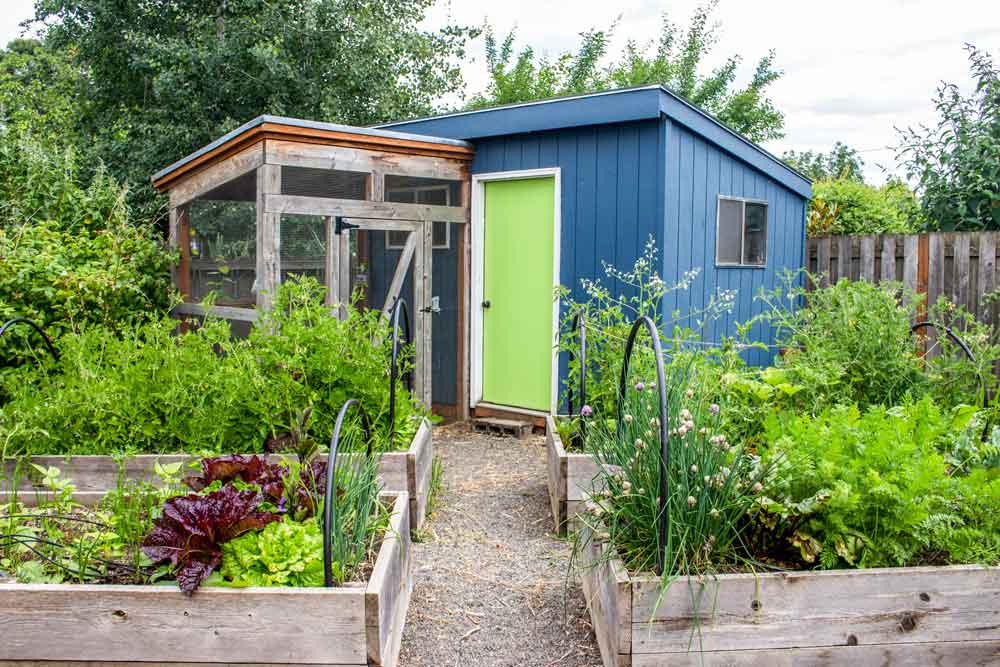
The idea of modern homesteading has gained momentum as more people seek a lifestyle that blends self-reliance, sustainability, and a closer connection to the land. Unlike traditional homesteading, which often conjures images of pioneers carving out a living in remote wilderness, today’s approach adapts these principles for both rural and urban settings. Whether you live on several acres or in a city apartment, the core values remain the same: producing more of what you consume, reducing dependence on commercial systems, and making intentional choices about how you live.
This article explores the meaning of contemporary homesteading, its key practices, and how anyone can get started—no matter where they live. If you’re interested in taking steps toward a more self-sufficient lifestyle, you’ll find practical advice, helpful resources, and answers to common questions.
For those looking to deepen their journey, our self-sufficient homestead guide offers step-by-step advice for beginners.
Understanding the Concept of Modern Homesteading
At its core, modern homesteading is about embracing a lifestyle that prioritizes self-sufficiency, resourcefulness, and sustainability. While traditional homesteaders often lived off the grid and relied almost entirely on their own labor, today’s practitioners adapt these ideas to fit modern realities. This might mean growing your own food, raising backyard chickens, preserving harvests, or even generating your own energy.
The movement is flexible and inclusive. Some people pursue it as a full-time commitment on rural land, while others integrate homesteading skills into suburban or urban life. The common thread is a desire to take control of one’s needs and reduce reliance on external systems.

Key Principles and Values
Several core values define this approach to living:
- Self-sufficiency: Producing as much of your own food, energy, and goods as possible.
- Sustainability: Using practices that protect the environment and conserve resources for future generations.
- Resilience: Building skills and systems that help you adapt to changing circumstances, whether economic, environmental, or personal.
- Intentional living: Making conscious choices about consumption, waste, and daily routines.
- Community: Sharing knowledge, resources, and support with others who have similar goals.
These principles guide decisions about what to grow, how to manage waste, and which skills to develop. They also shape the way homesteaders interact with their local communities and the broader environment.
Common Practices and Skills
The activities involved in this lifestyle can vary widely, but some of the most popular include:
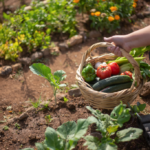
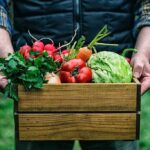
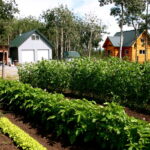
- Gardening and food production: Growing vegetables, fruits, and herbs, whether in large plots, raised beds, or containers.
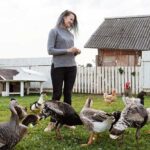
- Animal husbandry: Raising chickens, goats, bees, or other livestock for eggs, milk, honey, or meat.
- Food preservation: Canning, fermenting, dehydrating, and freezing to store seasonal harvests for year-round use.
- DIY projects: Building or repairing structures, making soap, sewing, and other hands-on skills.
- Renewable energy: Installing solar panels, wind turbines, or other systems to reduce reliance on the grid.
- Water management: Collecting rainwater, using greywater, and conserving water in daily routines.
- Composting and waste reduction: Turning kitchen scraps and yard waste into valuable soil amendments.
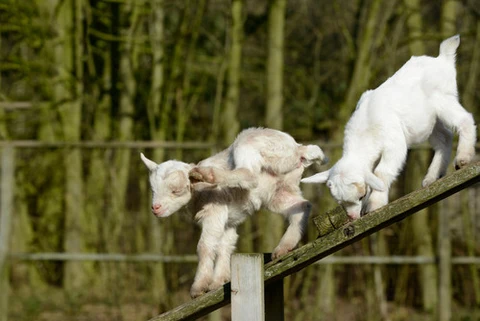
Modern Homesteading in Urban and Suburban Settings
You don’t need acres of land to start adopting homesteading principles. Many people in cities and suburbs are finding creative ways to grow food, raise small animals, and reduce waste. Urban homesteaders might use balcony gardens, community plots, or rooftop spaces. Suburban families often keep chickens, plant fruit trees, or install rain barrels.
The key is to start small and focus on what’s possible in your current environment. Even simple changes—like composting kitchen scraps or making homemade cleaning products—can make a significant difference over time.
Getting Started: Steps for Beginners
If you’re interested in exploring this lifestyle, consider these initial steps:
- Assess your resources: Take stock of your available space, time, and budget. Even a windowsill can support a few herb pots.
- Set realistic goals: Decide what you want to achieve, whether it’s growing a portion of your own food or learning a new skill.
- Start small: Choose one or two projects to begin with, such as a vegetable garden or a compost bin.
- Learn continuously: Read books, watch tutorials, and connect with local groups or online communities.
- Track your progress: Keep notes on what works and what doesn’t, and adjust your approach as needed.
For a deeper dive into starting from scratch, our complete guide to off-grid homesteading covers everything from site selection to essential skills.
Challenges and Rewards of a Self-Sufficient Lifestyle
While the benefits of a more independent lifestyle are significant—fresh food, reduced expenses, a sense of accomplishment—there are also challenges. Learning new skills takes time, and setbacks are common, especially in the beginning. Weather, pests, and local regulations can all present obstacles.
However, many homesteaders find that the rewards far outweigh the difficulties. The process of growing, building, and creating fosters resilience and satisfaction. Sharing successes (and failures) with others can also build strong community ties.
If you’re concerned about common pitfalls, our article on mistakes new homesteaders make can help you avoid the most frequent missteps.
Resources and Further Reading
There are many excellent resources available for those interested in learning more. For a comprehensive overview, this guide to homesteading basics explains the history, philosophy, and practical aspects of the movement.
Local extension offices, gardening clubs, and online forums are also valuable sources of information and support. Connecting with others who share your interests can accelerate your learning and help you stay motivated.
Frequently Asked Questions
Can you practice homesteading if you live in an apartment?
Absolutely. Many apartment dwellers grow herbs or vegetables in containers, make homemade cleaning products, or learn food preservation techniques. The key is to adapt practices to your available space and resources.
Do you need a lot of land to be a modern homesteader?
No. While having land opens up more possibilities, many people successfully adopt homesteading principles in small yards, balconies, or even shared community gardens. It’s about making the most of what you have.
What are the first steps for someone new to this lifestyle?
Start by identifying your goals and resources. Choose one or two manageable projects, such as starting a small garden or learning to can vegetables. Continue learning and expand your skills as you gain confidence.
Where can I find more detailed timelines for starting out?
For step-by-step planning, our off-grid homestead startup timeline provides a practical roadmap for beginners.