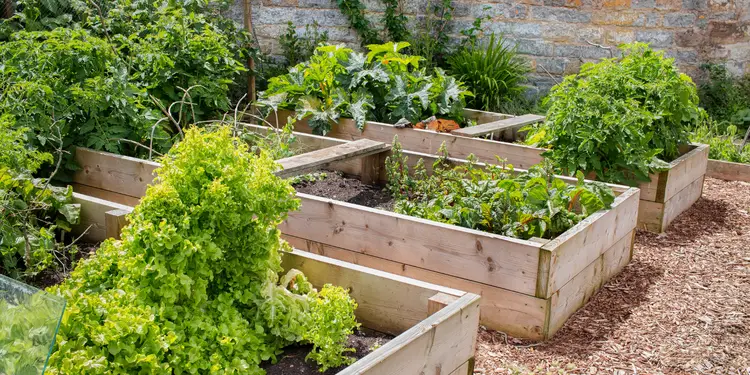
Growing cucumbers when space is limited can be surprisingly rewarding. Whether you have a compact backyard, a balcony, or just a sunny windowsill, it’s possible to enjoy fresh, crisp cucumbers without a sprawling garden. With the right techniques and a bit of planning, you can maximize your harvest even in the smallest spaces. This guide covers practical strategies, container options, and essential care tips for cultivating cucumbers in tight quarters.
For those interested in optimizing their homestead setup, exploring resources like the modern homesteading fencing guide can help you make the most of your available space and protect your crops effectively.
Choosing the Right Cucumber Varieties for Limited Spaces
Not all cucumber plants are created equal, especially when it comes to growing in confined areas. Selecting compact or bush varieties is key. These types are bred to thrive in containers and small beds, producing abundant fruit without sprawling vines.
- Bush cucumbers: These stay much smaller than traditional vining types and are perfect for pots or raised beds.
- Miniature or patio varieties: Look for names like ‘Bush Pickle’, ‘Spacemaster’, or ‘Patio Snacker’—these are designed for container gardening.
- Early maturing types: Fast-growing cultivars are ideal for short growing seasons or for gardeners who want quick results.
When shopping for seeds or seedlings, check the label for terms like “compact,” “bush,” or “container-friendly.” These cues will help ensure you’re selecting the best fit for your space.
Best Containers and Supports for Urban Cucumber Gardening
One of the most effective ways to practice how to grow cucumbers in small areas is by using containers. The right container not only saves space but also provides the ideal environment for healthy root development.
- Container size: Choose pots or grow bags at least 12-16 inches deep and wide. This gives roots enough room to spread and supports vigorous growth.
- Material: Fabric grow bags, plastic pots, or galvanized steel planters all work well. Ensure containers have drainage holes to prevent waterlogging.
- Vertical supports: Even bush types benefit from a small trellis, cage, or stake. Training vines upward saves space and improves air circulation, reducing disease risk.
For even more ideas on maximizing your garden, consider reading about modern homesteading herbal garden ideas to complement your cucumber patch.
Soil, Watering, and Light Needs for Thriving Plants
Providing the right growing conditions is essential for healthy cucumber plants, especially in containers or raised beds. Here’s what you need to know:
- Soil: Use a rich, well-draining potting mix. Amend with compost or aged manure to boost fertility. Avoid garden soil, which can compact and restrict roots in containers.
- Watering: Cucumbers need consistent moisture. Water deeply when the top inch of soil feels dry, but don’t let the roots sit in soggy soil. Mulching helps retain moisture and keeps roots cool.
- Light: Place containers where they’ll receive at least 6-8 hours of direct sunlight daily. If growing indoors or on a shaded balcony, supplement with LED grow lights for best results.
Regular feeding with a balanced liquid fertilizer every 2-3 weeks will keep your plants productive throughout the season.
Maximizing Yields with Vertical and Intensive Methods
One of the best ways to increase your cucumber harvest in a small space is by growing vertically. Training vines upward not only saves ground area but also improves fruit quality and makes harvesting easier.
- Trellising: Use a sturdy trellis, fence, or even a tomato cage. Secure vines gently with soft ties as they grow.
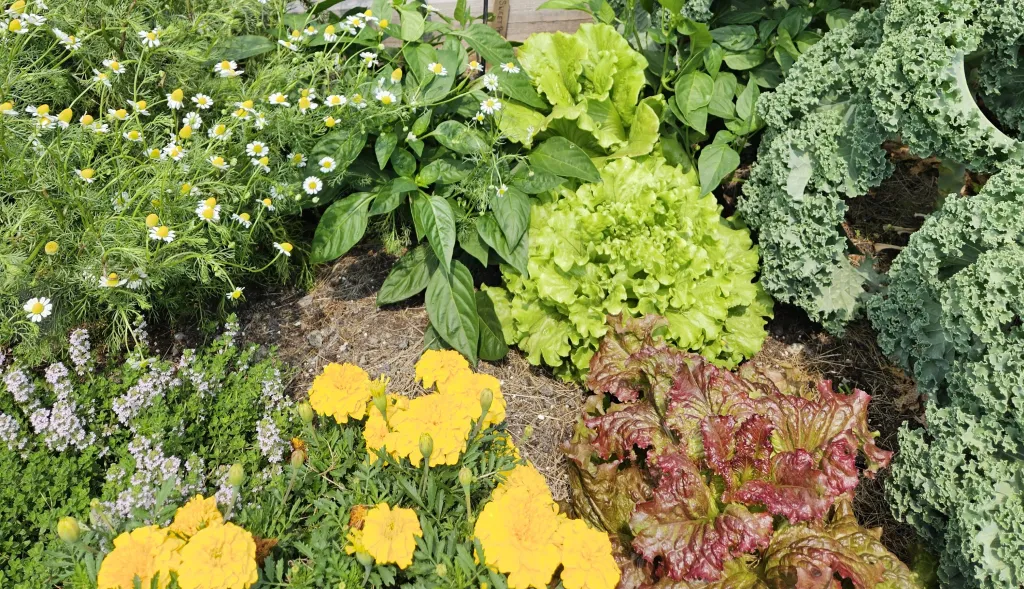
- Interplanting: Combine cucumbers with shallow-rooted herbs or leafy greens. This intensive approach makes the most of every inch.
- Succession planting: After harvesting the first round, replant with a new batch of seeds for a continuous supply.
For more on efficient homesteading techniques, check out the modern homesteading beginner mistakes guide to avoid common pitfalls.
Common Challenges and Solutions for Compact Cucumber Gardens
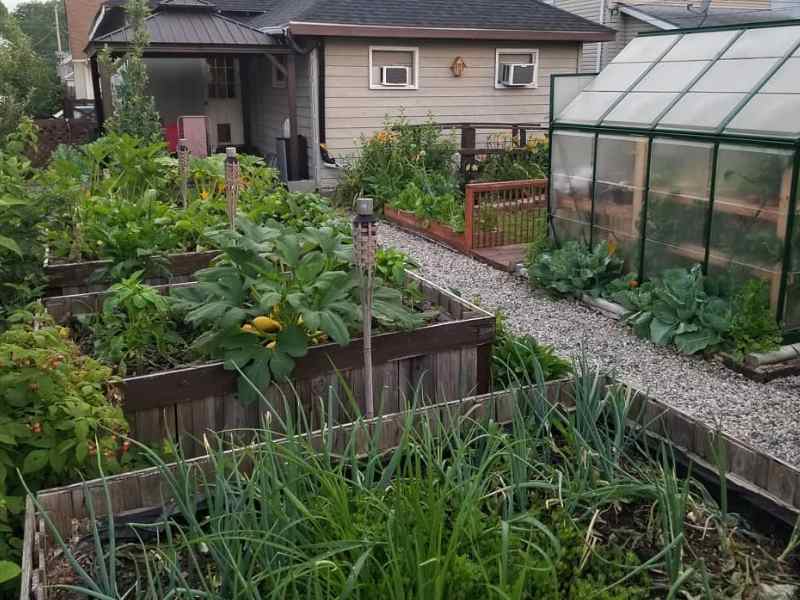
Growing cucumbers in tight spaces comes with its own set of challenges. Here are some common issues and practical solutions:
- Pest control: Aphids and cucumber beetles can be problematic. Inspect plants regularly and use insecticidal soap or hand-pick pests as needed.
- Powdery mildew: Good air circulation is crucial. Avoid overhead watering and prune excess foliage to keep leaves dry.
- Pollination: In small or indoor gardens, pollinators may be scarce. Gently transfer pollen between flowers using a small paintbrush to improve fruit set.
- Overcrowding: Resist the urge to plant too many seeds in one container. Give each plant enough space for healthy growth—usually one plant per 12-16 inch pot.
Learning from experienced growers can help you avoid these pitfalls. For those just starting out, the three principles for homesteading beginners offer timeless advice for success.
Harvesting and Enjoying Your Homegrown Cucumbers
Once your plants start producing, harvest cucumbers regularly to encourage more fruit. Pick them when they’re firm, green, and before seeds become too large. Most varieties are ready about 50-70 days after planting, but check your seed packet for specifics.
Fresh cucumbers are delicious in salads, sandwiches, or simply sliced with a sprinkle of salt. Surplus harvests can be pickled or shared with friends and neighbors. With the right approach, even a small urban garden can yield a satisfying crop.
Frequently Asked Questions
What is the best container size for cucumbers in small spaces?
Choose a pot or grow bag that is at least 12-16 inches deep and wide. This allows enough room for root development and supports healthy, productive plants.
How often should I water cucumbers grown in containers?
Water deeply whenever the top inch of soil feels dry. In hot weather, daily watering may be necessary. Consistent moisture is key, but avoid letting the soil become waterlogged.
Can cucumbers be grown indoors year-round?
Yes, cucumbers can be grown indoors with adequate light. Place them in a sunny window or use LED grow lights to provide at least 6-8 hours of light per day. Choose compact varieties for best results.