Embracing a simpler, more sustainable lifestyle is a growing trend for those seeking independence from modern utilities and a deeper connection with nature. Building or renovating a cabin away from the grid offers the chance to live intentionally, reduce environmental impact, and enjoy the peace that comes with self-sufficiency. Whether you’re dreaming of a rustic retreat or planning a permanent homestead, exploring off-grid cabin ideas can help you design a space that aligns with your values and needs.
From energy-efficient building methods to creative ways to grow food and manage resources, there are countless approaches to making your off-grid home both comfortable and eco-friendly. If you’re interested in optimizing your property for year-round productivity, you might also find inspiration in the modern homesteading seasonal living guide, which covers practical tips for adapting to the rhythms of each season.
Designing Your Off-Grid Retreat: Key Considerations
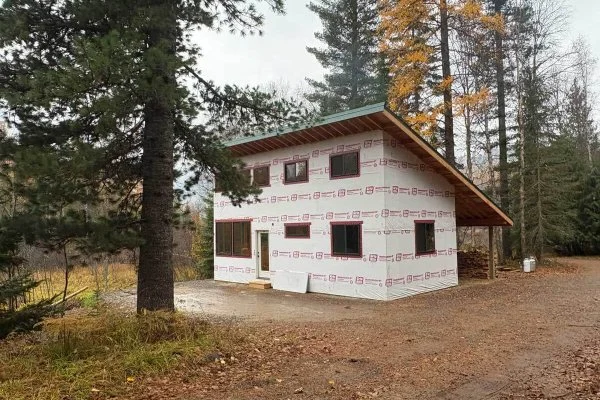
Before diving into specific concepts, it’s important to consider the foundational aspects of living off the grid. The location, orientation, and size of your cabin will influence everything from heating needs to water access. Prioritize passive solar design by positioning windows to capture natural light and warmth, and choose materials that provide good insulation. Compact layouts are often easier to heat and maintain, making them a practical choice for remote living.
Think about how you’ll manage essential systems, such as:
- Water sourcing and filtration (rainwater catchment, wells, or nearby streams)
- Renewable energy (solar panels, wind turbines, or micro-hydro setups)
- Waste management (composting toilets, greywater recycling)
- Food production (gardens, greenhouses, small livestock)
Innovative Cabin Building Materials and Techniques
Choosing the right construction method is crucial for durability and sustainability. Here are some creative approaches to building a resilient off-grid home:
- Reclaimed wood and salvaged materials: Using locally sourced or recycled materials reduces costs and environmental impact.
- Straw bale construction: Excellent for insulation, straw bales can keep your cabin warm in winter and cool in summer.
- Earthbag or cob structures: These natural building techniques use earth and clay, offering thermal mass and fire resistance.
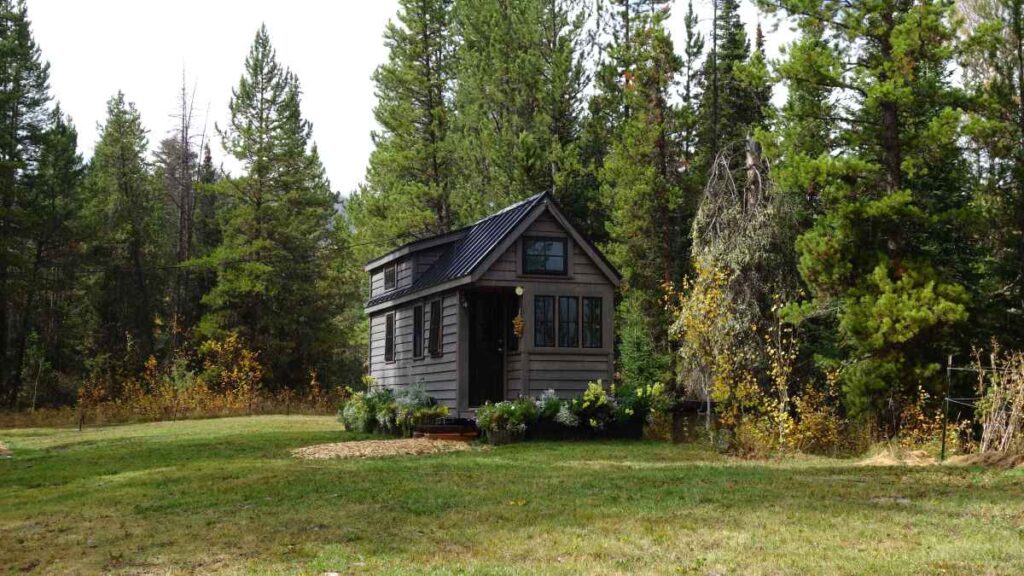
- Tiny home designs: Compact cabins minimize resource use and are easier to heat, clean, and maintain.
Self-Sufficiency Through Food and Resource Management
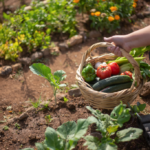
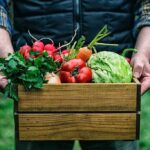
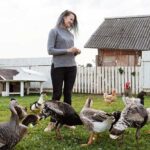
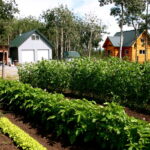
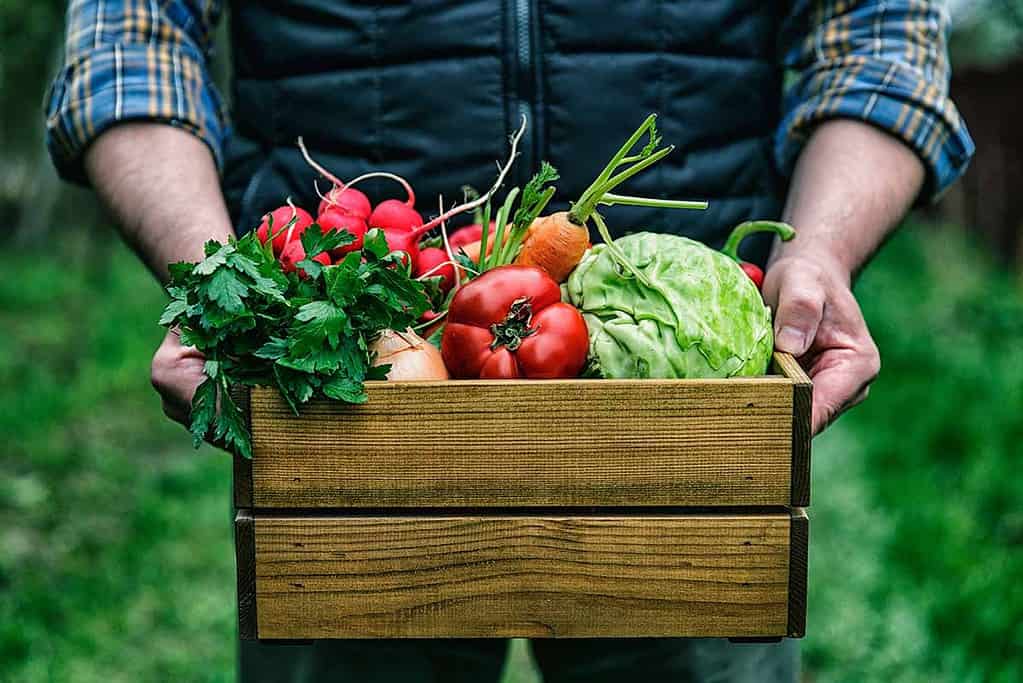
Sustainable living in a remote cabin often centers on producing your own food and managing resources wisely. Raised garden beds are a popular choice for growing vegetables, as they improve soil drainage and make planting easier. Incorporating a greenhouse extends your growing season, while keeping chickens or goats can provide eggs, milk, and natural pest control.
For those interested in maximizing garden productivity, consider integrating tips from the modern homesteading greenhouse tips guide. Efficient composting systems and mulching help build healthy soil and reduce waste, while rainwater harvesting ensures a reliable water supply even in dry months.
Energy Solutions for Remote Cabins
Reliable power is essential for comfort and safety. Solar panels are the most common choice for off-grid homes, but wind turbines or micro-hydro systems can supplement energy needs depending on your location. Invest in high-quality batteries to store excess power, and use energy-efficient appliances to minimize consumption.
For heating, consider a wood stove or a rocket mass heater, both of which use renewable fuel and provide steady warmth. Insulate your cabin thoroughly to retain heat in winter and keep it cool in summer. LED lighting and propane-powered refrigerators are practical options for reducing your electrical load.
Creative Off-Grid Cabin Ideas for Comfort and Functionality
There are many ways to personalize your off-grid home for both comfort and practicality. Consider these unique features to enhance your living experience:
- Lofted sleeping areas: Maximize floor space by building a sleeping loft above the main living area.
- Outdoor kitchens: Cooking outside in warm weather keeps your cabin cooler and connects you with nature.
- Rainwater-fed showers: Simple gravity-fed systems can provide refreshing outdoor showers.
- Multi-use furniture: Benches with storage, fold-down tables, and convertible beds make small spaces more functional.
- Natural pest control: Incorporate companion planting and attract beneficial insects. For more strategies, check out modern homesteading natural pest control.
Learning from Real-World Homesteaders
Many people have successfully built thriving off-grid cabins by combining traditional wisdom with modern technology. Exploring stories and advice from experienced homesteaders can help you avoid common pitfalls and discover new solutions. For a deeper understanding of what it means to live independently, read this comprehensive overview of homesteading and off-grid living.
Community is also important, even when living remotely. Sharing resources, trading skills, and supporting neighbors can make off-grid life more rewarding and resilient.
Maintaining and Improving Your Homestead
Regular maintenance is key to keeping your cabin in top shape. Inspect your roof, windows, and foundation seasonally to catch issues early. Keep tools sharp and organized—advice from the modern homesteading tool maintenance tips resource can help you extend the life of your equipment.
As your needs change, consider expanding your setup with new features like a root cellar, additional solar panels, or a larger garden. Staying flexible and open to innovation will help you thrive in your off-grid environment.
Frequently Asked Questions
What are the most important features for an off-grid cabin?
The essentials include reliable water sourcing, renewable energy systems, effective insulation, and waste management solutions. Prioritizing these ensures comfort and sustainability year-round.
How can I make my off-grid home more energy efficient?
Use passive solar design, high-quality insulation, and energy-efficient appliances. Incorporate renewable energy sources like solar panels, and minimize energy loss by sealing windows and doors.
Is it possible to grow food year-round in a remote cabin?
Yes, with the right setup. Greenhouses, cold frames, and raised beds can extend your growing season. Storing root vegetables and preserving harvests also helps maintain a steady food supply.
Where can I learn more about designing a sustainable homestead?
Explore resources like the modern homesteading homestead design ideas guide for inspiration on layout, materials, and long-term planning.