Healthy plants and thriving soil are at the heart of every successful garden. Whether you’re growing vegetables, flowers, or fruit trees, using natural ways to improve plant growth leads to more resilient plants, richer harvests, and a more sustainable environment. Instead of relying on synthetic fertilizers or harsh chemicals, gardeners can use proven organic techniques to nurture both plants and the earth.
This guide explores practical, eco-friendly methods for boosting plant vitality and building robust soil. From composting and mulching to crop rotation and organic amendments, you’ll find actionable steps to transform your garden naturally. If you’re interested in reducing chemicals, you might also want to learn about how to avoid chemicals in gardening for a safer, more sustainable approach.
Building Healthy Soil Organically
Soil is the foundation of every garden. Improving its structure and fertility naturally is one of the most effective natural ways to improve plant growth. Healthy soil supports strong roots, better water retention, and a thriving ecosystem of beneficial microbes.
- Compost: Adding well-rotted compost introduces organic matter, nutrients, and beneficial organisms. Spread a layer on garden beds each season or mix it into planting holes.
- Mulch: Organic mulches like straw, shredded leaves, or wood chips help retain moisture, suppress weeds, and gradually feed the soil as they break down.
- Cover Crops: Planting legumes or clover during the off-season fixes nitrogen and prevents erosion, while their roots improve soil structure.
- Avoid Tilling: Minimize disturbance to preserve soil life. No-till or low-till gardening protects earthworms and beneficial fungi.
For those starting from scratch, this beginner’s guide to starting a vegetable garden provides step-by-step advice on preparing beds and choosing the right soil amendments.
Organic Amendments for Boosting Plant Growth
Natural soil amendments provide essential nutrients and improve soil texture. Here are some of the best options for gardeners seeking organic solutions:
- Composted Manure: Well-aged manure from herbivores is rich in nutrients and safe for most crops.
- Worm Castings: Vermicompost is packed with beneficial microbes and nutrients that promote root development and plant vigor.
- Rock Dust: Finely ground rock minerals (like basalt or granite dust) add trace elements that can be lacking in depleted soils.
- Bone Meal and Blood Meal: These slow-release fertilizers provide phosphorus and nitrogen, key for flowering and leafy growth.
Apply these amendments according to package instructions or soil test results. Overuse can harm plants, so moderation is key.
Watering Wisely for Stronger Plants
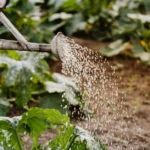
Water is essential, but how and when you water can make a big difference. Efficient watering is another natural way to improve plant growth and prevent disease.
- Water Deeply, Not Frequently: Deep watering encourages roots to grow downward, making plants more drought-resistant.
- Morning Watering: Watering early in the day allows leaves to dry, reducing the risk of fungal diseases.
- Mulch to Retain Moisture: A thick layer of organic mulch keeps soil moist and cool, reducing evaporation.
- Use Rainwater: Collecting rainwater in barrels is eco-friendly and often better for plants than treated tap water.
Monitoring soil moisture with a meter ensures you’re not over- or under-watering. This simple tool helps prevent root rot and promotes optimal growth.
Crop Rotation and Companion Planting
Rotating crops and choosing the right plant neighbors are time-tested strategies for healthier gardens. These methods help break pest cycles, reduce disease, and optimize nutrient use.
- Crop Rotation: Change the location of plant families each year to prevent soil-borne diseases and nutrient depletion.
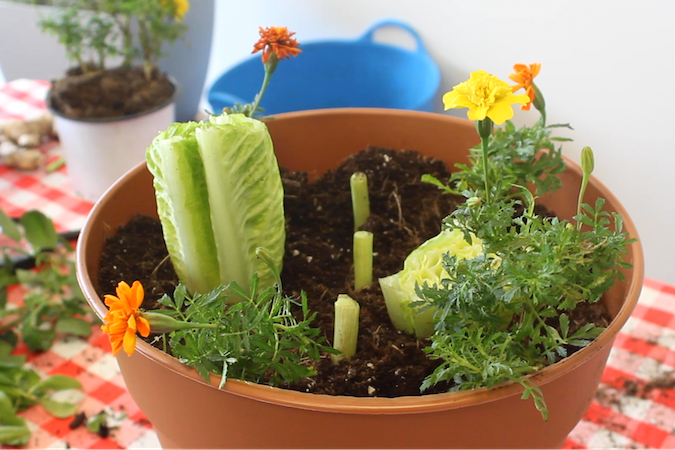
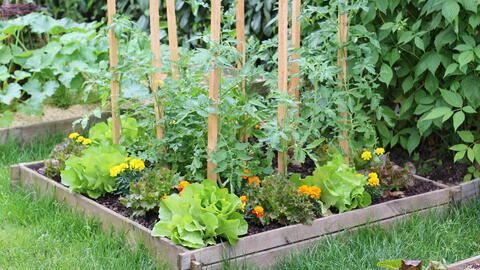
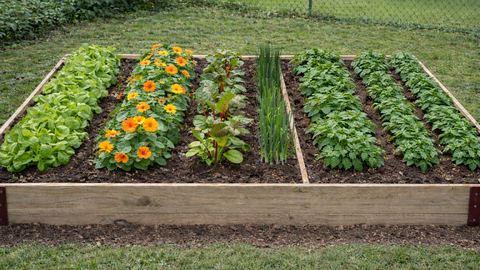
- Companion Planting: Some plants, like marigolds or basil, naturally repel pests or enhance the growth of their neighbors.
- Polyculture: Growing a mix of species mimics nature and creates a more resilient ecosystem.
For more on sustainable gardening, see the benefits of organic gardening and how these practices support both your garden and the environment.
Encouraging Beneficial Insects and Pollinators
Attracting helpful insects is another effective way to support plant health without chemicals. Bees, butterflies, ladybugs, and predatory wasps all play vital roles in pollination and pest control.
- Plant a Diversity of Flowers: Grow a mix of native blooms to provide nectar and habitat throughout the season.
- Avoid Pesticides: Even organic sprays can harm beneficial insects. Use physical barriers or hand-picking for pest management.
- Provide Shelter: Leave some leaf litter or install insect hotels to offer safe spaces for overwintering insects.
Supporting pollinators not only boosts yields but also strengthens the entire garden ecosystem.
Harvesting and Preserving Your Bounty
Once your garden is thriving, proper harvesting and storage help you make the most of your efforts. Pick vegetables and fruits at their peak for the best flavor and nutrition. To extend your harvest, consider learning about freezing vegetables step by step or drying vegetables for storage. These methods help reduce waste and keep your pantry stocked with homegrown goodness year-round.
Frequently Asked Questions
What are the best natural fertilizers for home gardens?
Compost, worm castings, aged manure, and organic amendments like bone meal and rock dust are excellent choices. They feed the soil gradually and support beneficial microbes, which in turn help plants thrive.
How can I improve soil health without chemicals?
Focus on adding organic matter through compost and mulch, practice crop rotation, plant cover crops, and minimize soil disturbance. These steps build fertility and structure naturally, reducing the need for synthetic inputs.
Is companion planting really effective for pest control?
Yes, companion planting can reduce pest problems and improve growth by attracting beneficial insects and deterring harmful ones. For example, marigolds help repel nematodes, and basil can enhance tomato flavor and repel some pests.
How often should I rotate crops in my garden?
It’s best to rotate crops every year, especially for vegetables in the same family (like tomatoes, peppers, and eggplants). This practice helps prevent disease buildup and balances nutrient use in the soil.
What’s the easiest way to start gardening naturally?
Begin by building healthy soil with compost and mulch, choose disease-resistant plant varieties, and water wisely. Raised beds can simplify soil management, and starting small allows you to learn as you grow. For more tips, check out how to grow organic vegetables at home.