Preserving your garden harvest is a practical way to enjoy homegrown produce year-round. Drying vegetables for storage is one of the oldest and most reliable methods to keep your bounty fresh and nutritious long after the growing season ends. By removing moisture from vegetables, you prevent spoilage and create lightweight, shelf-stable ingredients for soups, stews, snacks, and more.
Whether you’re a backyard gardener or simply want to make the most of seasonal produce, learning how to dehydrate vegetables is a valuable skill. This guide covers the essentials of preparation, drying techniques, and storage tips to help you succeed. If you’re interested in maximizing the life of your harvest, you might also find these tips on how to extend vegetable shelf life useful for your kitchen and pantry.
Why Choose Dehydration for Preserving Vegetables?
Dehydrating vegetables is a simple, energy-efficient way to preserve food. Unlike canning or freezing, it requires minimal equipment and no electricity for long-term storage. Dried vegetables retain much of their nutrition, flavor, and color, making them a healthy addition to your pantry. This method is especially useful if you have a surplus of produce or limited freezer space.
Some of the benefits of drying vegetables for storage include:
- Extended shelf life without refrigeration
- Reduced weight and volume for easy storage
- Versatility in recipes—rehydrate for soups, stews, or casseroles
- Preservation of nutrients and flavor
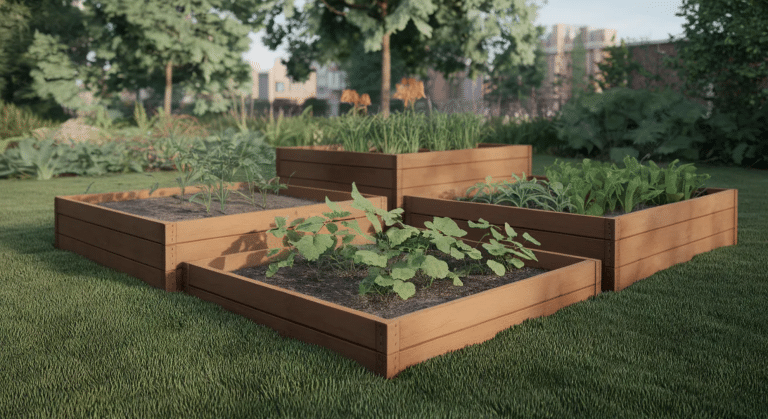
For those new to gardening, starting with a small plot can yield plenty of produce for drying. If you need inspiration, check out this beginner’s guide to starting a small vegetable garden for practical layout and planting tips.
Best Vegetables for Dehydration
Not all vegetables dry equally well. Some are better suited for dehydration due to their texture, water content, and flavor profile. Here are some of the top choices for drying:
- Tomatoes (sliced or cherry varieties)
- Carrots (shredded or sliced)
- Peppers (sweet or hot, diced or sliced)
- Green beans (cut into bite-sized pieces)
- Onions and garlic (sliced or minced)
- Peas (blanched whole)
- Zucchini and summer squash (sliced thin)
- Leafy greens like kale and spinach (washed and torn)
Root vegetables and sturdy greens generally respond well to drying. For more delicate items, such as tomatoes, consider slicing them evenly to ensure consistent dehydration.
Preparing Vegetables for Drying
Proper preparation is key to successful dehydration. Follow these steps to get your vegetables ready:
- Harvest at peak ripeness: Choose fresh, unblemished produce for best results.
- Wash thoroughly: Remove dirt and debris under running water.
- Peel and trim: Remove skins, stems, and seeds as needed.
- Cut uniformly: Slice or dice vegetables into even pieces to ensure consistent drying.
- Blanch if necessary: Some vegetables, like carrots, beans, and peas, benefit from blanching (brief boiling followed by an ice bath) to preserve color and texture.
- Pat dry: Remove excess moisture with a clean towel before placing vegetables in the dehydrator or oven.
Uniformity is important—smaller, thinner pieces dry faster and more evenly. Blanching is optional for some vegetables but can improve storage quality and color retention.
Methods for Drying Vegetables at Home
There are several effective ways to dry vegetables, each with its own advantages. The most common methods include:
Using a Food Dehydrator
A food dehydrator is the most efficient and reliable tool for drying vegetables for storage. It provides consistent heat and airflow, ensuring even drying without cooking the produce. Simply arrange prepared vegetables in a single layer on the trays, set the temperature (typically 125–135°F or 52–57°C), and check periodically until vegetables are dry and brittle or leathery, depending on the type.
Oven Drying
If you don’t have a dehydrator, your oven can do the job. Set it to the lowest temperature (usually around 140–170°F or 60–77°C). Place vegetables on baking sheets lined with parchment paper, leaving space for air circulation. Prop the oven door open slightly to allow moisture to escape. Rotate trays and check frequently to avoid over-drying or burning.
Air Drying
Some vegetables, such as herbs, hot peppers, and certain greens, can be air-dried in a warm, dry, and well-ventilated space. Tie small bundles and hang them upside down, or spread pieces on a screen. This method is slower and depends on humidity, but it requires no electricity.
How to Store Dried Vegetables for Maximum Shelf Life
Once your vegetables are fully dried, proper storage is essential to maintain quality and prevent spoilage. Here’s how to store them effectively:
- Cool completely: Let dried vegetables reach room temperature before packaging to avoid condensation.
- Use airtight containers: Glass jars, vacuum-sealed bags, or food-grade plastic containers work well.
- Store in a dark, cool, dry place: Light and heat can degrade color and nutrients over time.
- Label and date: Mark containers with the vegetable type and drying date for easy rotation.
- Check periodically: Inspect for moisture, mold, or off-odors. If found, discard affected contents.
Properly dried and stored vegetables can last from 6 months up to a year or more. For more tips on keeping your harvest fresh, see this guide on how to store fresh vegetables after harvest.
Using Dried Vegetables in Everyday Cooking
Dried vegetables are versatile and easy to use. Rehydrate them by soaking in warm water for 15–30 minutes before adding to recipes, or toss them directly into soups, stews, or casseroles where they’ll absorb liquid as they cook. They’re also excellent for homemade backpacking meals, emergency food kits, or healthy snacks.
Some ideas for using your dried produce include:
- Adding to soups and broths for extra flavor and nutrition
- Mixing into rice or grain dishes
- Blending into powder for seasoning mixes or sauces
- Enjoying as crunchy snacks straight from the jar
Experiment with different vegetables and recipes to discover your favorites. If you’re interested in the broader advantages of sustainable gardening, you might enjoy reading about the benefits of organic gardening.
Common Mistakes to Avoid When Dehydrating Vegetables
While the process is straightforward, a few common errors can affect the quality of your dried produce. Watch out for these pitfalls:
- Overcrowding trays: This leads to uneven drying and may cause spoilage.
- Inconsistent slicing: Thick or uneven pieces dry at different rates, risking under- or over-drying.
- Skipping blanching: For some vegetables, this step helps preserve color, texture, and nutrients.
- Improper storage: Exposure to air or moisture can cause mold or staleness.
- Drying at too high a temperature: This can cook rather than dehydrate, affecting flavor and nutrition.
By following best practices, you’ll enjoy high-quality, long-lasting dried vegetables that are ready whenever you need them.
Frequently Asked Questions
How do I know when my vegetables are fully dried?
Vegetables are done when they feel dry to the touch and either brittle (like carrots or beans) or leathery (like tomatoes or peppers). Let them cool, then test by bending or breaking a piece. If any moisture remains, continue drying and check again.
Can I dry vegetables without special equipment?
Yes, you can use your oven set to a low temperature or air-dry certain vegetables in a warm, dry space. However, a food dehydrator offers the most consistent results and is worth considering if you plan to dry produce regularly.
What is the best way to rehydrate dried vegetables?
Soak dried vegetables in warm water for 15–30 minutes, or add them directly to dishes with plenty of liquid, such as soups or stews. They’ll absorb moisture as they cook and return to a texture similar to fresh vegetables.
Conclusion
Learning the art of drying vegetables for storage is a rewarding way to reduce waste, save money, and keep your kitchen stocked with nutritious ingredients. With the right preparation, drying method, and storage, you can enjoy the flavors of your garden throughout the year. For more guidance on harvesting, see tips on when to harvest tomatoes and when to harvest potatoes.