Potatoes are a rewarding crop for gardeners of all experience levels, but knowing when to harvest potatoes is key to enjoying the best flavor, texture, and storage life. Picking them at the right moment ensures your hard work pays off with a bountiful, delicious yield. However, the timing can be confusing, especially since the tubers grow underground and aren’t visible until you dig them up. This guide will help you recognize the signs that your potatoes are ready, understand the differences between new and mature potatoes, and learn the best harvesting techniques for a successful crop.
For those interested in maximizing the freshness of their harvest, you might also want to read about how to store fresh vegetables after harvest to keep your potatoes and other produce in top condition for longer.
Understanding Potato Growth Stages
Potatoes go through several growth phases, and recognizing these stages helps you determine the best time to dig them up. After planting seed potatoes, leafy shoots emerge and flower stalks develop. The tubers begin forming underground soon after flowering, but they need time to mature fully. The two main harvest windows are for “new” (baby) potatoes and mature storage potatoes.
- New potatoes: These are harvested early, usually 2-3 weeks after the plants flower. They have thin skins and a delicate flavor but don’t store well.
- Mature potatoes: These are left in the ground until the plant tops die back, allowing the skins to toughen up for better storage.
Knowing the difference between these stages is essential for timing your harvest and enjoying potatoes at their best.
Signs Your Potatoes Are Ready to Harvest
There are several reliable indicators that your potato crop is ready for digging. Here’s what to look for:
Visual Cues Above Ground
- Flowering: Many potato varieties flower before the tubers are fully mature. If you want tender new potatoes, you can start checking for them about two weeks after the flowers appear.
- Yellowing and Dying Foliage: For mature potatoes, wait until the leaves and stems have turned yellow or brown and begin to die back. This signals that the tubers have stopped growing and their skins have thickened.
Checking Below the Surface
- Gently dig around the base of a plant with your hands or a small fork. If the potatoes are the desired size and the skins don’t rub off easily, they’re ready for harvest.
- If the skins are still thin and easily scraped, give them another week or two in the ground.
Best Practices for Harvesting Potatoes
When you’ve determined your potatoes are ready, it’s important to harvest them carefully to avoid bruising or damaging the tubers. Here are some practical tips:
- Choose a dry day for digging. Wet soil can cling to potatoes and increase the risk of rot.
- Use a garden fork or spade to gently lift the plants, starting from the edge of the row or container to avoid spearing the tubers.
- Brush off excess soil, but avoid washing the potatoes until you’re ready to use them. Moisture can shorten their shelf life.
- Let the freshly dug potatoes cure in a cool, dark, and well-ventilated place for one to two weeks. This helps toughen the skins and heal minor cuts.
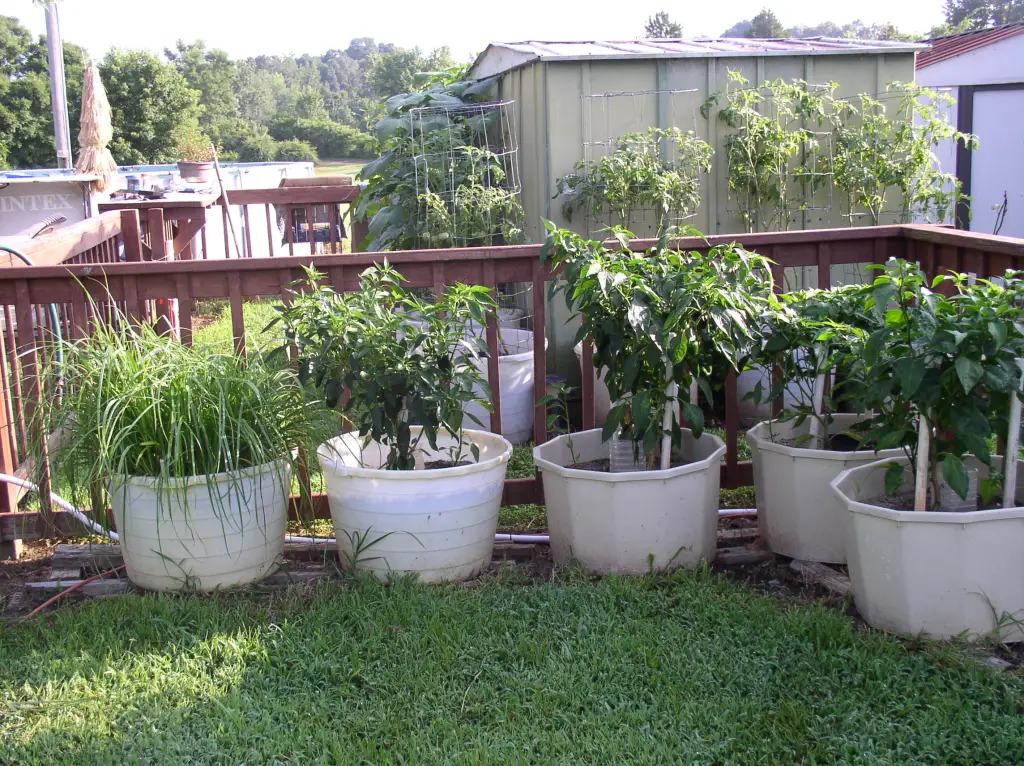
For gardeners using containers or raised beds, harvesting is often easier and less damaging to the crop. If you’re interested in optimizing your setup, you can find tips in this guide to the best containers for growing vegetables.
Timing Tips for Different Potato Types
The timing for harvesting can vary depending on the type of potatoes you’ve planted and your intended use:
| Potato Type | Harvest Timing | Notes |
|---|---|---|
| Early (New) Potatoes | 2-3 weeks after flowering | Best eaten fresh, thin skins, don’t store long |
| Maincrop (Mature) Potatoes | 2-3 weeks after foliage dies back | Thick skins, ideal for storage |
Keep in mind that weather, soil conditions, and variety can all influence the exact timing. If in doubt, check a few tubers before harvesting the whole crop.
Common Mistakes to Avoid
Even experienced gardeners can make errors when it comes to potato harvesting. Here are some pitfalls to watch out for:
- Harvesting too early: This results in small, underdeveloped tubers with fragile skins.
- Leaving potatoes in the ground too long: Overripe tubers may sprout, rot, or be damaged by pests.
- Damaging tubers during harvest: Use gentle digging techniques and avoid stabbing the potatoes with tools.
- Storing wet potatoes: Always cure potatoes before storage to prevent mold and decay.
For more tips on making the most of your harvest, check out advice on how to grow vegetables from scraps and how to reuse household items for gardening to support a sustainable garden.
Storing and Using Your Potato Harvest
Once you’ve dug up your potatoes, proper storage is crucial for keeping them fresh. Mature potatoes should be kept in a cool, dark, and well-ventilated area, such as a root cellar or a paper bag in a pantry. Avoid storing potatoes in the refrigerator, as cold temperatures can convert starches to sugars and affect flavor.
New potatoes are best enjoyed soon after harvest, as their delicate skins and high moisture content make them prone to spoilage. Use them in salads, boiled, or roasted for the best taste and texture.
If you want to learn more about preserving your produce, the article on how to store fresh vegetables after harvest offers practical advice for keeping your garden bounty at its best.
Additional Resources for Gardeners
For those just starting out or looking to improve their gardening skills, the vegetable gardening for beginners guide provides a wealth of information on planning, planting, and caring for a productive vegetable patch.
Frequently Asked Questions
How do I know if my potatoes are ready to dig up?
The most reliable sign is when the foliage turns yellow and dies back. For new potatoes, check a couple of weeks after flowering. Mature potatoes are ready when the skins are firm and don’t rub off easily.
Can I leave potatoes in the ground after the plants die?
Yes, but only for a short period. Leaving them too long increases the risk of rot, sprouting, or pest damage. Harvest within two to three weeks after the tops die back, especially if the soil is moist or the weather is wet.
What’s the best way to store potatoes after harvesting?
Let them cure in a dark, well-ventilated area for one to two weeks. Store mature potatoes in a cool, dark place with good airflow. Avoid washing them until you’re ready to use them, and keep them away from onions and apples, which can cause sprouting.
Can I regrow potatoes from kitchen scraps?
Yes, you can plant sprouted potatoes or potato eyes from your kitchen. For a step-by-step tutorial, see the article on regrowing vegetables from kitchen waste.