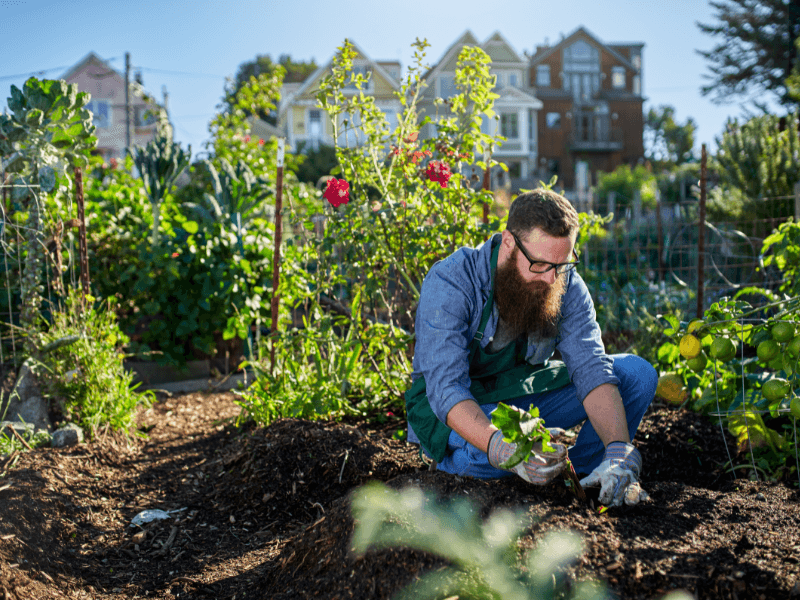
Harvesting vegetables at their peak is only the first step toward enjoying homegrown produce for weeks or even months. Knowing how to store fresh vegetables after harvest is essential for maintaining their flavor, texture, and nutritional value. Proper storage techniques can help prevent spoilage, reduce waste, and ensure you get the most from your garden’s bounty. Whether you’re a backyard gardener or just starting out, understanding the best ways to keep your vegetables fresh will make a noticeable difference in your kitchen.
Before diving into storage methods, it’s important to remember that the way you pick your vegetables can impact their shelf life. For tips on harvesting, see how to harvest vegetables correctly to maximize freshness from the start.
Understanding Vegetable Types and Their Storage Needs
Not all vegetables are created equal when it comes to storage. Some crops prefer cool, humid environments, while others last longer in dry, room-temperature conditions. Recognizing these differences is the foundation of keeping vegetables fresh after picking.
- Root vegetables (carrots, beets, potatoes): Prefer cool, dark, and humid places.
- Leafy greens (lettuce, spinach, kale): Need high humidity and refrigeration.
- Fruiting vegetables (tomatoes, peppers): Often do best at room temperature, away from direct sunlight.
- Alliums (onions, garlic): Store best in dry, well-ventilated areas.
Sorting your harvest by type will help you apply the right storage method for each crop, reducing spoilage and extending shelf life.
Preparing Vegetables for Storage
Before putting your vegetables away, take a few steps to prepare them for longer keeping:
- Clean gently: Remove excess dirt by brushing or rinsing lightly if needed. Avoid soaking, as excess moisture can promote rot.
- Dry thoroughly: Let vegetables air dry completely before storing, especially if you rinsed them.
- Trim greens: For root crops like carrots and beets, cut off leafy tops to prevent them from drawing moisture out of the root.
- Sort out damaged produce: Use any bruised or cut vegetables first, as these will spoil faster.
These simple steps help prevent mold and decay, setting the stage for optimal storage.
Best Practices for Storing Freshly Harvested Vegetables
Choosing the right storage environment is key to preserving your harvest. Here are some proven methods for different types of produce:
Cool, Dark, and Humid Storage
Many root vegetables and tubers, such as potatoes, carrots, and beets, thrive in a cool, dark, and humid space. Basements, root cellars, or even insulated boxes can work well. Store these crops in perforated bags or bins with some airflow to prevent mold. Avoid storing potatoes and onions together, as gases released by onions can cause potatoes to sprout.
Refrigeration for Greens and Tender Crops
Leafy greens, broccoli, and peas benefit from cold, moist conditions. Wrap them loosely in damp paper towels and place them in perforated plastic bags in the crisper drawer. This method helps maintain humidity and prevents wilting.
Room Temperature Storage
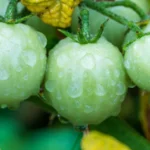
Some vegetables, like tomatoes, garlic, and winter squash, last longer at room temperature. Keep them in a single layer, out of direct sunlight, and with good air circulation. For tomatoes, avoid refrigeration as it can affect their texture and flavor.
Dry and Ventilated Areas for Alliums
Onions and garlic need a dry, well-ventilated space. Mesh bags, baskets, or even pantyhose can be used to hang them, allowing air to circulate and moisture to escape. This prevents rot and extends their storage life.
Tips for Maximizing Shelf Life
To get the most out of your harvest, consider these additional tips:
- Check regularly: Inspect stored vegetables weekly and remove any that show signs of spoilage.
- Keep storage areas clean: Sanitize bins, shelves, and containers before use to reduce the risk of mold and pests.
- Label and rotate: Mark storage dates and use older produce first to minimize waste.
- Monitor humidity: Use a moisture meter or hygrometer to ensure optimal conditions, especially for root crops.
By following these practices, you can enjoy your garden’s produce for much longer and reduce unnecessary loss.
Common Mistakes to Avoid When Storing Vegetables
Even with the best intentions, a few missteps can shorten the shelf life of your harvest. Here are some pitfalls to watch out for:
- Storing wet produce: Moisture encourages mold and rot. Always dry vegetables thoroughly before storage.
- Mixing incompatible crops: Some vegetables, like apples and tomatoes, emit ethylene gas, which can hasten ripening and spoilage in nearby produce.
- Overcrowding: Packed storage bins restrict airflow, leading to condensation and decay.
- Ignoring temperature fluctuations: Sudden temperature changes can cause sweating and spoilage, especially in root crops.
Avoiding these mistakes will help keep your vegetables in top condition for as long as possible.
Creative Storage Solutions for Small Spaces
If you don’t have a root cellar or large pantry, there are still plenty of ways to store your harvest effectively:
- Use containers: For those with limited space, consider the best containers for growing vegetables that can double as storage bins after harvest.
- Repurpose household items: Old baskets, crates, or even reusable grocery bags can be used to store produce in cool closets or under beds. For more ideas, check out how to reuse household items for gardening.
- Regrow scraps: Don’t toss vegetable ends—many can be regrown on a sunny windowsill. Learn more from regrow vegetables from kitchen waste for a sustainable approach.
These solutions make it easier to keep your produce fresh, even in apartments or urban homes.
Additional Resources for Gardeners
For those new to gardening or looking to improve their skills, there are many helpful guides available. For example, this beginner’s guide to starting a vegetable garden offers practical advice for planning, planting, and caring for your crops. Expanding your gardening knowledge will help you get the most from your harvest and storage efforts.
Frequently Asked Questions
How long do freshly picked vegetables last in storage?
The shelf life varies by type and storage method. Root vegetables like carrots and beets can last several months in a cool, humid environment. Leafy greens typically keep for up to a week in the refrigerator, while onions and garlic may last for months if stored in a dry, ventilated area.
Should I wash vegetables before storing them?
It’s best to brush off loose dirt but avoid washing vegetables before storage, as excess moisture can promote mold and rot. If you must rinse them, dry thoroughly before putting them away.
What is the best way to store tomatoes after harvest?
Tomatoes should be kept at room temperature, out of direct sunlight, and with good air circulation. Refrigeration can negatively affect their flavor and texture, so only refrigerate fully ripe tomatoes if you need to extend their shelf life by a few days.
Conclusion
Mastering the art of how to store fresh vegetables after harvest ensures that your hard work in the garden pays off long after picking. By understanding the needs of each crop, preparing them properly, and choosing the right storage solutions, you can enjoy delicious, homegrown produce throughout the season. For even more tips on sustainable gardening and creative storage, explore related guides like how to grow vegetables from scraps. With the right approach, your harvest can stay fresh and flavorful for as long as possible.