Container gardening has become a popular solution for anyone looking to grow fresh produce in limited spaces. Whether you have a small backyard, a balcony, or even just a sunny windowsill, choosing the best containers for growing vegetables can make a significant difference in your harvest. With the right setup, you can enjoy homegrown vegetables year-round, regardless of your available space.
This guide will walk you through the most effective types of containers, what to look for when shopping, and tips for maximizing your yields. If you’re interested in more creative solutions for tight spaces, check out how to grow food in limited space for practical small garden hacks.
Why Container Choice Matters for Vegetable Gardening
The type of vessel you use for your vegetable garden impacts everything from root development to water retention and disease prevention. Selecting the right containers for vegetables ensures your plants have enough room to grow, proper drainage, and the correct environment for healthy yields.
Some vegetables, such as tomatoes and peppers, require deeper pots for their roots, while leafy greens can thrive in shallower trays. The material—be it plastic, ceramic, fabric, or metal—also affects moisture levels and temperature regulation.
Top Types of Containers for Vegetables
Let’s explore the most effective options for growing vegetables in containers, along with their pros and cons.
1. Raised Planter Beds
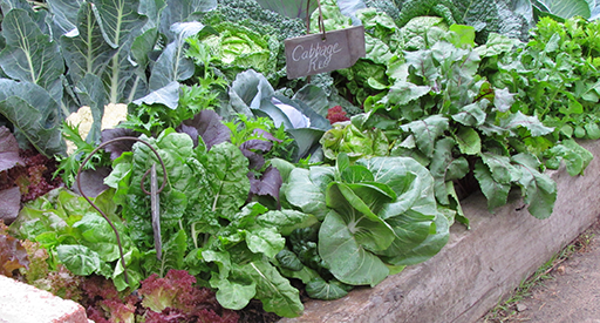
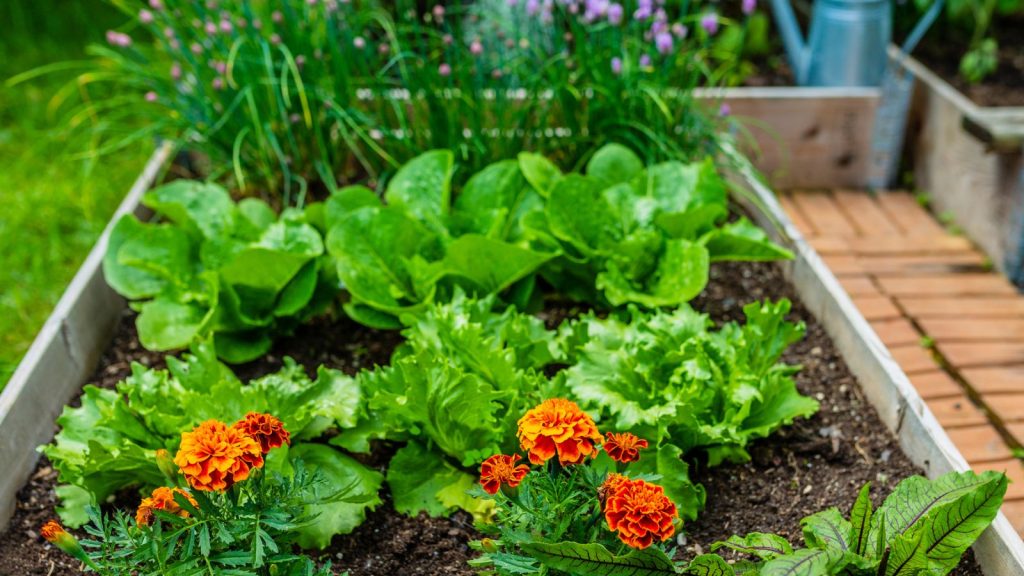
Raised beds are ideal for gardeners who want to maximize space and minimize bending. These large, elevated boxes provide ample soil depth, excellent drainage, and help keep pests at bay. They’re perfect for root crops, tomatoes, and sprawling plants like zucchini.
- Pros: Large growing area, easy to manage, good for deep-rooted vegetables.
- Cons: Require more soil and initial setup; may not be suitable for very small spaces.
2. Grow Bags and Fabric Pots
Fabric containers have surged in popularity due to their breathability and portability. They allow roots to air-prune, which encourages healthy growth and prevents root circling. Grow bags are lightweight, easy to move, and come in various sizes for everything from herbs to potatoes.
- Pros: Lightweight, affordable, promote healthy roots, easy to store off-season.
- Cons: Dry out faster than rigid pots, may need more frequent watering.
3. Plastic and Resin Pots
Plastic containers are widely available and come in every shape and size. They retain moisture well and are generally less expensive than ceramic or metal options. Look for food-safe, UV-resistant plastics to ensure longevity and safety for edible plants.
- Pros: Affordable, lightweight, retain moisture, easy to clean.
- Cons: Can heat up quickly in direct sun, may become brittle over time.
4. Ceramic and Clay Pots
Terracotta and glazed ceramic pots are attractive and provide good insulation for plant roots. However, unglazed clay is porous and can dry out quickly, so these are best for herbs or vegetables that prefer drier conditions.
- Pros: Attractive, stable, good for temperature regulation.
- Cons: Heavy, can crack in freezing temperatures, may require more frequent watering.
5. Upcycled and DIY Containers
Repurposing buckets, crates, or even old sinks is a sustainable way to create unique vegetable planters. Just ensure any reused container has adequate drainage and is made from materials safe for food crops. For detailed advice, see these tips on how to grow vegetables in buckets.
What to Look for When Choosing Vegetable Containers
To get the most from your container garden, keep these factors in mind:
- Size: Choose a container large enough for the mature size of your chosen vegetable. Deeper pots are needed for root crops and fruiting plants.
- Drainage: Ensure there are holes at the bottom to prevent waterlogging, which can cause root rot.
- Material: Consider the climate and your watering habits. Fabric and clay breathe more but dry out faster, while plastic retains moisture.
- Mobility: If you plan to move your containers, opt for lighter materials or add wheels to larger planters.
- Safety: Use food-safe materials, especially when upcycling.
Best Container Sizes for Popular Vegetables
Matching the right pot size to your crop is crucial. Here’s a quick reference for some common vegetables:
| Vegetable | Minimum Depth | Recommended Container Size |
|---|---|---|
| Tomatoes | 12–18 inches | 5+ gallons |
| Carrots | 12 inches | Deep window box or bucket |
| Lettuce/Greens | 6–8 inches | Shallow tray or wide pot |
| Peppers | 10–12 inches | 3–5 gallons |
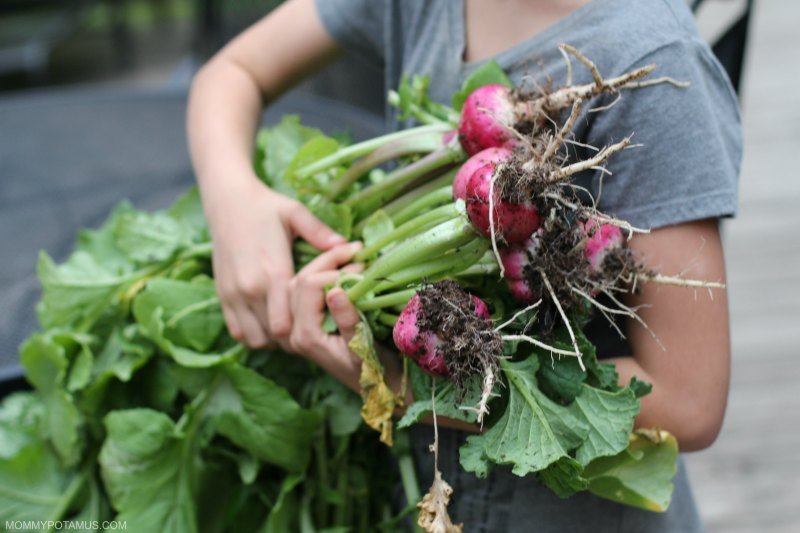
| Radishes | 6 inches | Small pot or box |
Tips for Success with Container Vegetables
- Use high-quality potting mix designed for containers. Avoid garden soil, which can compact and drain poorly.
- Monitor moisture closely. Containers dry out faster than ground beds, so check often and water as needed. A soil moisture meter can help prevent over- or under-watering.
- Feed your plants regularly with a balanced, slow-release fertilizer or compost tea.
- Group containers by sunlight needs and water requirements for easier care.
- Rotate crops and refresh soil each season to prevent disease buildup.
If you’re gardening on a balcony, you’ll find more tailored advice in this guide to growing vegetables in balcony gardens.
Common Mistakes to Avoid in Container Vegetable Gardening
- Overcrowding: Give each plant enough space to mature. Crowded roots lead to stunted growth and disease.
- Poor Drainage: Always check for drainage holes. Soggy soil can quickly kill vegetables.
- Wrong Container Size: Don’t underestimate how much room vegetables need. Err on the side of larger pots for best results.
- Neglecting Sunlight: Most vegetables need at least 6 hours of direct sun daily. Move containers as needed to catch the light.
Resources for New Container Gardeners
If you’re just starting out, there are plenty of resources to help you succeed. For a comprehensive beginner’s overview, see this beginner’s guide to vegetable gardening. Urban dwellers can also explore urban gardening ideas for beginners for more inspiration.
Frequently Asked Questions
What size container is best for tomatoes and peppers?
Tomatoes and peppers both require deep, spacious containers. For tomatoes, use a pot at least 12–18 inches deep and 5 gallons or larger. Peppers do well in 3–5 gallon pots with a minimum depth of 10–12 inches.
Can I reuse soil in my vegetable containers?
It’s possible to reuse soil, but it’s best to refresh it each season by removing old roots, adding compost, and mixing in fresh potting mix. This helps prevent disease and ensures your plants get enough nutrients.
How often should I water vegetables in containers?
Container-grown vegetables typically need more frequent watering than those in the ground. Check moisture daily, especially in hot weather. Water when the top inch of soil feels dry, and consider using a soil moisture meter for accuracy.
Conclusion
Choosing the best containers for growing vegetables is a key step toward a productive and enjoyable home garden. By considering size, material, and drainage, you’ll set your plants up for success. With the right care and a little experimentation, even the smallest spaces can yield a bountiful harvest. For more tips on maximizing your space, see these high-intensity small garden tips.