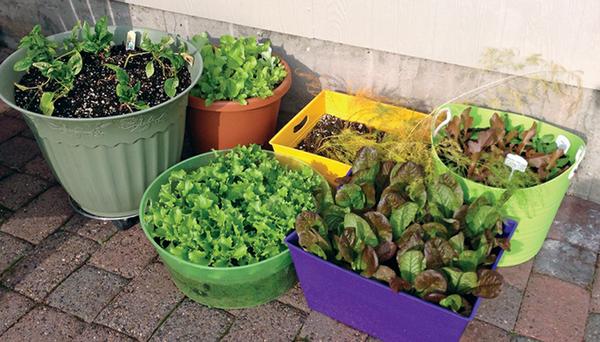
Urban living, small yards, and balconies don’t have to mean giving up on homegrown produce. With a little creativity and the right techniques, you can cultivate a productive garden even when space is tight. Learning how to grow food in limited space opens up possibilities for fresh herbs, vegetables, and fruits right at your doorstep. This guide will walk you through practical strategies, clever hacks, and essential tools to make the most of every square foot.
Whether you’re working with a tiny patio, a sunny windowsill, or a compact backyard, there are proven ways to maximize your harvest. By focusing on vertical gardening, container setups, and smart plant choices, you’ll discover that a bountiful garden is possible almost anywhere. For even more ideas on optimizing your growing area, check out how to maximize small garden space for high-intensity tips tailored to small plots.
Choosing the Right Crops for Compact Gardens
The first step in making the most of a small growing area is selecting crops that thrive in close quarters. Look for varieties that are naturally compact, fast-growing, or well-suited to containers. Leafy greens like lettuce, spinach, and arugula are excellent choices, as they don’t require deep roots and can be harvested multiple times. Herbs such as basil, parsley, and chives are also ideal for pots and window boxes.
For those interested in fruiting vegetables, cherry tomatoes, bush beans, and dwarf pepper plants are all reliable options. Many seed companies now offer “patio” or “mini” versions of popular vegetables bred specifically for small spaces. When planning your garden, prioritize crops you enjoy eating and those that provide a high yield per square foot.
Vertical Gardening: Going Up Instead of Out
When horizontal space is limited, vertical gardening is a game-changer. By training plants to grow upward, you can multiply your growing area and create lush green walls. Trellises, hanging baskets, and wall-mounted planters are all effective tools for this approach. Vining crops like peas, pole beans, cucumbers, and even some squash varieties can be grown vertically with the right support.
Stackable planters and pocket gardens allow you to layer multiple crops in a single footprint. These systems are perfect for balconies or patios where ground space is at a premium. Not only does vertical gardening increase your harvest, but it also improves air circulation and makes tending your plants easier.
Container Gardening: Flexible Solutions for Any Space
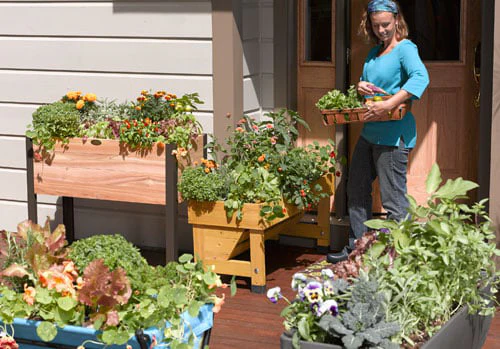
One of the most effective ways to practice how to grow food in limited space is by using containers. Pots, grow bags, and raised beds can be placed on patios, balconies, rooftops, or even along walkways. The key is to choose containers that are large enough for your crops’ root systems and have adequate drainage.
Mix and match different container sizes to fit your available space. Shallow-rooted crops like radishes and greens do well in smaller pots, while tomatoes and peppers need deeper containers. Using high-quality potting mix and regularly feeding your plants with organic fertilizer will help ensure robust growth.
For those new to container gardening, it’s helpful to monitor soil moisture closely. Overwatering and underwatering are common issues in pots. Tools like a soil moisture meter can help you keep conditions just right. For more on watering best practices, see signs of overwatering plants and signs of underwatering plants for troubleshooting tips.
Succession Planting and Intensive Spacing
To maximize your harvest in a small area, practice succession planting—sowing new crops as soon as previous ones are finished. This keeps your garden productive throughout the season. For example, after harvesting early lettuce, you can plant bush beans or carrots in the same spot.
Intensive spacing, also known as square foot gardening, involves planting crops closer together than traditional row gardening. This method shades the soil, reduces weeds, and boosts yields. Just be sure to provide enough nutrients and water to support the denser plantings.
For additional strategies on dense planting, explore how to prune vegetable plants to maintain healthy growth and how to stake tomato plants properly for supporting fruit-heavy varieties.
Soil, Water, and Sunlight: Essentials for Success
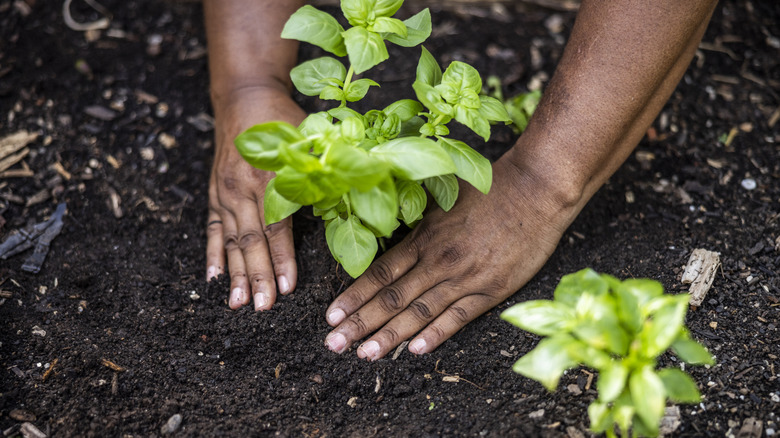
No matter how small your garden, the basics of plant care remain the same. Use a high-quality potting mix or amend your soil with compost to provide nutrients. Most vegetables need at least six hours of sunlight per day, so place containers and beds where they’ll get maximum exposure.
Watering can be tricky in confined spaces, as pots dry out faster than in-ground beds. Check soil moisture regularly and water deeply when needed. Mulching the surface of containers helps retain moisture and keeps roots cool. If you’re unsure about your watering habits, a soil moisture meter is a valuable tool for preventing both drought stress and overwatering.
Smart Tools and Resources for Small-Space Gardeners
Making the most of a compact garden often comes down to using the right tools. Raised planter beds help organize your space and improve drainage, while soil moisture meters take the guesswork out of watering. Stackable planters, vertical trellises, and self-watering pots are also worth considering.
For more in-depth advice and inspiration, explore resources like vegetable gardening guides for small spaces. These guides offer practical tips on crop selection, layout, and troubleshooting common issues.
Harvesting and Maintaining Your Mini Garden
Frequent harvesting encourages many plants to keep producing. Pick leafy greens and herbs regularly to promote new growth. For fruiting crops like tomatoes and peppers, remove ripe produce promptly to allow the plant to focus energy on developing new fruits.
Keep an eye out for pests and diseases, which can spread quickly in dense plantings. Remove any affected leaves and use organic controls as needed. Regularly prune and stake plants to maintain airflow and prevent overcrowding. These small steps will help ensure a healthy, productive garden all season long.
Frequently Asked Questions
What are the best vegetables to grow in small spaces?
Leafy greens (lettuce, spinach, arugula), herbs (basil, parsley, chives), cherry tomatoes, bush beans, radishes, and dwarf peppers are all excellent choices for compact gardens. These crops are productive, don’t require much space, and can thrive in containers or vertical setups.
How can I maximize sunlight for my container garden?
Place containers in the sunniest spot available, such as a south-facing balcony or patio. Use reflective surfaces like light-colored walls to bounce additional light onto your plants. If sunlight is limited, consider rotating containers throughout the day or using grow lights indoors.
How often should I water plants in small containers?
Containers dry out faster than garden beds, especially in warm weather. Check soil moisture daily by feeling the top inch of soil. Water thoroughly when it feels dry. Using a soil moisture meter can help you maintain the right balance and avoid overwatering or underwatering.
Conclusion
With the right approach, even the smallest spaces can yield a surprising amount of fresh produce. By choosing suitable crops, embracing vertical and container gardening, and using smart tools, you’ll enjoy the rewards of homegrown food no matter where you live. For more tips on getting the most from your garden, revisit how to maximize small garden space and explore other resources on high-intensity gardening techniques.