Tomatoes are a favorite among home gardeners, but their sprawling growth habit can lead to tangled stems, disease, and reduced harvests if not managed well. Learning how to stake tomato plants properly is essential for keeping your garden tidy and ensuring your plants produce healthy, abundant fruit. Proper support not only prevents breakage and rot but also makes harvesting easier and reduces pest problems.
Before diving into the best staking techniques, it’s important to understand why support is crucial for tomatoes. Unlike bushy crops, tomatoes—especially indeterminate varieties—grow tall and heavy with fruit. Without adequate support, stems can snap under their own weight, and fruit may rest on the soil, making them vulnerable to rot and pests. By using the right staking method, you can maximize your yields and keep your plants thriving all season long.
For gardeners looking to avoid common mistakes in vegetable gardening, mastering tomato support is a foundational skill. Let’s explore the most effective ways to keep your tomato plants upright, healthy, and productive.
Why Tomato Plants Need Staking
Tomato plants, particularly indeterminate types, can grow over six feet tall and produce heavy clusters of fruit. Without support, these plants are prone to:
- Broken stems from the weight of developing tomatoes
- Fruit rot when tomatoes rest on moist soil
- Increased disease due to poor air circulation and soil contact
- Pest infestations as fruit becomes more accessible to slugs and insects
Staking keeps foliage and fruit off the ground, improving airflow and sunlight exposure. This helps prevent fungal diseases and makes it easier to spot ripening fruit. For new gardeners, staking is one of the easiest ways to boost yields and reduce plant problems.
Choosing the Right Support System
There are several methods for supporting tomatoes, each with advantages depending on your garden space, tomato variety, and personal preference. Here are the most popular options:
- Single Stakes: A classic method using a sturdy stake driven into the ground next to each plant.
- Cages: Wire cages surround the plant, supporting stems as they grow.
- Trellises: Vertical or horizontal frameworks for training multiple plants.
- Florida Weave: A technique using stakes and twine to support a row of tomatoes.
For container gardens or raised beds, compact cages or short stakes may be best. In larger gardens, the Florida weave or tall stakes offer robust support for many plants. If you’re new to vegetable gardening, you might find helpful tips in this beginner’s guide to easy crops.

Step-by-Step: How to Stake Tomato Plants for Maximum Support
To ensure your tomato plants grow strong and productive, follow these steps for proper staking:
-
Choose Your Stakes or Cages:
- Use wooden, bamboo, or metal stakes at least 6 feet tall for indeterminate tomatoes.
- For determinate (bush) varieties, 3-4 foot stakes or small cages are sufficient.
- Wire cages should be sturdy and wide enough to accommodate mature plants.
-
Install Supports Early:
- Place stakes or cages at planting time to avoid damaging roots later.
- Drive stakes 8-12 inches into the soil, about 2-3 inches from the main stem.
-
Tie Plants Securely:
- Use soft garden twine, cloth strips, or tomato clips to attach stems to supports.
- Tie loosely in a figure-eight pattern to prevent constricting the stem.
- Start tying when plants are 12-18 inches tall and continue as they grow.
-
Prune for Better Support:
- Remove lower leaves and suckers (side shoots) to focus growth and reduce disease.
- Pruning helps air circulate and makes staking more effective.
-
Monitor and Adjust:
- Check ties weekly and adjust as plants grow.
- Replace damaged stakes or cages as needed.
Following these steps ensures your tomatoes stay upright, healthy, and easy to harvest. For more on keeping plants healthy, see how to fix nutrient deficiencies in plants.
Best Practices for Staking Tomatoes in Different Garden Setups
Whether you’re growing tomatoes in the ground, raised beds, or containers, the principles of support remain the same, but the materials and methods may vary:
- In-Ground Gardens: Use tall stakes or large cages for indeterminate varieties. The Florida weave is ideal for rows.
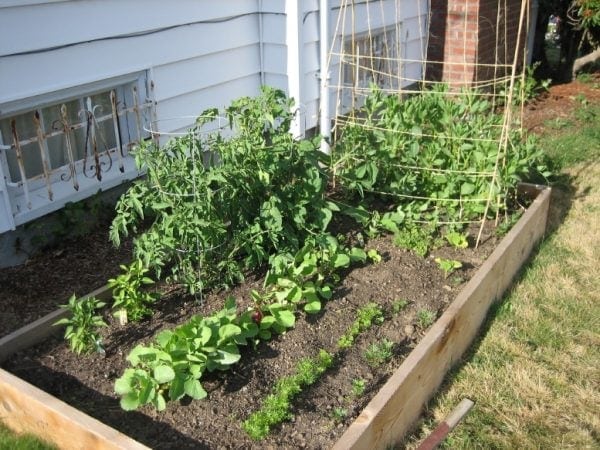
- Raised Beds: Opt for medium-height cages or stakes. Raised beds offer better drainage, but plants still need support as they grow.
- Containers: Compact cages or short stakes work well. Choose containers at least 18 inches deep to accommodate root growth.
Regardless of your setup, always install supports at planting time and check them regularly throughout the season. If you’re unsure about your soil’s moisture, a soil moisture meter can help you avoid over- or under-watering, which is especially important for container-grown tomatoes.
Common Mistakes When Supporting Tomato Plants
Even experienced gardeners sometimes struggle with tomato support. Here are some frequent errors to avoid:
- Waiting too long to stake: Adding supports after plants are established can damage roots and make training difficult.
- Using weak or short stakes: Flimsy supports may collapse under the weight of mature plants.
- Tying too tightly: Restricting stem growth can injure the plant and reduce yields.
- Neglecting regular checks: As plants grow, ties may need loosening and supports may need reinforcement.
By avoiding these pitfalls, you’ll ensure your tomato plants remain healthy and productive throughout the growing season. For more troubleshooting tips, check out why vegetable plants are not growing.
FAQ: Tomato Plant Support and Staking
When should I start staking my tomato plants?
It’s best to install stakes or cages at the time of planting. This prevents root disturbance and gives young plants immediate support as they begin to grow.
What materials are safe for tying tomato stems?
Use soft materials like garden twine, cloth strips, or commercial tomato clips. Avoid wire or rough string, which can cut into stems as they thicken.
How often should I check and adjust my tomato supports?
Inspect your plants weekly. As tomatoes grow, stems may need to be retied higher up, and ties may need loosening to prevent constriction. Also, check that stakes or cages remain sturdy after storms or heavy winds.
Can I reuse tomato cages and stakes from year to year?
Yes, as long as they are still sturdy and free from disease. Clean supports with a mild bleach solution at the end of the season to prevent the spread of pathogens.
Do determinate and indeterminate tomatoes need different support?
Determinate (bush) varieties are more compact and usually need shorter stakes or cages, while indeterminate types require taller, stronger supports due to their continuous growth and heavier fruit load.
Supporting your tomato plants with the right staking method is one of the simplest ways to improve your harvest and reduce garden headaches. With these practical tips, you’ll be well on your way to enjoying a bountiful tomato crop season after season.