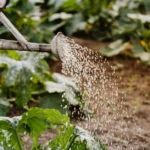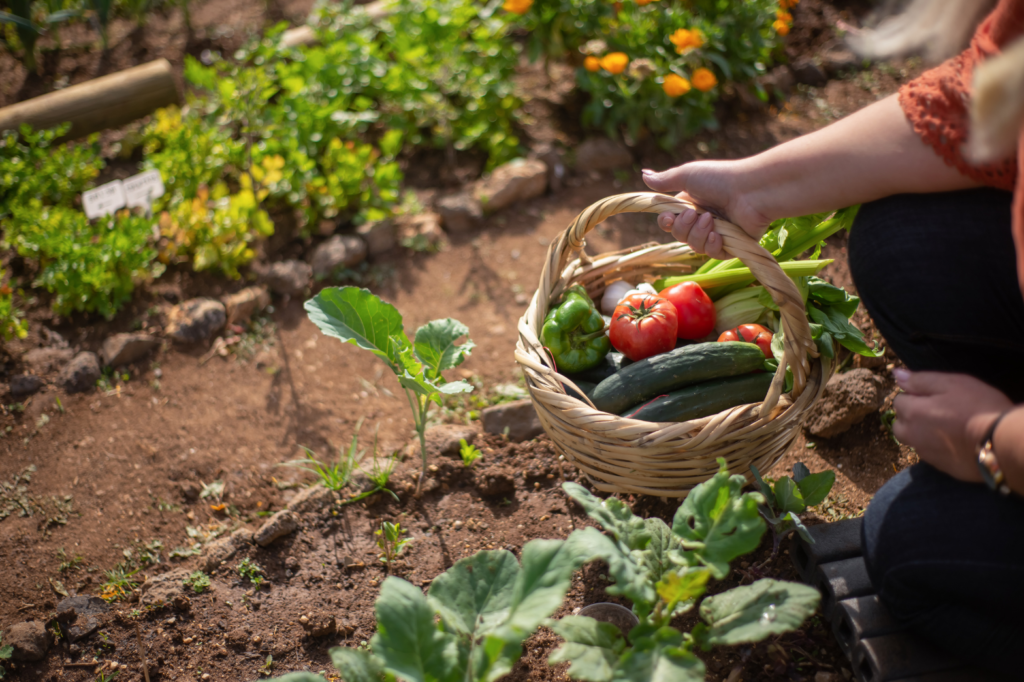
Proper watering is essential for healthy, thriving plants, but many gardeners struggle to find the right balance between keeping their plants hydrated and conserving resources. Learning how to water plants efficiently can help you save both water and time, while ensuring your garden flourishes. Whether you’re tending to vegetables, flowers, or houseplants, adopting smart irrigation practices can make a significant difference in plant health and your overall gardening experience.
Efficient watering isn’t just about frequency—it’s about understanding your plants’ needs, the condition of your soil, and the best techniques for delivering moisture where it matters most. By making a few adjustments to your routine, you can reduce waste, prevent common problems like root rot, and even boost your harvest. If you’re also interested in optimizing your soil for better results, you might want to explore how to adjust soil pH for vegetables for a healthier garden foundation.
Understanding Your Plants’ Water Needs
Every plant species has unique requirements when it comes to moisture. Some, like succulents, prefer drier conditions, while others, such as leafy greens, need consistent hydration. Factors such as plant age, root depth, and growth stage also play a role. Observing your plants and researching their specific needs is the first step toward watering efficiently.
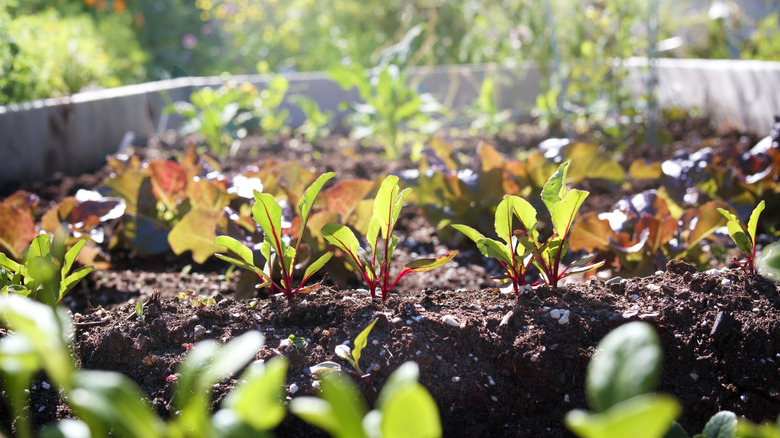
- Young seedlings require frequent, gentle watering to establish roots.
- Established plants often benefit from deeper, less frequent watering that encourages roots to grow downward.
- Consider the time of year—plants generally need more water during hot, dry spells and less during cooler, rainy periods.
For more tips on supporting young plants, see how to thin seedlings properly for a healthier harvest.
Soil and Its Impact on Watering
The type of soil in your garden directly affects how water is absorbed and retained. Sandy soils drain quickly, requiring more frequent watering, while clay soils hold moisture longer but may become waterlogged. Loamy soils offer the best of both worlds, providing good drainage and moisture retention.
To determine your soil type, take a handful of moist soil and squeeze it. Sandy soil will fall apart, clay will hold its shape, and loam will form a crumbly ball. Amending your soil with organic matter can improve its structure and help you water plants more effectively. If you’re unsure about your soil’s composition, consider learning how to test soil at home for accurate results.
Best Times and Methods for Watering
Timing is crucial for minimizing water loss and promoting healthy growth. The most effective time to water is early in the morning or late in the afternoon, when temperatures are cooler and evaporation rates are lower. Avoid watering during the heat of the day, as much of the moisture will evaporate before reaching the roots.
When it comes to technique, aim to water at the base of the plant rather than overhead. This reduces the risk of fungal diseases and ensures that water reaches the root zone where it’s needed most. Using a soaker hose or drip irrigation system is one of the most efficient ways to water your garden, as these methods deliver moisture directly to the soil with minimal waste.
Tools and Gadgets for Smarter Watering
Modern gardening offers a range of tools to help you water efficiently. A soil moisture meter, for example, takes the guesswork out of knowing when to water. These devices measure the moisture content at root level, letting you avoid both underwatering and overwatering. Drip irrigation kits and soaker hoses automate the process, ensuring consistent moisture while reducing manual labor.
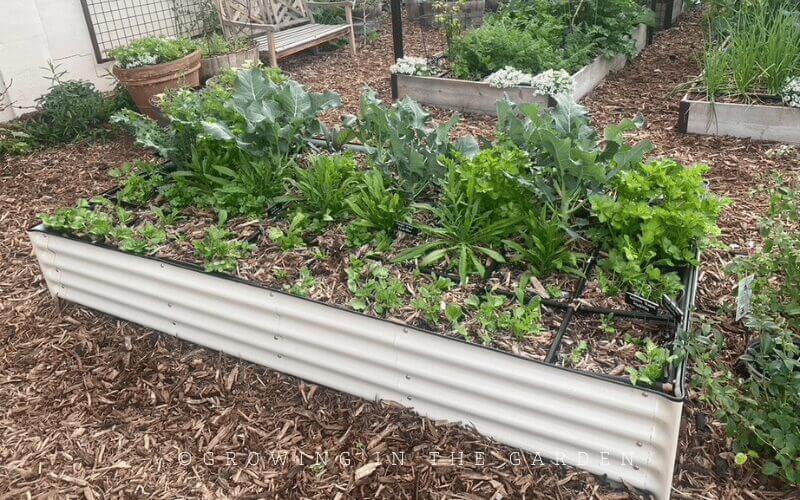
Raised beds can also help with water management by improving drainage and allowing you to target irrigation more precisely. For those just starting out, there are helpful guides on easy crops for beginners and how to grow them that often include water-saving tips.
Mulching and Other Water-Saving Strategies
Mulch is one of the most effective ways to reduce water loss in your garden. By covering the soil with organic materials like straw, wood chips, or compost, you can slow evaporation, suppress weeds, and keep roots cool. A layer of mulch also helps prevent soil compaction and erosion, further supporting plant health.
Other strategies for saving water while gardening include:
- Grouping plants with similar water needs together.
- Collecting rainwater in barrels for irrigation.
- Using watering cans or hoses with adjustable nozzles for targeted application.
- Regularly checking for leaks in hoses or irrigation systems.
Common Mistakes to Avoid
Even experienced gardeners can fall into habits that waste water or harm plants. Here are some pitfalls to watch out for:
- Overwatering: Too much moisture can suffocate roots and promote disease.
- Watering too shallowly: Light, frequent watering encourages shallow roots, making plants less drought-tolerant.
- Ignoring soil conditions: Not all soils hold water the same way. Adjust your approach based on your garden’s unique characteristics.
- Neglecting weather patterns: Watering right before a rainstorm wastes resources. Check the forecast and adjust as needed.
For more on improving your garden’s foundation, see how to improve soil fertility naturally for better crops.
FAQ: Efficient Watering for Gardeners
How can I tell if my plants need water?
The best way to check is to feel the soil a couple of inches below the surface. If it feels dry, it’s time to water. Some plants also show signs of thirst, such as wilting or dull leaves. Using a soil moisture meter can provide more precise information.
Is it better to water in the morning or evening?
Watering in the early morning is generally best, as it allows moisture to soak in before the heat of the day increases evaporation. Evening watering is also acceptable, but avoid leaving foliage wet overnight to reduce the risk of disease.
What’s the most water-efficient way to irrigate a garden?
Drip irrigation and soaker hoses are among the most efficient methods, as they deliver water directly to the root zone with minimal evaporation. Mulching and grouping plants with similar needs also help maximize efficiency.
Conclusion
Mastering how to water plants efficiently is a valuable skill for any gardener. By understanding your plants’ needs, improving your soil, using the right tools, and adopting smart watering habits, you can save water, reduce effort, and enjoy a more productive garden. Small changes in your routine can yield big results, leading to healthier plants and a more sustainable gardening experience.