Growing your own beans is one of the most rewarding ways to make the most of a compact outdoor area. Beans are productive, nutritious, and surprisingly easy to cultivate even when space is limited. Whether you have a tiny backyard, a balcony, or just a few containers, learning how to grow beans in small gardens can help you harvest fresh pods all season long. This guide covers the best strategies for maximizing yields, choosing the right varieties, and making every square foot count.
Before diving into the practical steps, it’s helpful to understand the basics of bean growth. Beans are fast-growing annuals that thrive in well-drained soil and full sun. They come in two main types: bush beans, which stay compact, and pole beans, which climb and need support. Both types can be adapted to small spaces with the right techniques.
For those interested in optimizing their planting combinations, you might also want to explore what vegetables grow well together to boost your garden’s productivity and health.
Choosing the Best Bean Varieties for Compact Spaces
When space is at a premium, variety selection is crucial. Bush beans are often preferred for small plots and containers because they don’t require trellising and mature quickly. Pole beans, on the other hand, grow vertically and can be trained up supports, making them ideal for maximizing vertical space.
- Bush beans: These remain under two feet tall and are perfect for raised beds, window boxes, or large pots. Popular varieties include ‘Provider’, ‘Contender’, and ‘Blue Lake Bush’.
- Pole beans: These vining types can reach six feet or more and need a trellis, teepee, or fence. They produce over a longer period, offering a steady harvest. Try ‘Kentucky Blue’, ‘Scarlet Runner’, or ‘Fortex’ for reliable results.
For even more ideas on what to grow indoors or in tight spots, check out this guide on the best vegetables for indoor gardening.
Preparing Soil and Containers for Beans
Beans thrive in loose, fertile soil with good drainage. If you’re working with raised beds or containers, fill them with a quality vegetable mix. For ground planting, enrich the area with compost before sowing. Beans don’t need much fertilizer, but they do benefit from organic matter.
- Choose containers at least 8–10 inches deep for bush beans and 12 inches deep for pole beans.
- Ensure pots have drainage holes to prevent waterlogging.
- Use a soil moisture meter to keep track of watering needs and avoid over- or under-watering.

Planting Techniques for Limited Garden Areas
Direct sowing is the easiest way to start beans. Wait until the soil is at least 60°F (16°C) and all danger of frost has passed. Plant seeds about 1 inch deep and 2–4 inches apart. For bush beans, space rows 18 inches apart; for pole beans, plant in small clusters around supports.
Maximize space by using intensive planting methods:
- Square foot gardening: Plant bush beans 9 per square foot, or pole beans 4 per square foot with a central support.
- Vertical gardening: Train pole beans up trellises, fences, or even balcony railings to free up ground space for other crops.
- Succession sowing: Plant a new batch of beans every 2–3 weeks for a continuous harvest.
For more on mixing crops in small beds, see these tips on growing herbs and vegetables together.
Supporting and Training Climbing Beans
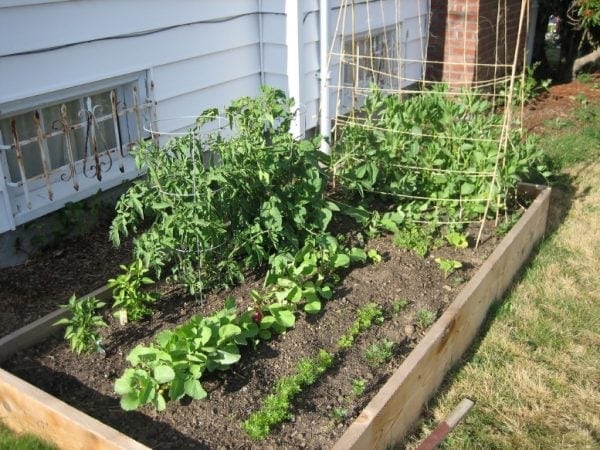
Vertical supports are essential for pole beans. Use bamboo canes, string trellises, or sturdy mesh. Arrange supports before planting to avoid disturbing roots later. As vines grow, gently guide them onto the structure. This approach not only saves space but also improves air circulation and makes harvesting easier.
Creative supports can add visual interest to your garden. Try teepees made from branches, or string a net between posts. Even in containers, a single pole or tripod can support several plants.
Watering, Feeding, and Maintaining Healthy Plants
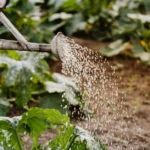
Beans need consistent moisture, especially during flowering and pod development. Water deeply when the top inch of soil feels dry, but avoid soggy conditions. Mulch around plants to retain moisture and suppress weeds. Using a soil moisture meter can help you avoid common watering mistakes.
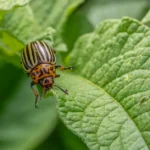
Beans fix their own nitrogen, so they rarely need extra fertilizer. However, a light feeding of compost tea or balanced organic fertilizer at planting can give them a good start. Remove any yellowing leaves and check regularly for pests like aphids or bean beetles.
For those new to vegetable gardening, this beginner’s guide to easy crops offers more helpful tips for starting out.
Harvesting and Maximizing Yields in Small Spaces
Beans are ready to pick when pods are firm and snap easily. Harvest regularly to encourage more production. Bush beans usually mature in 50–60 days, while pole beans take a bit longer but keep producing over several weeks.
- Pick beans every 2–3 days to keep plants productive.
- Use two hands to avoid damaging stems when harvesting.
- For dried beans, leave pods on the plant until they turn brown and rattle when shaken.
To further boost your harvest, consider companion planting. Some flowers and vegetables can help deter pests and improve yields. Explore the companion planting chart for vegetables for more ideas.
Common Challenges and Solutions for Urban Bean Growers
Small gardens come with unique challenges, but most can be overcome with a little planning:
- Limited sunlight: Place containers or beds where they receive at least 6 hours of direct sun daily.
- Poor drainage: Use raised beds or pots with good drainage holes, and avoid heavy clay soils.
- Pests: Inspect plants regularly and use row covers or hand-pick insects if needed.
- Space competition: Avoid overcrowding by following recommended spacing and using vertical supports.
With these strategies, even the smallest garden can yield a generous bean harvest.
Frequently Asked Questions
Can I grow beans indoors or on a balcony?
Yes, beans can be grown indoors or on balconies as long as they receive enough sunlight. Use deep containers and provide support for climbing types. For more on indoor options, see the best vegetables for indoor gardening guide.
How often should I water beans in containers?
Container-grown beans may need watering every 1–2 days during hot weather. Always check soil moisture before watering to avoid root rot. A soil moisture meter can help maintain the right balance.
What are the best companion plants for beans?
Beans pair well with carrots, cucumbers, and marigolds. Avoid planting them near onions or garlic. For more details, refer to the best companion plants for tomatoes article, which covers compatible vegetables and flowers.
By following these practical tips and making the most of your available space, you can enjoy a steady supply of fresh beans from even the smallest garden. With careful planning and a little creativity, small-space gardening can be both productive and satisfying.