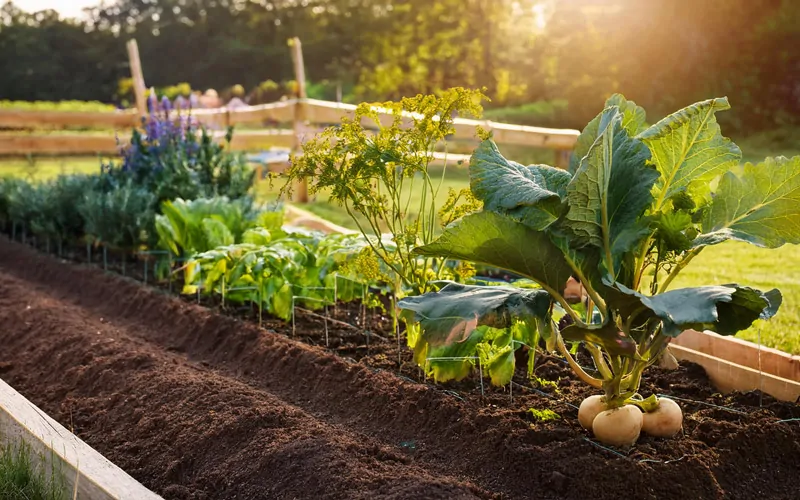
Raised bed gardening offers a practical way to grow a variety of crops, especially for those seeking higher yields, easier maintenance, and improved soil conditions. Choosing the best vegetables for raised beds can make a significant difference in productivity and overall gardening satisfaction. Whether you’re a beginner or a seasoned grower, understanding which crops thrive in these contained environments will help you maximize your harvests and enjoy a more rewarding gardening experience.
Raised beds are ideal for managing soil quality, drainage, and pest control. They also allow for closer planting, which can lead to better yields in smaller spaces. If you’re interested in constructing your own setup, check out this detailed guide on how to build a raised garden bed for step-by-step instructions and tips.
Why Raised Beds Are Perfect for Vegetable Gardening
There are several reasons why gardeners prefer raised beds for growing vegetables. The contained environment allows for better control over soil composition, moisture, and nutrients. Raised beds also warm up faster in spring, extending the growing season for many crops. The elevation helps reduce issues with soil compaction and makes it easier to manage weeds and pests. For those with limited mobility, raised beds offer a more accessible gardening solution.
These advantages make it possible to grow a wide range of vegetables efficiently. By selecting crops that are well-suited to this method, you can enjoy abundant harvests even in compact spaces.
Top High-Yield Crops for Raised Beds
When planning your raised bed garden, focus on vegetables that offer high productivity and benefit from the unique conditions of contained beds. Here are some of the top choices for maximizing your harvest:
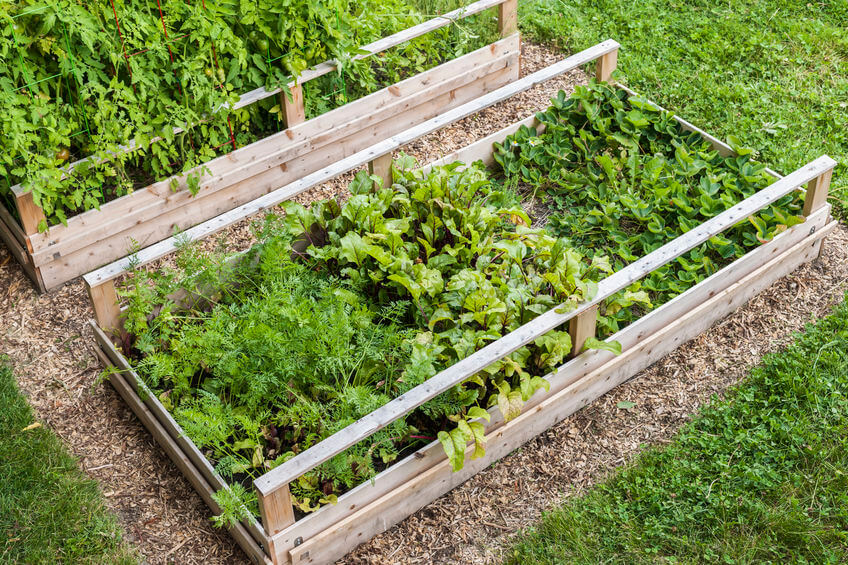
Leafy Greens: Spinach, Lettuce, and Kale
Leafy greens are among the best vegetables for raised beds due to their shallow roots and quick growth. Varieties like spinach, lettuce, and kale can be sown closely together, allowing for multiple harvests throughout the season. Raised beds provide the loose, fertile soil these crops love, resulting in tender leaves and rapid regrowth after cutting.
- Spinach: Thrives in cool weather and can be harvested as baby greens or mature leaves.
- Lettuce: Offers a range of types, from crispheads to loose-leaf, and is perfect for succession planting.
- Kale: Hardy and productive, kale can be picked over a long period, especially in raised beds with rich soil.
Root Vegetables: Carrots, Radishes, and Beets
Loose, well-drained soil in raised beds is ideal for root crops. Carrots, radishes, and beets all benefit from the absence of rocks and compacted earth, leading to straighter, healthier roots. These vegetables are well-suited for succession planting, providing ongoing harvests throughout the growing season.
- Carrots: Require deep, loose soil for best results. Raised beds make it easier to provide the right conditions.
- Radishes: Fast-growing and perfect for interplanting with slower crops.
- Beets: Both roots and greens are edible, making them a versatile choice for small spaces.
Fruit-Bearing Plants: Tomatoes, Peppers, and Bush Beans
Many fruiting vegetables perform exceptionally well in raised beds. Tomatoes and peppers benefit from the warmth and improved drainage, while bush beans thrive in the fertile, loose soil. These crops are known for their high yields and can be trained vertically to save space.
- Tomatoes: Choose determinate or compact indeterminate varieties for best results in raised beds.
- Peppers: Sweet and hot peppers both appreciate the consistent moisture and warmth of raised beds.
- Bush Beans: Quick to mature and productive, bush beans are easy to grow and harvest.
Vining Crops: Cucumbers and Zucchini
Vining vegetables like cucumbers and zucchini can be grown vertically in raised beds, making efficient use of space. Trellising these crops keeps the fruit clean and reduces the risk of disease. Raised beds provide the consistent moisture and fertile soil these heavy feeders require.
- Cucumbers: Train up a trellis to maximize yield and airflow.
- Zucchini: Compact bush varieties are ideal for smaller beds, while vining types can be guided up supports.
Tips for Maximizing Yields in Raised Beds
To get the most from your raised bed garden, consider these practical tips:
- Succession Planting: Replant quick-growing crops like radishes and lettuce every few weeks for continuous harvests.
- Companion Planting: Pair compatible vegetables to improve growth and deter pests. For example, plant basil with tomatoes or carrots with onions.
- Soil Health: Refresh your soil each season with compost and organic matter to maintain fertility and structure.
- Efficient Watering: Raised beds drain quickly, so monitor moisture levels and use mulch to retain water.
- Pest Management: Raised beds make it easier to spot and control pests. For eco-friendly options, see this article on natural pest control for vegetable plants.
Common Mistakes to Avoid
While raised beds are forgiving, a few common errors can reduce productivity:
- Overcrowding plants, which leads to poor airflow and increased disease risk.
- Neglecting soil amendments, resulting in depleted nutrients over time.
- Inconsistent watering, which can stress plants and reduce yields.
- Ignoring crop rotation, which can lead to pest and disease buildup.
Planning Your Raised Bed Layout
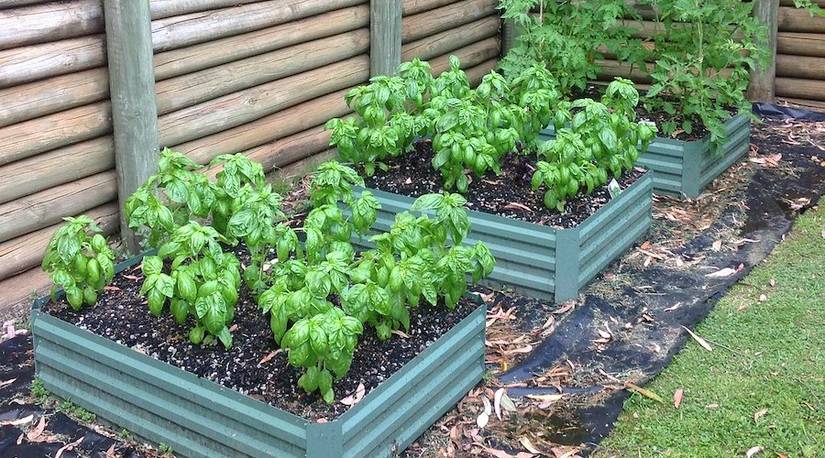
Efficient use of space is key to a productive raised bed. Group crops by height and growth habit, placing taller plants like tomatoes at the north end to avoid shading shorter crops. Use vertical supports for vining vegetables and interplant fast-growing greens between slower-maturing varieties. For more ideas on maximizing small spaces, explore these beginner gardening tips for small yards.
Organic Practices for Raised Bed Success
Adopting organic methods in your raised bed garden can improve soil health and crop quality. Use compost, aged manure, and organic fertilizers to feed your plants. Avoid synthetic chemicals and opt for natural pest deterrents. For more on chemical-free gardening, see this guide on how to grow vegetables organically.
Mulching with straw or shredded leaves helps retain moisture, suppress weeds, and add nutrients as it breaks down. Rotate crops each year to prevent soil-borne diseases and maintain balance in the garden ecosystem.
Further Resources and Inspiration
If you’re just starting out or want to deepen your knowledge, the vegetable gardening for beginners resource from the Old Farmer’s Almanac offers comprehensive advice on planning, planting, and caring for your crops. Combining these insights with the strategies outlined above will help you achieve a thriving, productive raised bed garden.
Frequently Asked Questions
What vegetables should I avoid planting in raised beds?
While most crops do well in raised beds, very large or deep-rooted plants like corn, pumpkins, and some perennial vegetables may outgrow the space or require more soil depth than typical beds provide. Stick to compact, high-yield varieties for best results.
How often should I amend the soil in my raised beds?
It’s best to add compost or organic matter at the start of each growing season. This replenishes nutrients and maintains the loose, fertile structure that vegetables need to thrive.
Can I grow vegetables year-round in raised beds?
With the right planning, you can extend your growing season by using cold frames, row covers, or planting cool-season crops in early spring and fall. Raised beds warm up quickly, making them ideal for early and late plantings.