Keeping your vegetable patch free from destructive insects and critters is a top priority for every home grower. Learning how to prevent pests in vegetable garden spaces is about more than just reacting to problems—it’s about building a healthy, resilient environment that discourages infestations before they start. By focusing on proactive strategies, you can protect your harvest, reduce the need for chemical interventions, and enjoy more productive seasons.
Whether you’re new to growing food or have years of experience, understanding the basics of pest prevention will help you maintain strong, vibrant plants. Early action, good garden hygiene, and smart planting choices all play a role in keeping unwanted visitors at bay. If you’re just starting out, you might also find these beginner gardening tips for small yards helpful for setting up a successful and manageable growing space.
Understanding Common Vegetable Garden Pests
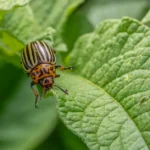
Before you can effectively keep pests away, it’s important to know which ones are most likely to appear in your garden. Some of the most frequent troublemakers include:
- Aphids: Tiny, sap-sucking insects that cluster on stems and leaves.
- Caterpillars: The larval stage of moths and butterflies, known for chewing holes in foliage.
- Slugs and Snails: Mollusks that feed on tender seedlings and leafy greens, leaving behind slimy trails.
- Flea Beetles: Small, jumping beetles that create small holes in leaves, especially in young plants.
- Squash Bugs and Cucumber Beetles: Pests that target cucurbits, causing wilting and spreading disease.
Recognizing the signs of these pests early—such as chewed leaves, sticky residue, or visible insects—allows you to take action before populations explode.
Soil Health and Garden Hygiene: The Foundation of Prevention
Healthy soil is the first line of defense against pest outbreaks. Strong, well-nourished plants are better equipped to withstand minor pest attacks and recover quickly. Here are some foundational practices:
- Rotate Crops: Avoid planting the same family of vegetables in the same spot year after year. Crop rotation disrupts pest life cycles and reduces soil-borne diseases.
- Use Quality Soil Mixes: Starting with the best soil mix for growing vegetables ensures your plants have the nutrients and structure they need to thrive.
- Remove Debris: Clear away dead leaves, weeds, and spent plants at the end of each season. Many pests overwinter in garden debris.
- Compost Properly: Only add healthy plant material to your compost pile. For a step-by-step approach, see how to compost kitchen waste for gardening.
Physical Barriers and Smart Garden Design
Physical barriers are a highly effective, chemical-free way to keep pests out of your garden beds. Consider these options:
- Row Covers: Lightweight fabric covers protect crops from flying insects and caterpillars while allowing sunlight and rain to reach the plants.
- Netting and Fencing: Mesh netting can deter birds and larger pests, while fine mesh or copper tape around beds helps keep out slugs and snails.
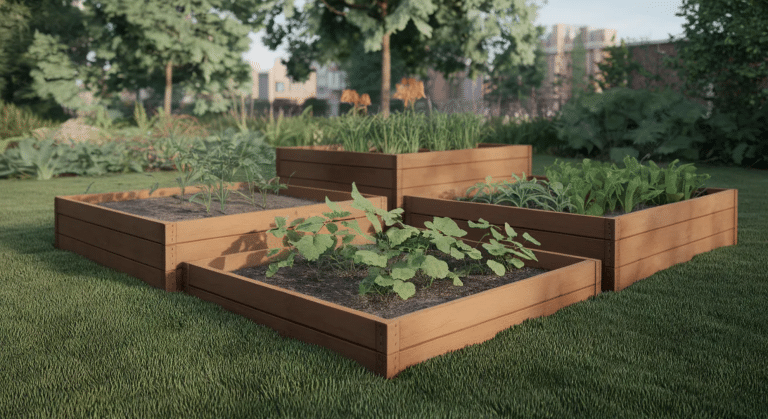
- Raised Beds: Growing in raised beds can make it harder for crawling pests to access your crops and improves drainage. If you’re interested in upgrading your setup, check out this Buy Raised Planter Bed option.
Designing your garden with wide paths and clear borders also makes it easier to spot and remove pests before they become a problem.
Watering and Mulching to Discourage Pests
Proper watering and mulching can make your garden less attractive to many common pests. Here’s how:
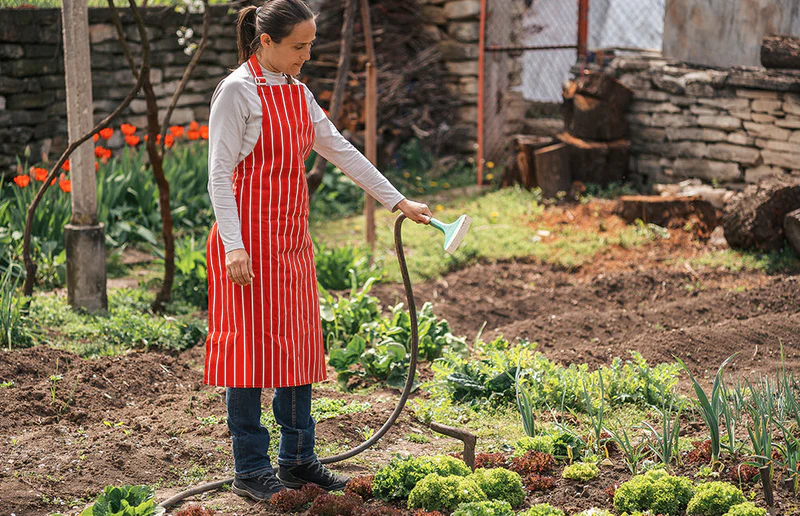
- Water Early in the Day: Wet foliage at night can encourage fungal diseases and attract slugs. Watering in the morning allows leaves to dry quickly.
- Use Drip Irrigation: Targeted watering at the base of plants keeps foliage dry and reduces the risk of disease.
- Mulch Wisely: Organic mulches like straw or shredded leaves help retain moisture and suppress weeds, but avoid piling mulch against plant stems to prevent hiding spots for slugs and earwigs.
For more on maintaining healthy moisture levels, see how often to water a vegetable garden. Monitoring soil moisture with a reliable tool, such as a Buy Soil Moisture Meter, can also help you avoid overwatering, which attracts pests.
Encouraging Beneficial Insects and Natural Predators
Not all bugs are bad for your crops. In fact, many insects and animals are natural enemies of common garden pests. To attract and support these helpful allies:
- Plant Flowers: Marigolds, calendula, and alyssum attract ladybugs, lacewings, and hoverflies, all of which feed on aphids and other pests.
- Provide Habitat: Leave small piles of rocks or logs to shelter ground beetles and spiders.
- Avoid Broad-Spectrum Pesticides: These can harm beneficial insects along with the pests you’re trying to control.
By fostering a balanced ecosystem, you reduce the likelihood of pest outbreaks and create a healthier garden overall.
Companion Planting and Crop Diversity
Growing a wide range of crops together can confuse pests and reduce the risk of widespread damage. Some plants even repel certain insects naturally. Here are a few companion planting ideas:
- Basil with Tomatoes: Basil helps deter tomato hornworms and whiteflies.
- Onions and Carrots: The scent of onions can mask carrots from carrot flies.
- Marigolds: These flowers repel nematodes and aphids when planted throughout the garden.
Mixing plant families and using intercropping techniques can make your garden less appealing to pests looking for their favorite food source. For container growing, see how to grow carrots in containers for more inspiration.
Regular Monitoring and Early Intervention
One of the most effective ways to keep pests under control is to inspect your plants regularly. Look for signs of damage, eggs, or larvae on the undersides of leaves and along stems. Remove pests by hand when possible, and prune away heavily infested areas.
If you spot a problem, act quickly. Use targeted organic sprays like neem oil or insecticidal soap only when necessary, and always follow label instructions. Early intervention prevents small issues from turning into major infestations.
For additional advice on starting and maintaining a productive plot, you may want to read this comprehensive guide to starting a small vegetable garden.
FAQ: Vegetable Garden Pest Prevention
What is the most effective way to keep pests out of my vegetable patch?
The best results come from combining several strategies: maintaining healthy soil, using physical barriers, practicing crop rotation, and encouraging beneficial insects. Regular monitoring and early action are key to preventing infestations.
Are there natural methods to control pests without chemicals?
Yes, many natural methods work well, including hand-picking pests, using row covers, companion planting, and introducing predators like ladybugs. Organic sprays such as neem oil can also help when used responsibly.
How often should I check my plants for signs of pests?
Inspect your garden at least twice a week during the growing season. Early morning or late afternoon is a good time to spot insects and check for damage. Frequent checks allow you to catch problems before they spread.
Can mulching attract pests?
While mulching has many benefits, it can provide shelter for slugs and earwigs if applied too thickly or placed directly against plant stems. Use mulch in moderation and keep it a few inches away from the base of your plants.
By following these proactive tips, you can enjoy a more productive and pest-resistant vegetable garden. Consistent care, observation, and a diverse planting strategy will help you grow healthy crops with minimal pest problems season after season.