Embracing a self-sufficient lifestyle is becoming more popular as people seek greater independence, sustainability, and connection to the land. For those just starting out, learning the essential skills for modern homesteading can feel overwhelming. Whether you have a small backyard or a few acres, building a foundation of practical abilities will help you thrive. This guide introduces the most important areas to focus on, offering a practical modern homesteading skills list for anyone eager to start their journey.
Before diving into the core skills, it’s helpful to explore related topics like how to grow onions from bulbs or other beginner gardening guides. These resources can provide step-by-step advice as you develop your homesteading routine.
Why Learn Homesteading Skills?
Building a repertoire of homesteading abilities is about more than just saving money or growing your own food. These skills foster resilience, reduce reliance on outside systems, and create a sense of accomplishment. As you learn to produce, preserve, and repair, you gain confidence and adaptability—qualities that benefit every aspect of life.
Essential Gardening and Food Production Skills
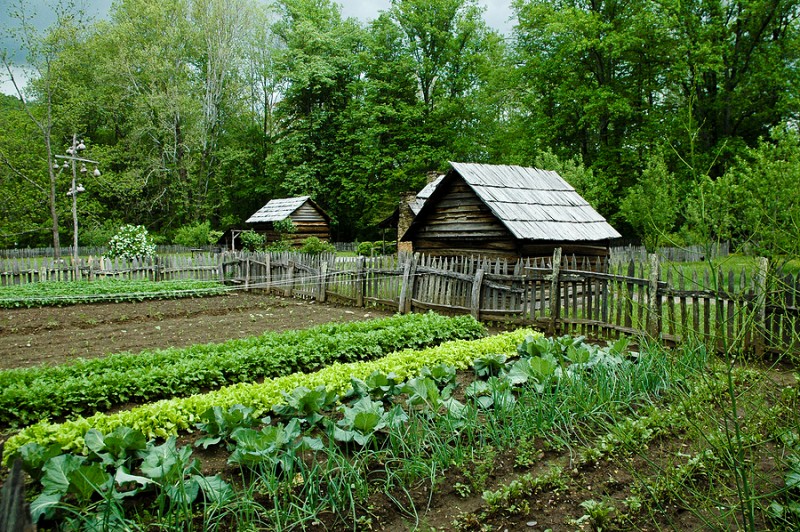
At the heart of any modern homesteading skills list is the ability to grow your own food. Even a small garden can supply fresh produce and supplement your pantry. Start with easy crops and gradually expand your knowledge:
- Vegetable Gardening: Learn the basics of soil preparation, planting, and seasonal care. Resources like guides on how to prepare soil for planting vegetables are invaluable for beginners.
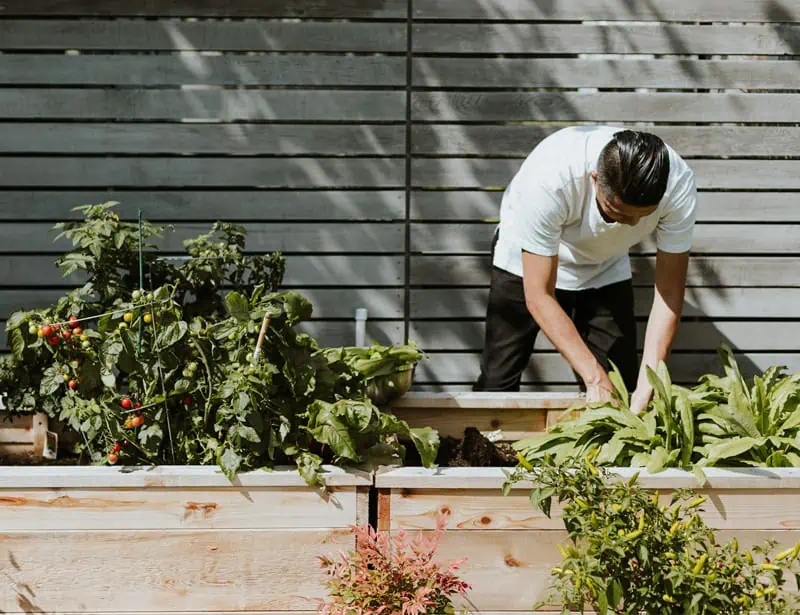
- Growing in Small Spaces: Urban dwellers can still practice homesteading by using containers or raised beds. Check out tips for how to grow vegetables in small spaces to maximize yields.
- Choosing Crops: Focus on the best vegetables to grow at home and select varieties suited to your climate and skill level.
- Seed Starting and Saving: Mastering seed starting gives you more control over your garden, while saving seeds ensures sustainability year after year.
Food Preservation and Storage Techniques
Once you begin harvesting, knowing how to preserve your bounty is crucial. Food preservation is a cornerstone of self-reliance and a key part of any modern homesteading skills list. Common methods include:
- Canning: Both water bath and pressure canning allow you to store fruits, vegetables, and even meats safely for months.
- Dehydrating: Drying herbs, fruits, and vegetables is a simple way to extend shelf life without refrigeration.
- Freezing: Properly blanching and freezing produce helps retain nutrients and flavor.
- Fermentation: Making sauerkraut, kimchi, or yogurt introduces beneficial probiotics and preserves food naturally.
Basic Animal Husbandry for Beginners
Raising animals is a natural progression for many homesteaders. Chickens, rabbits, and goats are popular choices for small properties. Key skills include:
- Animal Care: Learn about feeding, housing, and routine health checks.
- Egg and Dairy Production: Chickens provide eggs, while goats or cows can supply milk and cheese.
- Composting Manure: Animal waste can be turned into valuable fertilizer for your garden.
Start small and expand as you gain confidence. Each species has unique needs, so research thoroughly before bringing animals home.
Frugal Living and Resource Management
Living sustainably means making the most of what you have. Frugality is a core principle of homesteading, helping you reduce waste and save money. Important practices include:
- Budgeting and Planning: Track expenses and plan purchases to avoid unnecessary spending.
- Repurposing and Upcycling: Find creative ways to reuse materials and minimize landfill waste.
- Bartering and Sharing: Exchange goods or services with neighbors to build community and resilience.

Homestead Maintenance and DIY Repairs
Self-sufficiency often means handling basic repairs and maintenance yourself. Developing these abilities can save money and prevent small issues from becoming major problems:
- Basic Carpentry: Building raised beds, fences, or simple structures is invaluable on any homestead.
- Plumbing and Electrical: Understanding simple repairs—like fixing leaks or replacing outlets—adds another layer of independence.
- Tool Maintenance: Keeping your tools sharp and in good condition ensures safety and efficiency.
Water Management and Conservation
Reliable access to water is essential for both gardening and livestock. Key water-related skills include:
- Rainwater Harvesting: Collecting and storing rainwater reduces dependence on municipal supplies.
- Irrigation Systems: Setting up drip irrigation or soaker hoses conserves water and keeps plants healthy.
- Greywater Reuse: Safely reusing household water for irrigation can further reduce waste.
Learning and Community Resources
Homesteading is a lifelong learning process. Connecting with others and seeking out reliable information is vital. Online communities, local workshops, and trusted blogs offer support and inspiration. For a deeper dive into the philosophy and practice of self-reliant living, explore this comprehensive guide to modern homesteading.
Building Your Personalized Skills List
Every homestead is unique, and your priorities may shift over time. Start by mastering a few core skills, then expand as your confidence grows. Consider making a checklist to track your progress and set realistic goals. Remember, the journey is as important as the destination—celebrate each new skill you acquire.
FAQ
What are the most important skills for new homesteaders?
For beginners, focus on gardening basics, food preservation, and simple DIY repairs. These foundational abilities allow you to produce and store food, maintain your property, and build confidence as you learn more advanced techniques.
Can I practice homesteading in a city or small space?
Absolutely. Many homesteading skills, such as container gardening, composting, and food preservation, can be practiced in urban or suburban settings. Start with what you have and expand as opportunities arise.
How do I choose which skills to learn first?
Begin with the areas that interest you most and offer the greatest benefit to your household. Gardening, basic cooking from scratch, and learning to preserve food are great starting points. As you gain experience, add new skills based on your needs and resources.