Embracing modern homesteading on small land is an increasingly popular way to live more sustainably, even when acreage is limited. Whether you’re working with a suburban backyard or a compact rural plot, it’s entirely possible to produce food, reduce waste, and enjoy a more self-reliant lifestyle. The key lies in smart planning, creative use of space, and choosing the right projects for your goals and environment.
For those new to this approach, starting small and focusing on high-yield, space-efficient methods can make a significant difference. From vertical gardening to raising small livestock, there are countless ways to maximize productivity without needing a sprawling property. If you’re interested in growing specific crops, such as onions, you might find this guide on how to grow onions from bulbs particularly helpful as you plan your garden.
Getting Started: Planning Your Compact Homestead
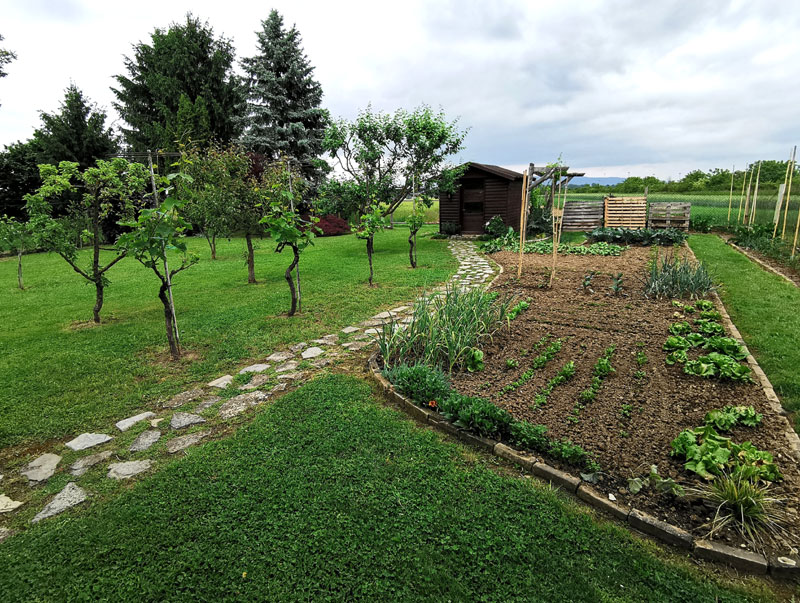
Before breaking ground, it’s important to assess your available space and set realistic goals. Even a quarter-acre can support a surprising amount of food production and sustainable living projects. Begin by mapping out your lot, noting sun exposure, existing trees, and any structures. This will help you decide where to place gardens, compost bins, or small animal enclosures.
Consider your priorities: are you most interested in growing vegetables, keeping chickens, or perhaps starting a small orchard? Focusing on a few high-impact projects will prevent overwhelm and allow you to learn as you go. For those with limited space, vertical gardening and container planting can dramatically increase your harvest without expanding your footprint.
Space-Saving Gardening Techniques for Small Homesteads
One of the most effective ways to practice modern homesteading on small land is by adopting intensive gardening methods. Raised beds, square foot gardening, and vertical planters are all excellent options for maximizing yields in tight quarters. These approaches not only make the most of your available area but also help control soil quality and reduce weed pressure.
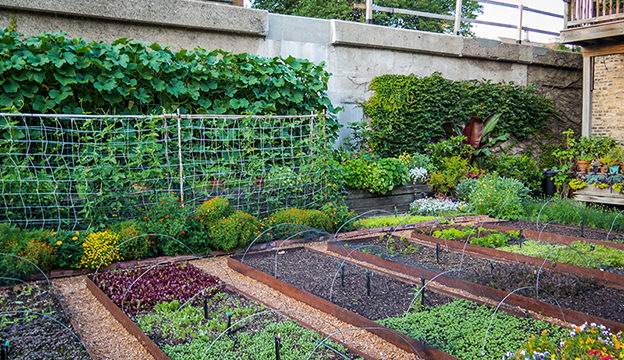
For those looking to expand their gardening skills, urban gardening resources can be invaluable. Check out this article on how to grow vegetables in small spaces for practical advice on making the most of every inch. Additionally, companion planting and succession planting can help you harvest multiple crops from the same bed throughout the season.
- Raised beds: Improve drainage and soil quality, making it easier to manage intensive plantings.
- Vertical gardening: Use trellises, wall-mounted planters, or stacked containers to grow upward.
- Container gardening: Ideal for patios, balconies, or areas with poor soil.
Choosing the right crops is also essential. Leafy greens, herbs, radishes, and compact fruiting plants like bush tomatoes or strawberries are well-suited to small spaces. For more ideas, see this list of the best vegetables to grow at home.
Raising Small Livestock and Poultry on Limited Acreage
Even with a modest plot, it’s possible to incorporate animals into your homesteading plans. Chickens are a popular choice, providing fresh eggs and natural pest control. Quail, rabbits, and even a pair of dwarf goats can thrive in small, well-designed enclosures. Always check local ordinances and HOA rules before adding animals to your property.
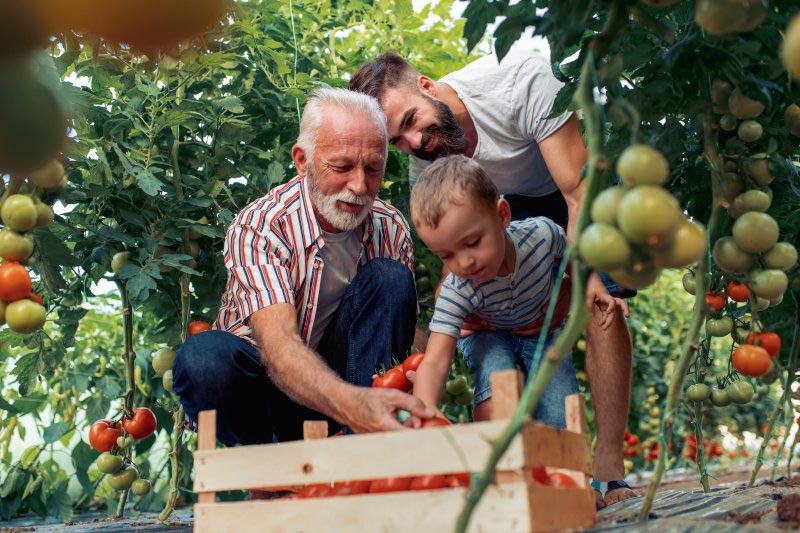
When space is at a premium, focus on animals that offer multiple benefits. Chickens, for example, can help turn kitchen scraps into compost and provide manure for your garden. Rabbits produce high-quality fertilizer and require very little room. If you’re new to animal husbandry, start with a small flock or pair and expand as you gain experience.
Efficient Food Production and Preservation
Producing your own food is a central goal for many pursuing modern homesteading on small land. To make the most of your harvest, consider preserving surplus produce through canning, freezing, or dehydrating. These skills not only reduce waste but also help you enjoy homegrown food year-round.
Plan your garden with preservation in mind. Grow crops that store well, such as onions, garlic, and winter squash. For beginners, learning easy vegetables for beginners to grow can build confidence and ensure a steady supply of fresh produce.
Don’t overlook perennial crops like berries, asparagus, or rhubarb, which return year after year with minimal effort. Fruit trees, even dwarf varieties, can be grown in containers or espaliered along fences to save space.
Water Management and Composting Strategies
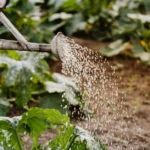
Efficient water use is essential for any small-scale homestead. Install rain barrels to collect runoff from roofs, and use drip irrigation or soaker hoses to deliver water directly to plant roots. Mulching garden beds helps retain moisture and suppress weeds, reducing the need for frequent watering.
Composting is another cornerstone of sustainable living. Even a small compost bin can turn kitchen scraps and yard waste into rich soil for your gardens. If space is extremely limited, consider vermicomposting with worms, which can be done indoors or on a balcony.
Learning from Others and Staying Inspired
There’s a wealth of information available for those interested in self-sufficient living on a small scale. Online communities, local gardening clubs, and resources like this comprehensive guide to modern homesteading can offer inspiration and practical advice. Sharing successes and challenges with others can help you stay motivated and discover new techniques suited to your unique situation.
Seasonal Planning and Crop Rotation
To keep your land productive year after year, it’s important to plan for each season. Rotate crops to prevent soil depletion and reduce pest problems. Use cover crops or mulch in the off-season to protect and enrich your soil. For tips on timing your plantings, see this resource on when to plant vegetables in spring.
By observing your land throughout the year and making adjustments as needed, you’ll gradually develop a system that works for your space and climate.
Common Challenges and How to Overcome Them
Every small-scale homesteader faces obstacles, from limited sunlight to zoning restrictions. The key is to approach these challenges with flexibility and creativity. If your yard is shaded, focus on crops that tolerate lower light. If you’re restricted from keeping certain animals, concentrate on gardening or composting projects instead.
Start with manageable projects and expand as you gain confidence. Remember, the goal is progress, not perfection. Celebrate small victories and learn from setbacks along the way.
Frequently Asked Questions
What are the best crops for small homesteads?
Leafy greens, herbs, radishes, bush tomatoes, strawberries, and compact fruit trees are excellent choices for limited spaces. These plants offer high yields and can often be grown in containers or raised beds.
Can I keep animals if I only have a small backyard?
Yes, many people successfully keep chickens, quail, or rabbits in small urban or suburban yards. Always check local regulations before starting, and design enclosures to maximize space while ensuring animal welfare.
How do I make my small homestead more sustainable?
Focus on efficient resource use: collect rainwater, compost organic waste, and grow a variety of crops to support soil health. Incorporate perennials and practice crop rotation to maintain productivity over time.