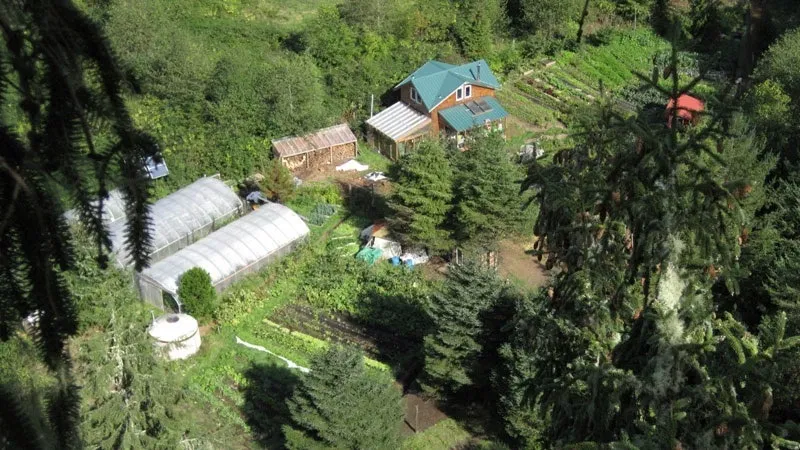
Living off the grid requires a thoughtful approach to food preservation off-grid. Without the convenience of modern refrigeration or freezers, homesteaders and those in remote areas must rely on traditional and innovative methods to keep food safe and nutritious for months or even years. This guide explores practical strategies for extending the shelf life of your harvest, pantry staples, and protein sources, so you can maintain food security and reduce waste, no matter your location.
Whether you’re new to self-sufficiency or looking to refine your existing setup, understanding the best ways to store food without electricity is essential. From root cellars to dehydration, and from canning to fermentation, each method offers unique benefits and challenges. Before diving into the techniques, it’s helpful to consider your climate, available resources, and the types of food you plan to store.
For those interested in maximizing their garden’s output, you might also find value in learning how to grow onions from bulbs, which can be a great addition to your long-term storage pantry.
Why Off-Grid Food Storage Matters
When you’re disconnected from public utilities, reliable food storage becomes a cornerstone of self-reliance. Power outages, supply chain disruptions, or simply living far from stores make it crucial to have a robust system for keeping food edible and safe. Effective off-grid preservation helps you:
- Reduce dependence on frequent shopping trips
- Minimize spoilage and food waste
- Maintain a varied and nutritious diet year-round
- Prepare for emergencies or seasonal shortages
By mastering these techniques, you’ll gain confidence in your ability to feed yourself and your family, regardless of external circumstances.
Root Cellaring: Nature’s Refrigerator
One of the oldest and most reliable methods for food preservation off-grid is the root cellar. By harnessing the earth’s stable temperatures and humidity, you can store a wide range of produce for months. Root cellars are ideal for:
- Root vegetables (carrots, potatoes, beets, turnips)
- Apples, pears, and some squash varieties
- Cabbage and other hardy greens
To build a root cellar, choose a location that stays cool (32–40°F) and maintains high humidity (85–95%). This can be an underground room, a buried barrel, or even an insulated corner of your basement. Proper ventilation is key to preventing mold and rot. Layering vegetables in sand or sawdust can help maintain moisture and reduce spoilage.

Canning: Preserving the Harvest for Months
Canning is a time-tested way to store food without refrigeration. By sealing food in jars and heating them to destroy bacteria, you can safely keep fruits, vegetables, meats, and even full meals for a year or more. There are two main types:
- Water bath canning: Suitable for high-acid foods like tomatoes, fruits, jams, and pickles.
- Pressure canning: Required for low-acid foods such as meats, beans, and most vegetables.
For best results, always use tested recipes and follow safety guidelines. Store finished jars in a cool, dark place and check seals regularly. Canning is especially useful for preserving the bounty from your garden, whether you’re growing staples or experimenting with easy vegetables for beginners to grow.
Dehydration: Lightweight and Versatile Storage
Removing moisture from food inhibits the growth of bacteria, yeast, and mold. Dehydration is a practical method for off-grid food preservation because it requires minimal equipment and produces lightweight, shelf-stable results. You can dry food using:
- Solar dehydrators (homemade or purchased)
- Wood-fired ovens or stoves
- Air drying in low-humidity climates
Popular foods for dehydration include fruits, vegetables, herbs, and even meats (jerky). Store dried foods in airtight containers away from light and moisture. Rehydrate as needed for soups, stews, or snacks.
Fermentation: Harnessing Good Microbes
Fermentation is both a preservation method and a way to boost nutrition. By encouraging beneficial bacteria, you can transform vegetables and dairy into tangy, probiotic-rich foods that last for months. Common fermented foods include:
- Sauerkraut and kimchi
- Pickles (lacto-fermented)
- Yogurt and kefir (if you have access to fresh milk)
Fermentation requires only salt, water, and clean containers. The process is forgiving and adaptable, making it ideal for off-grid living. Store finished ferments in a cool area to slow further fermentation and preserve flavor.

Salting, Smoking, and Curing: Traditional Meat Preservation
For those raising livestock or hunting, preserving protein sources is a key part of food preservation off-grid. Salting, smoking, and curing have been used for centuries to keep meat and fish edible without refrigeration:
- Salting: Draws moisture out of meat, inhibiting bacterial growth. Salted meats must be soaked before use.
- Smoking: Adds flavor and further dries the meat. Cold smoking is for flavor, while hot smoking also cooks and preserves.
- Curing: Combines salt, sugar, and sometimes nitrates to preserve meats like bacon, ham, and sausages.
These methods require careful attention to cleanliness and technique to ensure safety. Store finished products in a cool, dry place, and inspect regularly for signs of spoilage.
Grains, Beans, and Dry Goods: Bulk Storage Solutions
Staples like grains, beans, pasta, and flour are the backbone of any off-grid pantry. To keep them fresh for the long haul:
- Store in airtight containers to prevent pests and moisture
- Use oxygen absorbers or bay leaves to deter insects
- Rotate stock and use the oldest items first
Consider storing bulk goods in food-grade buckets or glass jars. If you’re interested in growing more of your own food, check out tips on how to grow vegetables in small spaces to supplement your pantry.
Building an Off-Grid Storage System
Successful food storage off the grid combines several methods and adapts to your environment. Here are a few tips for creating a resilient system:
- Assess your climate and available resources before choosing methods
- Keep storage areas clean, organized, and free from pests
- Label and date all preserved foods
- Regularly inspect your stores for spoilage or damage
For inspiration on setting up a self-sufficient homestead, explore this comprehensive guide to building an off-grid homestead.
Frequently Asked Questions
What foods are best suited for off-grid preservation?
Root vegetables, apples, squash, grains, beans, and hardy greens store well in root cellars or cool pantries. Fruits, tomatoes, and pickles are ideal for canning, while herbs, fruits, and meats can be dehydrated or smoked. Fermented foods like sauerkraut and yogurt are also excellent choices.
How can I prevent spoilage and pests in my storage areas?
Use airtight containers for dry goods, maintain proper humidity and temperature in root cellars, and check all stored food regularly for signs of mold, insects, or rodents. Cleanliness is critical—keep storage areas swept and free from food debris.
Is it possible to preserve food off-grid without any special equipment?
Yes, many methods require minimal tools. Root cellaring, fermentation, and air drying use natural processes and basic containers. While canning and dehydrating are easier with specialized gear, you can improvise with solar dehydrators or wood stoves if needed.
Conclusion
Mastering food preservation off-grid is a vital skill for anyone seeking self-sufficiency or preparing for emergencies. By combining root cellaring, canning, dehydration, fermentation, and traditional meat preservation, you can build a diverse and reliable food supply that doesn’t rely on electricity. Start with the methods that fit your climate and resources, and expand as you gain experience. With the right knowledge and a bit of planning, you’ll enjoy nutritious, homegrown meals all year long.