Off-grid mobile homes are gaining popularity among those seeking independence, sustainability, and flexibility in their living arrangements. These homes combine the mobility of traditional manufactured housing with the self-sufficiency of off-grid systems, allowing residents to live comfortably without relying on public utilities. Whether you are looking to downsize, reduce your environmental footprint, or simply embrace a more adventurous lifestyle, understanding the benefits and challenges of this housing option is essential.
Before diving into the practical aspects, it’s helpful to explore the basics of off-grid living and how it intersects with mobile home design. If you’re interested in maximizing your self-sufficiency, you might also want to learn about how to grow onions from bulbs or other ways to produce your own food on a small scale.
What Makes Mobile Homes Suitable for Off-Grid Living?
Mobile homes are inherently adaptable, making them a strong candidate for off-grid setups. Their compact size, efficient layouts, and ability to be relocated allow owners to choose optimal locations for solar exposure, water access, or privacy. Many modern mobile homes are designed with energy efficiency in mind, which reduces the overall demand for power and resources.
When considering a move to a self-sufficient lifestyle, it’s important to evaluate the structure’s insulation, ventilation, and durability. Retrofitting older models may require upgrades such as double-pane windows, improved weatherproofing, or additional insulation to maintain comfort year-round.
Key Benefits of Off-Grid Mobile Home Living
Choosing to live in a mobile home that operates independently from municipal utilities offers several notable advantages:
- Freedom of Location: Owners can relocate their home to take advantage of better climates, scenic views, or more affordable land.
- Lower Utility Costs: By generating your own electricity and sourcing water, you can significantly reduce monthly expenses.
- Environmental Impact: Off-grid systems often use renewable resources, such as solar or wind power, reducing reliance on fossil fuels.
- Self-Sufficiency: Living off the grid encourages skills in gardening, water management, and energy conservation, fostering a greater sense of independence.
- Emergency Preparedness: Homes equipped with backup power and water systems are less vulnerable to outages and disruptions.
Potential Drawbacks and Challenges
While the appeal of a mobile, self-sufficient lifestyle is strong, there are some important obstacles to consider:
- Initial Investment: Outfitting a mobile home with solar panels, water tanks, and composting toilets can be costly upfront.
- Legal Restrictions: Zoning laws and building codes may limit where you can park or permanently place your home. Always check local regulations before purchasing land or moving your home.
- Maintenance Demands: Off-grid systems require regular upkeep, from cleaning solar panels to monitoring water quality and storage.
- Limited Space: Mobile homes offer less storage and living area, which can be challenging for families or those with many possessions.
- Resource Management: Living off-grid means carefully monitoring energy and water use, especially during periods of low sunlight or drought.
Despite these challenges, many find that the benefits outweigh the drawbacks, especially when they are prepared and informed.
Essential Systems for Off-Grid Mobile Homes
To successfully operate a mobile home independent of public utilities, several key systems must be installed and maintained:
Power Generation and Storage
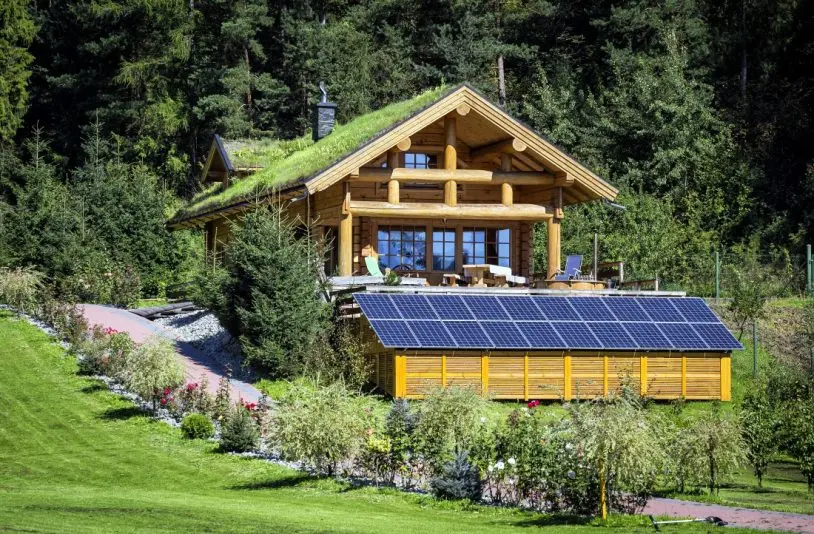
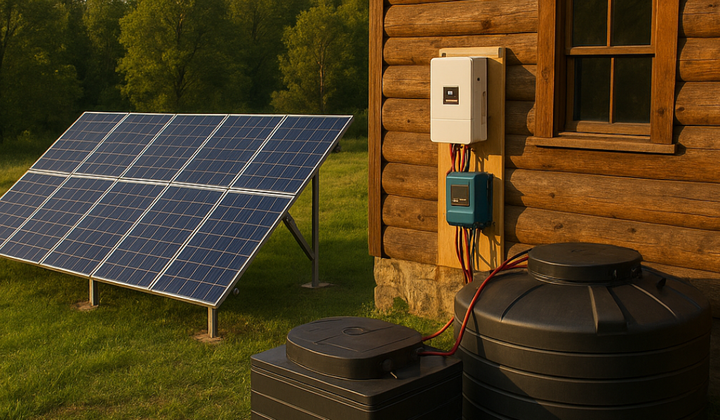
Solar power is the most common energy source for off-grid homes. Photovoltaic panels can be mounted on the roof or on ground arrays, charging batteries that supply electricity day and night. Some owners supplement solar with wind turbines or generators for backup during cloudy periods.
A typical setup includes:
- Solar panels sized to meet your daily energy needs
- Deep-cycle batteries for energy storage
- Inverters to convert DC to AC power for appliances
- Charge controllers to protect batteries from overcharging
Water Collection and Filtration
Water can be sourced from wells, rainwater catchment systems, or delivered and stored in tanks. Filtration is critical for ensuring safe drinking water. Many off-grid homes use a combination of sediment filters, activated carbon, and UV purification.
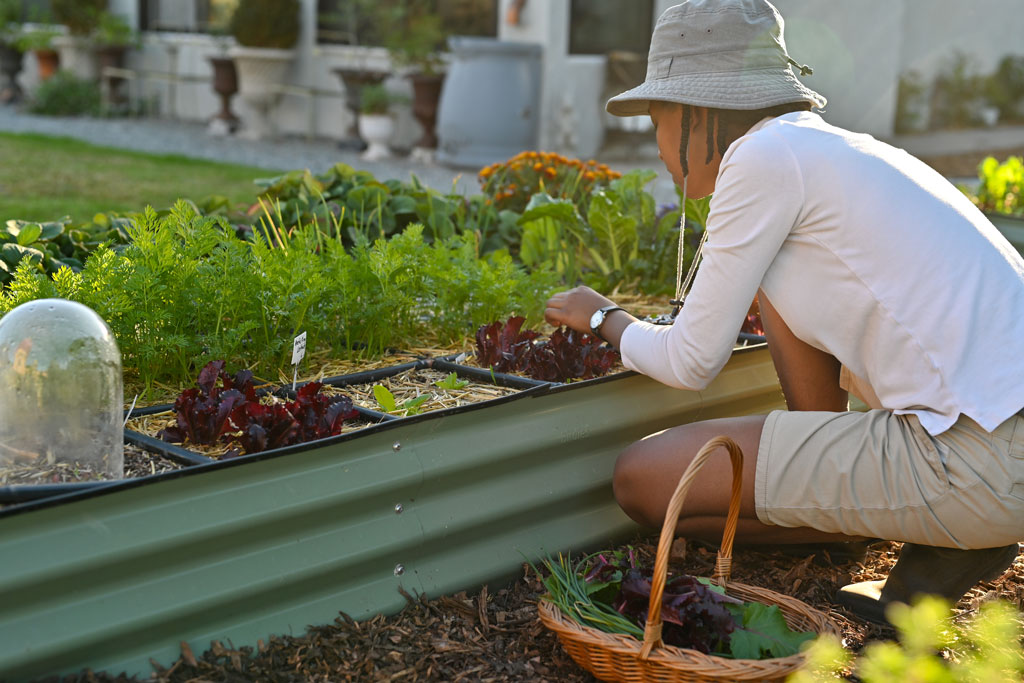
For those interested in growing their own produce, integrating raised garden beds or learning how to grow vegetables in small spaces can further enhance self-sufficiency.
Waste Management Solutions
Composting toilets, greywater recycling, and septic systems are common approaches for handling waste. These systems minimize environmental impact and reduce reliance on municipal sewage.
Tips for Setting Up an Off-Grid Mobile Home
Transitioning to a mobile home that operates independently requires careful planning. Here are some practical tips to help you get started:
- Assess Your Needs: Calculate your average energy and water consumption to size your systems appropriately.
- Choose the Right Location: Look for land with good solar exposure, access to water, and favorable zoning laws.
- Invest in Quality Equipment: Reliable solar panels, batteries, and filtration systems will save money and headaches in the long run.
- Plan for Redundancy: Backup generators, extra water storage, and alternative heating sources can provide peace of mind during emergencies.
- Stay Organized: Limited space means every item should have a purpose and a place. Consider multi-functional furniture and vertical storage solutions.
- Learn and Adapt: Off-grid living is a learning process. Stay open to new techniques and be prepared to adjust your routines as needed.
Resources and Inspiration for Off-Grid Living
If you’re curious about how others have made the leap to self-sufficient mobile homes, there are many online communities and guides available. For example, you can find practical advice on how to live off the grid with minimal expenses, which covers creative ways to reduce costs and maximize your resources.
Additionally, exploring topics like the best vegetables to grow at home or easy vegetables for beginners to grow can help you make the most of your land and boost your food security.
Frequently Asked Questions
What are the most important systems to install in a mobile home for off-grid living?
The most critical systems are solar power generation (or another renewable energy source), water collection and filtration, and waste management. These ensure you have reliable electricity, safe drinking water, and hygienic waste disposal.
Can I legally live in a mobile home off the grid anywhere?
No, local zoning laws and building codes vary widely. Some areas allow off-grid mobile homes, while others have restrictions on permanent residency or utility disconnection. Always research regulations before purchasing land or moving your home.
How much does it cost to set up a mobile home for off-grid living?
Costs depend on the size of your home, the quality of systems you install, and your location. Expect to invest in solar panels, batteries, water tanks, filtration, and waste solutions. While the initial investment can be significant, ongoing expenses are typically much lower than traditional homes.
How can I grow food while living off the grid?
Raised garden beds, container gardening, and vertical gardens are popular choices. For guidance, see when to plant vegetables in spring for tips on timing and crop selection.
Off-grid mobile homes offer a unique blend of freedom, sustainability, and adventure. With careful planning and the right systems in place, you can enjoy a comfortable, independent lifestyle almost anywhere.