
Staying cool during the hottest months can be a real challenge when you’re living without conventional air conditioning or a steady grid connection. Whether you’re homesteading, camping, or simply looking for more sustainable ways to beat the heat, there are proven strategies that don’t require electricity-hungry appliances. This guide explores off-grid summer cooling methods that are practical, effective, and suitable for a variety of living situations.
Adopting these approaches not only helps you stay comfortable but also supports a more eco-friendly lifestyle. Many of these solutions are rooted in traditional wisdom and can be adapted for modern off-grid homes, cabins, or even urban spaces. For those interested in growing their own food while managing summer heat, you might also find value in learning how to grow onions from bulbs for a productive garden year-round.
Understanding Passive Cooling Principles
Before diving into specific techniques, it’s helpful to understand the basics of passive cooling. These are methods that use natural processes—like shade, ventilation, and thermal mass—to reduce indoor temperatures without relying on powered devices. By focusing on design and environmental factors, you can dramatically cut down on heat buildup inside your home or shelter.
- Shading: Blocking direct sunlight from windows, walls, and roofs is one of the most effective ways to prevent overheating.
- Ventilation: Encouraging airflow helps remove hot air and brings in cooler breezes, especially during the evening and early morning.
- Thermal Mass: Materials like stone, brick, or water can absorb heat during the day and release it slowly at night, helping to stabilize temperatures.
Natural Ventilation and Airflow Strategies
Maximizing cross-ventilation is a cornerstone of off-grid summer cooling methods. Here’s how you can make the most of natural breezes:
- Open Windows Strategically: Open windows on opposite sides of your living space to create a cross-breeze. If possible, open higher windows on the downwind side to let hot air escape.
- Use Ventilation Panels: Install or open vents near the roofline to allow rising hot air to exit, while drawing in cooler air from lower openings.
- Night Cooling: Take advantage of cooler nighttime temperatures by leaving windows open overnight (if safe), then closing them and drawing curtains during the day to trap the cool air inside.
Shading and Insulation: Keeping the Sun Out
Blocking sunlight before it enters your home is one of the simplest and most effective ways to maintain a comfortable temperature. Consider these options:
- Install Exterior Shades: Use awnings, pergolas, or shade sails to cover windows and outdoor living areas.
- Grow Green Barriers: Plant fast-growing vines or shrubs near sun-exposed walls and windows. Not only do they provide shade, but they also cool the air through transpiration.
- Reflective Materials: Place reflective film or light-colored blinds on windows to bounce sunlight away.
- Insulate Properly: Good insulation in walls and roofs helps keep heat out during the day and prevents cool air from escaping at night.
Water-Based Cooling Techniques
Water is a powerful ally in the fight against summer heat, especially for those living off the grid. Here are some practical ways to use water for cooling:
- Evaporative Cooling: Hang wet sheets or towels in front of open windows or doorways. As the water evaporates, it cools the incoming air.
- Outdoor Showers and Misting: Set up a simple outdoor shower or misting system using rainwater or greywater. A quick rinse can lower your body temperature dramatically.
- Water Features: Small ponds or fountains near your home can help cool the surrounding air as water evaporates, especially when placed upwind of open windows.
For those interested in maximizing their homestead’s potential during the hot months, consider exploring how to grow vegetables in small spaces, which can also help with microclimate management around your home.
Building and Landscape Design for Natural Cooling
Long-term solutions for staying cool often start with how you design and position your living space. Here are some building and landscaping tips:
- Orientation: Position your home or shelter so that the longest walls face north and south, minimizing exposure to the intense east and west sun.
- Earth Berming: Building into a hillside or using earth berms on sun-exposed sides can provide natural insulation and cooling.
- Green Roofs: Planting vegetation on your roof helps absorb sunlight and cools the structure through evaporation.
- Deciduous Trees: Plant trees that provide shade in summer but lose their leaves in winter, allowing sunlight to warm your home during colder months.
Personal Cooling Hacks for Off-Grid Living
Sometimes, the best way to stay cool is to focus on your own comfort. Here are some simple, low-tech ways to beat the heat:
- Wear Light, Loose Clothing: Natural fibers like cotton and linen breathe better and wick away sweat.
- Stay Hydrated: Drink plenty of water throughout the day. Add a pinch of salt or a splash of fruit juice to help replace lost electrolytes.
- Cool Sleeping Arrangements: Sleep in the lowest part of your home, where it’s coolest. Use lightweight bedding and consider sleeping outdoors if it’s safe and comfortable.
- Cold Packs: Place a damp washcloth or a bottle of cold water on your wrists, neck, or ankles for quick relief.
Energy-Efficient Tools and Off-Grid Appliances
While the focus here is on non-electric solutions, there are some low-power devices that can help, especially if you have access to solar or wind energy:
- 12V or Solar-Powered Fans: These can dramatically improve airflow with minimal energy use.
- Battery-Operated Misting Fans: Combine the benefits of air movement and evaporative cooling.
- Reflective Window Films: Easy to install and highly effective at reducing heat gain.
For a comprehensive overview of essential gear and setups for living without grid power, check out this off-grid living essentials guide for more ideas on sustainable comfort.
Maintaining a Cooler Homestead for Animals and Gardens
It’s not just people who struggle with summer heat—animals and plants need protection, too. Here are some tips for keeping your homestead thriving:
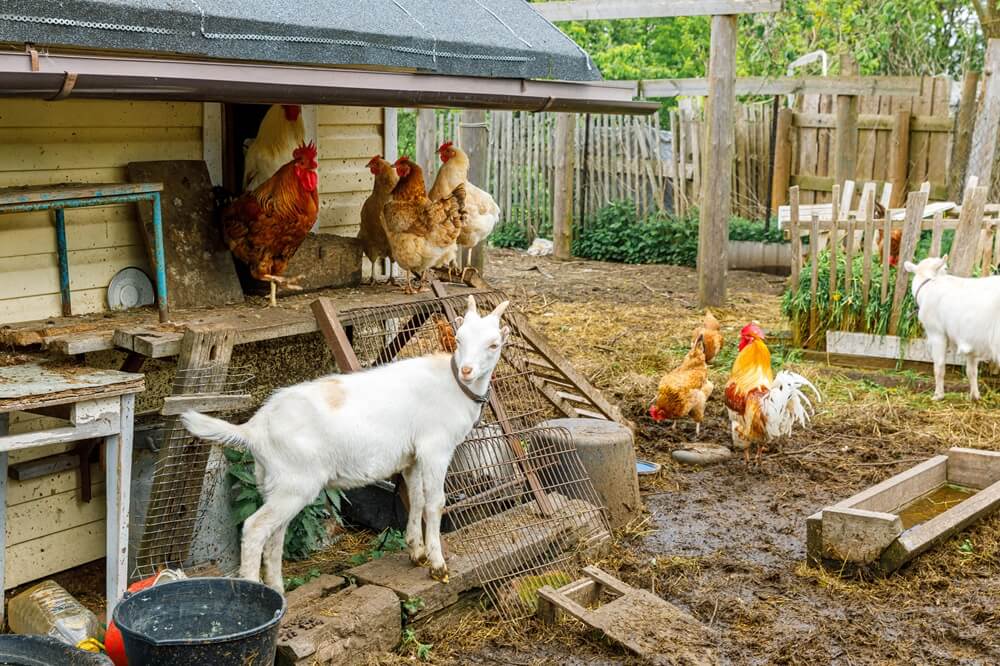
- Provide Shade Structures: Use tarps, shade cloth, or natural tree cover for livestock and poultry.
- Water Access: Ensure animals always have access to fresh, cool water. Consider automatic waterers or shaded troughs.
- Mulch Gardens: A thick layer of mulch helps retain soil moisture and keeps roots cool. This is especially important for summer crops. For more gardening tips, see the list of best vegetables to grow at home for summer harvests.
FAQ: Off-Grid Cooling and Summer Comfort
What is the most effective way to cool an off-grid home in summer?
The most effective approach combines several passive cooling strategies: maximize ventilation, use shading (both natural and artificial), insulate well, and take advantage of nighttime temperature drops. These methods require little or no electricity and can be adapted to most structures.
Can I use solar power for cooling off-grid?
Yes, solar panels can power low-energy devices like fans or evaporative coolers. While running a traditional air conditioner is usually impractical off-grid, solar can support smaller appliances that make a significant difference in comfort.
How do I keep my garden and animals cool without electricity?
Provide ample shade, use plenty of mulch in the garden, and ensure constant access to water. Shade cloth, trees, and proper shelter design are key. For animals, consider automatic waterers and well-ventilated coops or barns. If you’re looking for easy crops to grow in hot weather, explore easy vegetables for beginners to grow that thrive in summer conditions.
Conclusion: Sustainable Comfort for Hot Weather
Adopting off-grid summer cooling methods is about combining traditional wisdom with practical modern solutions. By focusing on passive design, smart landscaping, and simple personal habits, you can stay comfortable even during the hottest months—without relying on the grid. These techniques not only help you beat the heat but also support a more resilient, sustainable lifestyle for you, your family, and your homestead.