Building a well-organized pantry is a cornerstone of successful modern homesteading. Whether you’re growing your own food, buying in bulk, or preserving seasonal harvests, a thoughtfully arranged storage space streamlines daily life and reduces waste. In this guide, we’ll explore practical strategies for arranging your supplies, maximizing space, and maintaining order—so your pantry supports your self-sufficient lifestyle year-round.
For those just starting out or looking to refine their setup, understanding the basics of modern homesteading pantry organization can make a significant difference. From labeling jars to rotating stock, these methods help ensure that your hard-earned produce and provisions stay fresh and accessible.
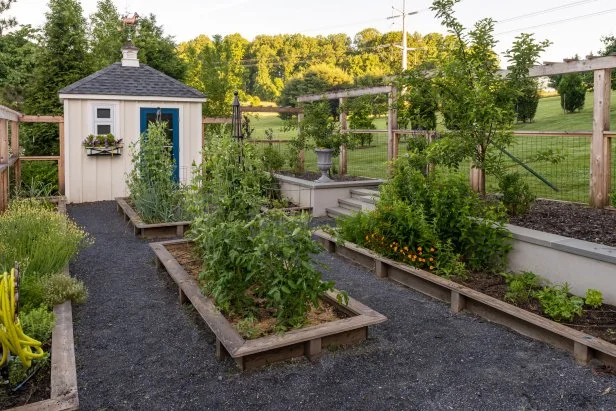
Organizing your pantry isn’t just about neatness—it’s about efficiency and sustainability. If you’re also interested in maximizing your harvest, you might find our resource on how to grow vegetables in small spaces helpful for planning what you’ll be storing and preserving.
Why Pantry Organization Matters for Homesteaders
For anyone practicing self-sufficiency, a well-ordered pantry is more than a convenience—it’s a necessity. When you’re managing homegrown produce, bulk dry goods, and preserved foods, chaos can quickly lead to spoilage or forgotten items. Good organization helps you:
- Track inventory and avoid overbuying or underusing supplies
- Reduce food waste by ensuring older items are used first
- Streamline meal planning and daily cooking
- Make the most of limited storage space
- Respond more confidently to seasonal abundance or scarcity
Modern homesteading pantry organization is about creating a system that works for your household’s unique needs, whether you’re feeding a large family or just yourself.
Setting Up Your Pantry for Success
Before you start rearranging shelves, take time to assess your space and supplies. Here are some foundational steps to get started:
- Clear Out and Clean: Remove everything from your pantry. Wipe down shelves, sweep the floor, and check for signs of pests or moisture.
- Sort and Categorize: Group items by type—canned goods, grains, baking supplies, spices, and so on. This makes it easier to see what you have and what you need.
- Check Expiry Dates: Discard anything that’s expired or spoiled. If you find duplicates, combine them if possible.
- Plan Your Layout: Think about how often you use certain items. Everyday staples should be within easy reach, while rarely used ingredients can go on higher or lower shelves.

Smart Storage Solutions for Modern Homesteaders
Once you’ve sorted your supplies, it’s time to implement storage strategies that support modern homesteading pantry organization. Consider these practical ideas:
- Use Clear Containers: Store dry goods in glass jars or clear bins so you can easily see contents and quantities. This also helps keep pests out.
- Label Everything: Mark jars and containers with the contents and date of storage. Chalkboard labels or erasable markers work well for items that change frequently.
- Install Adjustable Shelving: Customizable shelves let you accommodate items of different sizes, from tall jars to small spice tins.
- Utilize Vertical Space: Stackable bins, hanging racks, and door organizers can dramatically increase your usable area.
- Keep a Running Inventory: A simple notebook or digital spreadsheet helps you track what’s on hand and what needs replenishing.
For those who preserve their own produce, consider dedicating a section of your pantry to home-canned goods, with shelves deep enough for jars and a system for rotating older stock to the front.
Rotating Stock and Preventing Waste
One of the biggest challenges in any pantry—especially for homesteaders—is making sure nothing goes to waste. A few habits can help:
- First In, First Out (FIFO): Always place newly acquired or preserved items behind older ones. Use up the oldest stock first.
- Regular Audits: Set a reminder to check your pantry monthly. Look for items nearing expiration and plan meals around them.
- Batch Cooking and Preservation: If you notice a surplus of a particular ingredient, consider canning, dehydrating, or freezing it before it spoils.
Staying on top of your inventory not only saves money but also ensures your hard work in the garden or kitchen pays off. If you’re interested in expanding your homegrown options, check out our guide on best vegetables to grow at home for fresh produce ideas.
Adapting Your Pantry for Seasonal Changes
Homesteading pantries are dynamic, changing with the seasons and your family’s needs. During harvest time, you might need extra space for canning jars or bins of root vegetables. In winter, you’ll rely more on preserved goods and bulk staples. Adjust your organization system as needed:
- Reserve a flexible shelf or bin for seasonal overflow
- Store root vegetables in cool, dark areas with good airflow
- Group preserved foods by type and date for easy access
Staying adaptable ensures your pantry remains functional and efficient all year long.
Incorporating Homesteading Values into Pantry Organization
For many, the appeal of a self-sufficient lifestyle goes beyond food production. It’s about sustainability, resourcefulness, and community. Your pantry can reflect these values by:
- Using reusable containers and minimizing packaging waste
- Supporting local farmers and producers when buying in bulk
- Sharing surplus with neighbors or local food banks
- Learning from others in the homesteading community—see this in-depth look at modern homesteading principles for more inspiration
By aligning your pantry practices with your broader goals, you create a space that supports both your household and your values.
Maintaining Your Organized Pantry
Once your system is in place, a little ongoing effort keeps things running smoothly. Here are a few maintenance tips:
- Do a quick tidy-up each week—return items to their proper spots and wipe up any spills
- Update your inventory as you use or add supplies
- Revisit your layout every few months to see if it still fits your needs
Consistency is key. Even a few minutes a week can prevent clutter and confusion from creeping back in.
Frequently Asked Questions
What are the best containers for storing dry goods in a homesteading pantry?
Glass jars with airtight lids are ideal for grains, beans, and baking supplies. They keep pests out, allow you to see contents easily, and are reusable. Food-grade plastic bins can also work well for larger bulk items.
How do I prevent pests in my pantry?
Keep shelves clean and dry, use sealed containers, and check regularly for signs of insects or rodents. Store food off the floor and use bay leaves or natural repellents to deter pests. Regularly rotating stock and cleaning up spills promptly also help.
How can I maximize space in a small pantry?
Utilize vertical storage with stackable bins and shelves, install door organizers for spices or small items, and group similar products together. Clear containers and proper labeling make it easier to find what you need without wasting space.
Conclusion
Effective modern homesteading pantry organization is about more than just tidiness—it’s a foundation for a resilient, efficient, and sustainable home. By implementing these strategies, you’ll make the most of your harvests, reduce waste, and ensure your pantry is always ready to support your self-sufficient lifestyle. Whether you’re just starting out or refining your system, a little planning and regular upkeep go a long way toward building a pantry that truly works for you.