Raising chickens for eggs is possible even in limited spaces, but getting the most out of a compact setup requires careful planning and smart techniques. Whether you have a small backyard, a patio, or even just a corner of your garden, you can boost your egg output by focusing on efficiency, breed selection, and creative use of available resources. This guide shares practical small-space egg production tips to help you maximize your flock’s productivity without sacrificing the health and happiness of your hens.
Urban and suburban homesteaders often face unique challenges, such as zoning restrictions, limited outdoor area, and close neighbors. However, with the right strategies, you can enjoy a steady supply of fresh eggs and make the most of every square foot. For those interested in expanding their food production beyond eggs, check out how to grow vegetables in small spaces for more inspiration on maximizing yields in tight quarters.
Choosing the Right Breeds for Compact Setups
Not all chickens are equally suited for small backyards or urban environments. Selecting breeds that are docile, productive, and comfortable in confined spaces is the first step to success. Bantam varieties, for example, are smaller in size and require less room, yet many still lay consistently. Some of the best choices for limited areas include:
- Leghorns: Known for their high egg production and adaptability.
- Australorps: Gentle, prolific layers that thrive in smaller flocks.
- Silkies: Compact and friendly, ideal for families and tight spaces.
- ISA Browns: Reliable layers with calm temperaments.
When selecting your flock, prioritize breeds that are less prone to flightiness and do well with close human interaction. This will make daily care easier and reduce stress for both you and your birds.
Optimizing Coop and Run Design
Efficient use of space starts with the design of your chicken coop and run. A well-planned setup not only keeps your hens healthy but also encourages higher egg yields. Here are some small-space egg production tips for housing:
- Vertical Solutions: Use multi-level perches and nesting boxes to maximize usable area. Stackable features allow more birds to be comfortable in less square footage.
- Mobile Coops: Consider a chicken tractor or movable coop. This lets you rotate your flock to fresh ground, reducing disease risk and giving hens access to new forage.
- Efficient Nesting: Provide one nesting box for every 3-4 hens. Well-designed boxes reduce egg breakage and make collection easier.
- Secure Fencing: In tight neighborhoods, predator-proofing is essential. Use hardware cloth instead of chicken wire and ensure all openings are covered.
Remember, even in small spaces, chickens need adequate ventilation and protection from extreme weather. Insulate the coop for winter and provide shade in summer to keep your flock laying consistently.
Feeding Strategies to Boost Egg Output
Nutrition is a key factor in egg production, especially when space limits foraging opportunities. To keep your hens laying at their best, focus on:
- Layer Feed: Use a high-quality commercial layer feed formulated with the right balance of protein, calcium, and vitamins.
- Supplements: Offer crushed oyster shell or limestone for extra calcium, which is essential for strong eggshells.
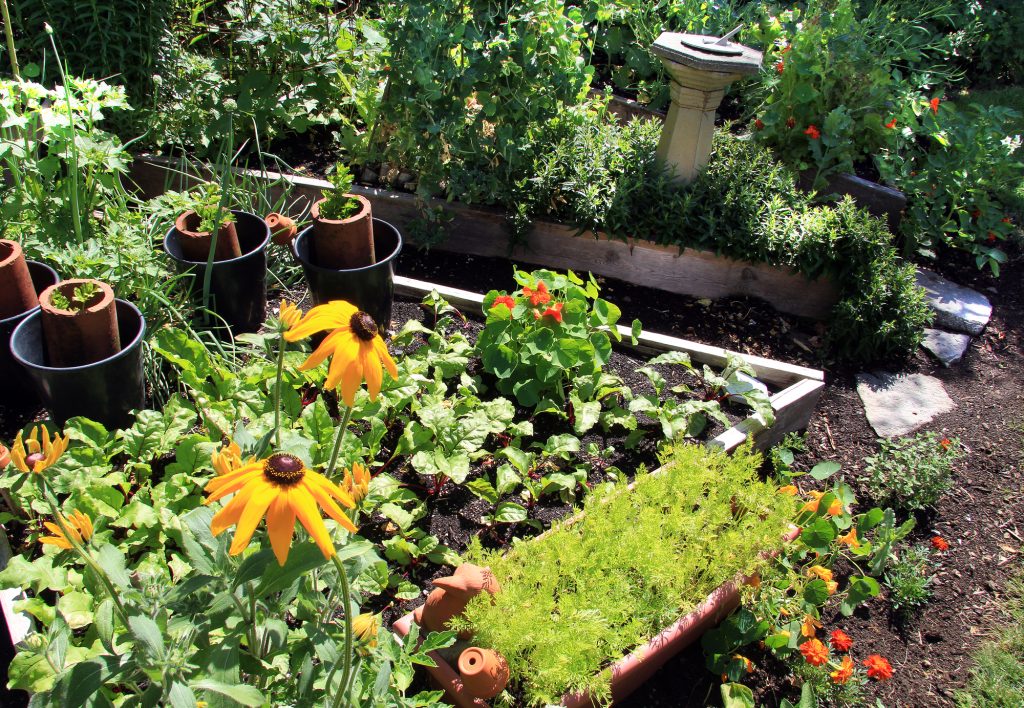
- Fresh Greens: Grow leafy greens in containers or vertical gardens. Chickens love spinach, kale, and lettuce, which can be harvested regularly and fed as treats.
- Kitchen Scraps: Safely supplement their diet with vegetable peels and fruit, but avoid anything toxic like avocado or raw potato skins.
For more ideas on maximizing food production in limited areas, explore practical advice for small-space homesteading to integrate chickens with your garden or container setups.
Managing Flock Health in Limited Areas
Keeping chickens healthy in a confined environment requires proactive management. Overcrowding can lead to stress, disease, and reduced egg laying. Here are some essential practices:
- Regular Cleaning: Remove droppings and replace bedding frequently to minimize odor and disease.
- Dust Baths: Provide a shallow container filled with sand and wood ash to help hens control mites and stay clean.
- Monitor Behavior: Watch for signs of bullying or feather pecking, which can be more common in small flocks. Add distractions like hanging cabbage or treat balls to keep birds occupied.
- Routine Health Checks: Inspect your flock weekly for parasites, injuries, or signs of illness.
Healthy hens are productive hens. By staying on top of flock care, you’ll support steady egg production throughout the year.
Creative Solutions for Maximizing Egg Yield
Even in the smallest spaces, a few creative adjustments can make a big difference in your egg harvest. Consider these additional small-space egg production tips:
- Lighting: Hens need about 14-16 hours of light daily to lay consistently. In winter, supplement natural daylight with safe, low-wattage LED bulbs to maintain production.
- Rotation and Rest: If possible, rotate your flock between two small runs or use portable fencing. This gives grass and soil time to recover, reducing parasite loads and providing fresh forage.
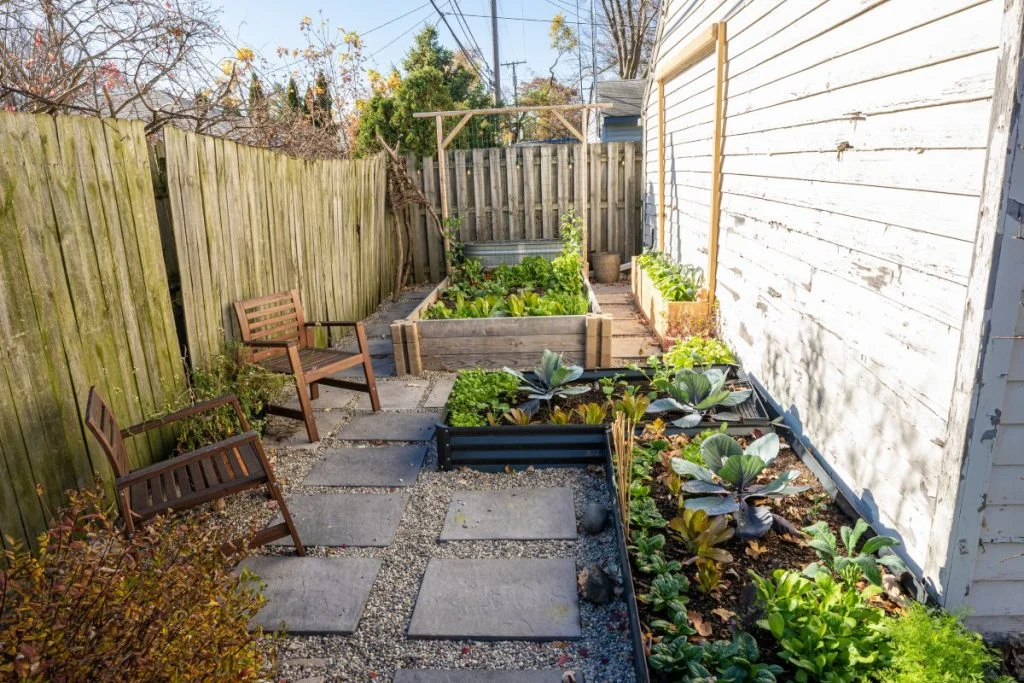
- Integrated Gardening: Place chicken runs near garden beds. Chickens can help till soil, eat pests, and fertilize the ground, making your entire homestead more productive.
- Vertical Gardening: Grow herbs and greens on trellises or shelves around the coop. Not only does this save space, but it also provides shade and fresh treats for your hens.
For more ideas on what to grow alongside your flock, see best vegetables to grow at home for a productive, space-saving garden.
Frequently Asked Questions
How many chickens can I keep in a small backyard?
The number of chickens depends on your available space and local regulations. As a general rule, allow at least 2-3 square feet per bird inside the coop and 8-10 square feet per bird in the run. Always check city ordinances before starting your flock.
What is the best feed for hens in limited spaces?
A balanced commercial layer feed is ideal, as it provides the necessary protein, calcium, and nutrients for egg production. Supplement with fresh greens and occasional treats, but avoid overfeeding scraps that could attract pests.
How can I keep my chickens healthy in a confined area?
Maintain cleanliness by regularly removing waste and changing bedding. Provide dust baths, monitor for signs of illness, and ensure your coop is well-ventilated. Enrichment activities, such as treat balls or hanging vegetables, help reduce stress and prevent boredom-related issues.
Conclusion
Producing a steady supply of eggs in a compact space is achievable with the right approach. By choosing suitable breeds, optimizing your coop design, providing balanced nutrition, and staying proactive with flock health, you can enjoy fresh eggs year-round. For those looking to expand their homesteading skills, explore how to grow onions from bulbs or learn about easy vegetables for beginners to grow for more ways to make the most of your small-space setup.