Building a sustainable, productive homestead in today’s world means balancing traditional skills with modern efficiency. Whether you’re managing a small backyard plot or a multi-acre property, having a clear and organized set of daily responsibilities is essential. A well-structured routine not only ensures the health of your animals and crops but also helps you make the most of your time and resources. This guide outlines the essential daily tasks for contemporary homesteaders, offering practical advice to help you stay on track and enjoy the rewards of your hard work.
Before diving into the specifics, it’s helpful to understand how daily routines can vary based on your property’s size, climate, and the types of animals or gardens you maintain. For those just starting out, avoiding common pitfalls is key—resources like the modern homesteading beginner mistakes guide can provide valuable insights as you build your own system.
Core Elements of a Productive Homestead Routine
Every homestead is unique, but there are some foundational tasks that form the backbone of a successful daily schedule. These chores keep your land, animals, and household running smoothly. Let’s break down the most important areas to address each day.
Animal Care: Daily Livestock and Poultry Tasks
For many, raising animals is a central part of the homesteading lifestyle. Proper animal care is non-negotiable and should be prioritized every morning and evening. Here’s a checklist of essential tasks:
- Feeding and Watering: Ensure all animals have access to fresh, clean water and appropriate feed. Check waterers for leaks or contamination, and refill as needed.
- Health Checks: Observe each animal for signs of illness or injury. Look for changes in behavior, appetite, or appearance. Early detection is crucial for preventing larger problems.
- Cleaning: Remove soiled bedding, manure, and old feed from coops, stalls, and pens. Cleanliness helps prevent disease and keeps your animals comfortable.
- Egg Collection: If you keep chickens or other poultry, collect eggs daily to maintain freshness and discourage broodiness or egg-eating.
- Fencing and Shelter Inspection: Walk the perimeter of your animal enclosures and check for damage or weak spots. Secure any loose boards or wires. For more detailed advice, refer to the modern homesteading fencing guide.
Garden and Crop Maintenance: Keeping Plants Thriving
Whether you’re growing vegetables, herbs, or fruit, tending to your garden is a daily commitment. Staying consistent with these tasks ensures healthy growth and abundant harvests:
- Watering: Check soil moisture and water as needed, especially during dry spells. Early morning is best to minimize evaporation and fungal issues.
- Pest and Disease Monitoring: Inspect leaves and stems for signs of pests or disease. Remove affected plants or treat as appropriate to prevent spread.
- Weeding: Pull weeds daily to reduce competition for nutrients and water. Mulching can help suppress weed growth and retain soil moisture.
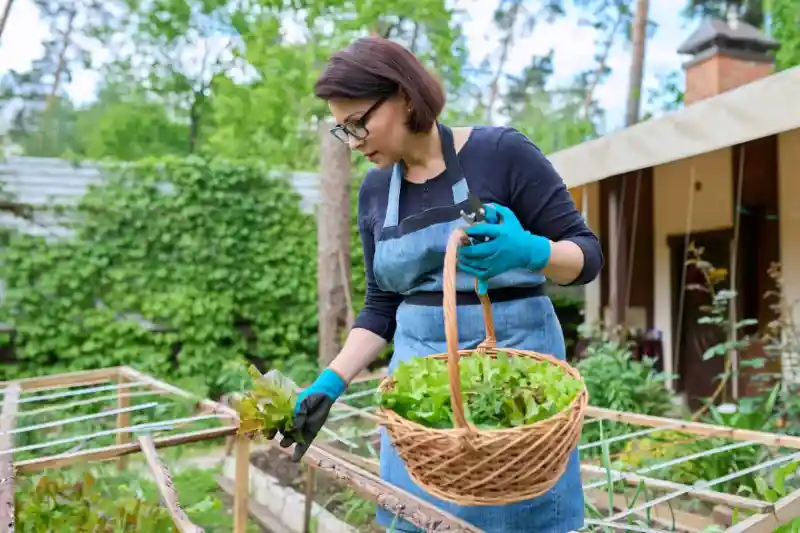
- Harvesting: Pick ripe produce, herbs, or flowers to encourage continued production and prevent spoilage.
- Tool Care: Clean and store garden tools after use to extend their lifespan and prevent the spread of soil-borne diseases.
For those interested in expanding their herbal knowledge, the modern homesteading herbal garden ideas resource is a great place to start.
Homestead Household Management: Indoor and Outdoor Chores
Daily life on a homestead isn’t limited to the barn or garden. Keeping your home and property organized is just as important. Here are some routine household tasks to consider:
- Meal Preparation: Plan and prepare meals using fresh, homegrown ingredients when possible. This reduces waste and maximizes your harvest.
- Composting: Collect kitchen scraps and yard waste for composting. Turn the compost pile regularly to speed up decomposition.
- Cleaning and Laundry: Stay on top of laundry and basic cleaning to maintain a healthy living environment.
- Inventory Checks: Monitor food stores, animal feed, and supplies. Make note of anything running low and update your shopping or to-do list.
- Budget Tracking: Record expenses and income related to your homestead. For practical tips, see the modern homesteading budgeting tips guide.
Adapting Your Daily Chores for Different Seasons
One of the unique challenges of homesteading is adjusting your routine as the seasons change. Tasks that are essential in summer may be unnecessary in winter, and vice versa. Here’s how to adapt your daily schedule throughout the year:
- Spring: Focus on planting, seed starting, and preparing animal housing for new arrivals. Increase pest monitoring as temperatures rise.
- Summer: Prioritize watering, weeding, and harvesting. Provide shade and extra water for animals during heat waves.
- Autumn: Shift to preserving harvests, preparing shelters for cold weather, and cleaning up garden beds.
- Winter: Concentrate on animal warmth, breaking ice in waterers, and maintaining indoor chores. Use downtime to plan for the next growing season.
Staying flexible and observant will help you fine-tune your routine and respond to your property’s needs as conditions shift.
Tools and Tips for Streamlining Your Homestead Routine
Efficiency is key when managing a busy homestead. Here are some strategies to help you save time and energy while keeping up with your daily responsibilities:
- Checklists: Use a written or digital checklist to track recurring chores. This helps prevent important tasks from slipping through the cracks.
- Batch Tasks: Group similar chores together—such as feeding all animals at once or watering all garden beds in one go—to minimize backtracking.
- Delegate: Involve family members or housemates in daily routines. Assign age-appropriate tasks to children to teach responsibility and lighten your load.
- Stay Organized: Keep tools and supplies in designated areas for quick access. Regularly declutter sheds, barns, and pantries.
- Educate Yourself: Stay informed about best practices and new techniques. Comparing modern and traditional homesteading approaches can help you choose what works best for your situation.
Sample Daily Chores List for Modern Homesteaders
To help you get started, here’s a sample breakdown of daily responsibilities on a typical homestead. Adjust this template to fit your property and goals:
- Open animal shelters and check all livestock
- Feed and water animals
- Collect eggs and inspect nests
- Walk fence lines and repair as needed
- Water gardens and check for pests
- Harvest ripe produce and herbs
- Weed garden beds and pathways
- Turn compost pile
- Prepare meals and process fresh food
- Clean up kitchen and living spaces
- Record expenses and update inventory
- Secure animals and close shelters at dusk
Consistency is the foundation of a thriving homestead. By developing a routine that covers these core areas, you’ll create a healthier environment for your family, animals, and crops.
Frequently Asked Questions
How can I make my daily chores more efficient?
Start by organizing your tools and supplies, using checklists, and batching similar tasks together. Involving other household members and regularly reviewing your routine for bottlenecks can also improve efficiency over time.
What if I don’t have animals—do I still need a daily chores list?
Absolutely. Even without livestock, gardens, composting, household management, and property maintenance require daily attention. Tailor your checklist to focus on plant care, food preservation, and indoor tasks.
How do I handle chores during vacations or illness?
Prepare a clear written routine and train a trusted friend, neighbor, or family member to cover essential tasks. Having a backup plan ensures your homestead runs smoothly even when you’re away or unable to work.
Conclusion
Establishing a consistent, practical daily routine is crucial for anyone pursuing a self-sufficient lifestyle. By focusing on animal care, garden maintenance, and household organization, you can create a thriving, resilient homestead. Remember to adapt your schedule as your property evolves and to seek out resources and community support along the way. With dedication and a thoughtful approach, the rewards of modern homesteading will continue to grow year after year.