Designing a home that operates independently from public utilities is an increasingly popular choice for those seeking a more self-sufficient and environmentally conscious lifestyle. Off-grid house plans focus on maximizing energy efficiency, resource conservation, and adaptability to various climates and locations. Whether you’re interested in a remote cabin, a modern eco-home, or a compact tiny house, there are many options to consider for sustainable living.
This article explores essential features, design strategies, and practical considerations for creating a resilient homestead. If you’re new to this journey, learning from others’ experiences can be invaluable. For example, understanding common pitfalls is covered in the modern homesteading beginner mistakes guide, which can help you start your project on the right foot.
Key Elements of Sustainable Off-Grid Home Designs
When evaluating off-grid house plans, several core elements should be prioritized to ensure comfort, efficiency, and long-term viability. These features not only reduce your reliance on external systems but also help minimize your ecological footprint.
- Passive Solar Design: Orienting your home to capture sunlight for natural heating and lighting can significantly reduce energy needs.
- Efficient Insulation: High-quality insulation in walls, roofs, and floors keeps indoor temperatures stable, reducing heating and cooling demands.
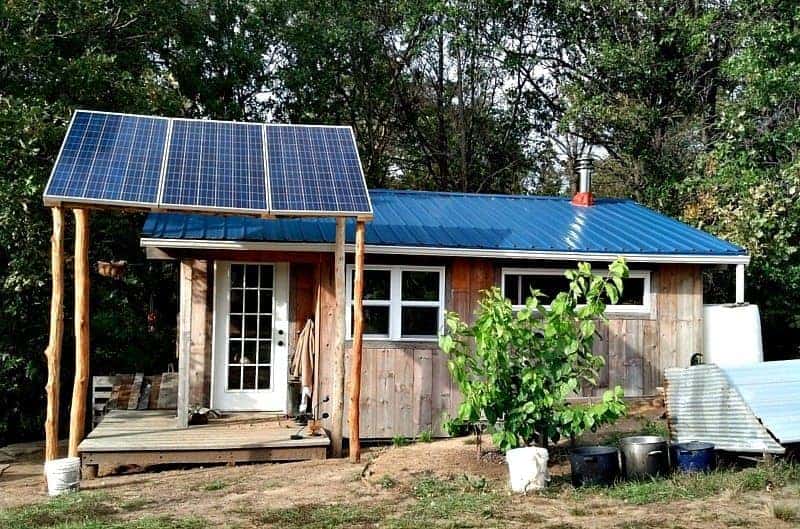
- Renewable Energy Systems: Solar panels, wind turbines, and micro-hydro setups are common energy sources for off-grid dwellings.
- Water Collection and Filtration: Rainwater harvesting and greywater recycling systems are essential for water independence.
- Composting Toilets and Septic Solutions: These alternatives manage waste sustainably without relying on municipal systems.
- Local and Recycled Materials: Using materials sourced from your region or reclaimed from other projects reduces environmental impact and often lowers costs.
Popular Types of Off-Grid Homes
There is no one-size-fits-all approach to living independently. The best plan depends on your climate, land, budget, and personal preferences. Here are some of the most popular categories:
Cabins and Small Cottages
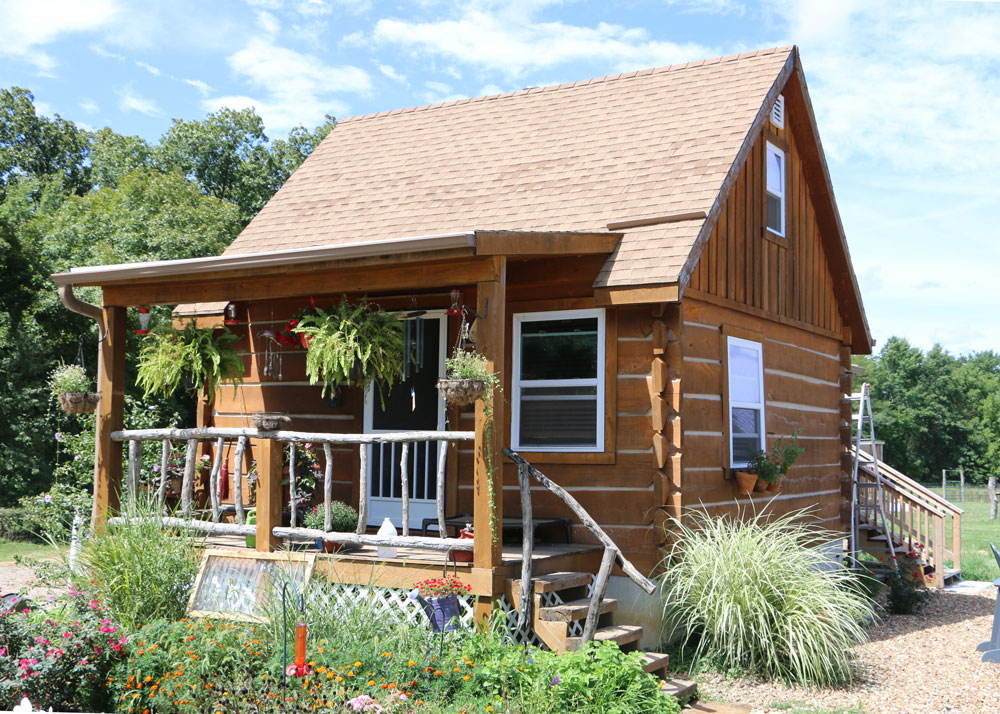
Rustic cabins and compact cottages are classic choices for remote living. Their smaller footprint makes them easier to heat, cool, and maintain. Many designs incorporate open floor plans, lofted sleeping areas, and wraparound porches to maximize usable space and connection to the outdoors.
Modern Eco-Homes and Earthships
For those seeking innovative architecture, modern eco-homes and earthships offer advanced features like thermal mass walls, greenhouse integration, and off-grid technology. These designs often include large south-facing windows, earth-bermed construction, and systems for food production within the home itself.
If you’re interested in securing your property, the modern homesteading fencing guide provides practical advice on building resilient boundaries for your land.
Tiny Houses and Mobile Dwellings
Tiny homes and converted vehicles (like vans or buses) are ideal for flexibility and mobility. These compact structures can be outfitted with solar panels, composting toilets, and efficient appliances, making them suitable for both stationary and on-the-move lifestyles.
Planning Your Off-Grid Homestead: Practical Steps
Transitioning to an independent lifestyle requires careful planning and a realistic understanding of your needs. Here are some actionable steps to help you get started:
- Assess Your Land: Evaluate sunlight exposure, water sources, soil quality, and access to resources. These factors will influence your design and systems.
- Set a Realistic Budget: Factor in not only construction costs but also the price of renewable energy systems, water infrastructure, and ongoing maintenance. For tips on managing expenses, see the modern homesteading budgeting tips guide.
- Choose the Right Plan: Select a layout that matches your climate, family size, and long-term goals. Consider future expansion if needed.
- Prioritize Energy and Water Independence: Invest in reliable solar, wind, or hydro systems and robust water collection and filtration solutions.
- Design for Food Production: Incorporate space for gardens, greenhouses, or raised beds. This not only provides fresh food but also enhances your self-sufficiency.
- Plan for Livestock and Storage: If you intend to raise animals, include secure shelters and storage for feed and supplies. For those interested in backyard dairy, the modern homesteading backyard dairy basics article offers helpful insights.
Gardening and Food Security in Off-Grid Settings
Growing your own food is a cornerstone of independent living. Raised beds, permaculture gardens, and companion planting can maximize yields even in limited spaces. For inspiration and practical advice, check out the modern homesteading herbal garden ideas resource.
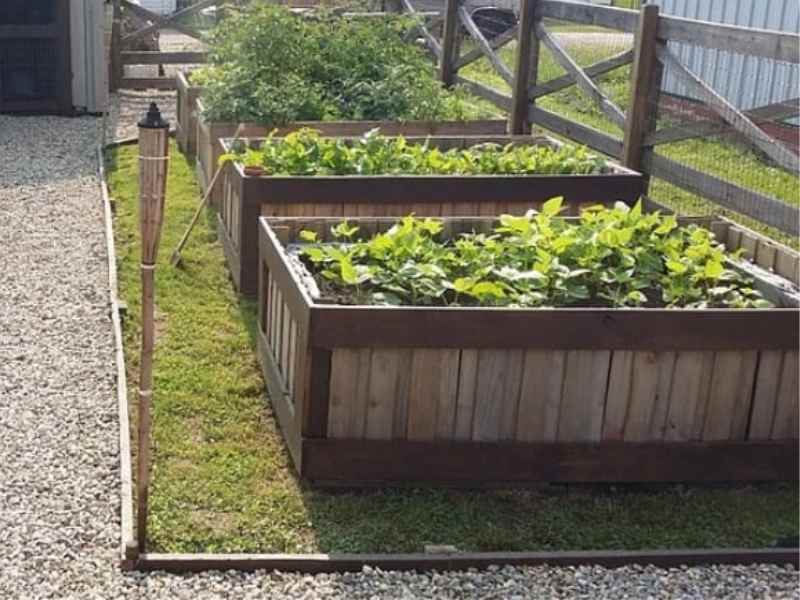
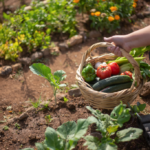
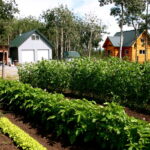
Integrating food production into your home design can include vertical gardens, greenhouse additions, or even edible landscaping. Using raised beds, like those shown above, helps improve soil quality and simplifies maintenance. For those interested in expanding their skills, exploring what to know about homesteading can provide a broader perspective on sustainable practices.
Common Challenges and Solutions for Off-Grid Living
While living independently offers many rewards, it also comes with unique challenges. Here are some common issues and practical ways to address them:
- Energy Storage: Battery banks are essential for storing solar or wind energy. Choose high-quality, deep-cycle batteries and monitor them regularly.
- Water Scarcity: Droughts or dry seasons can impact your supply. Install large-capacity cisterns and practice water conservation techniques.
- Waste Management: Composting toilets and greywater systems require regular maintenance. Educate yourself on proper care to avoid issues.
- Extreme Weather: Design your home to withstand local hazards, such as heavy snow, high winds, or wildfires. Reinforced roofs, storm shutters, and defensible landscaping are wise investments.
- Access to Supplies: Stock up on essentials and establish relationships with local suppliers. Consider building a root cellar or pantry for long-term storage.
Frequently Asked Questions
What are the most important features in off-grid home designs?
The most critical features include robust insulation, renewable energy systems (like solar panels), water collection and filtration, and sustainable waste management. Incorporating passive solar design and using local materials also contribute to efficiency and resilience.
How much does it cost to build an off-grid house?
Costs vary widely depending on size, location, and chosen systems. Smaller cabins or tiny homes can be built for under $50,000, while larger, high-tech eco-homes may exceed $200,000. It’s important to budget for energy and water systems, as well as ongoing maintenance.
Can I grow enough food to be self-sufficient?
With careful planning, many off-grid homeowners produce a significant portion of their food. Raised beds, greenhouses, and permaculture techniques can increase yields. However, climate, soil quality, and available space will influence your level of self-sufficiency.
Are there legal restrictions on building off-grid?
Local zoning laws, building codes, and health regulations vary. Always check with your local authorities before starting construction to ensure compliance with all requirements.