Creating vertical towers for plants is a practical way to maximize growing space, especially for those with limited garden area or looking to add visual interest to their landscape. These upright structures allow you to grow more in less space, improve air circulation, and make harvesting easier. Whether you want to cultivate herbs, vegetables, or flowers, vertical gardening offers flexibility and efficiency for both beginners and experienced growers.
In this article, you’ll learn step-by-step methods to build your own plant towers, discover the best materials to use, and find tips for maintaining healthy, productive vertical gardens. If you’re interested in enhancing your homestead with other sustainable projects, you may also want to explore the modern homesteading fencing guide for practical boundary solutions.
Why Choose Vertical Gardening Structures?
Vertical towers offer several advantages over traditional horizontal beds. By growing upward, you can:
- Utilize small spaces efficiently, making them ideal for balconies, patios, or compact yards.
- Reduce weed pressure and soil-borne diseases by keeping plants off the ground.
- Improve sunlight exposure for all plants, leading to healthier growth and higher yields.
- Make watering and harvesting more accessible and less strenuous on your back.
Many homesteaders and urban gardeners have found that vertical plant towers not only save space but also add a decorative element to their outdoor areas. For those new to sustainable living, resources like the homesteading lifestyle guide provide additional inspiration for integrating vertical gardening into a broader self-sufficient lifestyle.
Essential Materials for Building Plant Towers
Before starting your project, gather the necessary supplies. The materials you choose will depend on your budget, available space, and the types of plants you wish to grow. Common options include:
- Stackable containers or pots
- Wire mesh or hardware cloth for support
- PVC pipes or sturdy wooden stakes
- Fabric grow bags for lightweight, flexible structures
- Soil mix suitable for your chosen plants
- Drip irrigation components or watering cans
Many gardeners opt for pre-made containers, but DIY towers can be assembled from recycled materials or items found at home improvement stores. For those interested in herbal gardening, check out the modern homesteading herbal garden ideas for creative ways to incorporate vertical elements.
Step-by-Step Guide: Constructing Your Own Vertical Plant Tower
Building a vertical tower is straightforward and can be adapted to suit your needs. Here’s a simple method using stackable containers:
- Choose a Location: Select a spot that receives adequate sunlight for your chosen plants. Ensure the area is level and has good drainage.
- Prepare the Base: Place the largest container at the bottom. Fill it with a high-quality potting mix, leaving a few inches at the top.
- Stack Additional Layers: Place the next container on top, slightly smaller than the base, and fill with soil. Repeat until you reach the desired height, ensuring stability at each level.
- Plant Selection: Add your chosen plants, starting with larger or trailing varieties at the bottom and smaller, upright types at the top.
- Watering and Maintenance: Water thoroughly after planting. Consider installing a drip irrigation system for consistent moisture.
For a more rustic look, use wire mesh cylinders lined with landscape fabric and filled with soil. Cut holes in the sides to insert seedlings, creating a lush, green column as the plants grow.
Best Plants for Upright Growing Structures
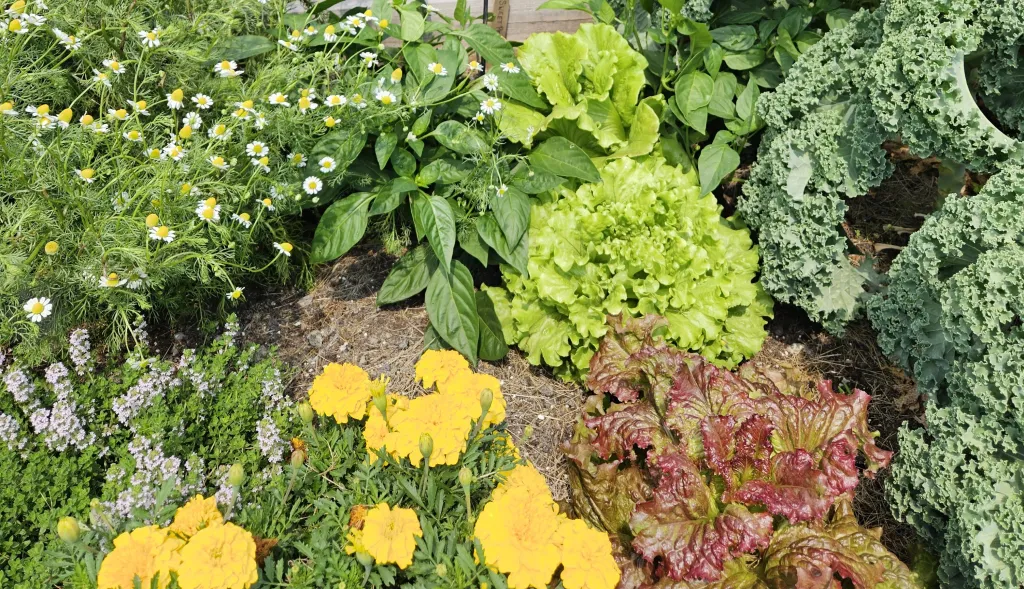
Not all plants thrive in vertical setups. For best results, choose varieties that are naturally compact, trailing, or vining. Popular choices include:
- Strawberries
- Lettuce and leafy greens
- Herbs like basil, parsley, and thyme
- Cherry tomatoes
- Peas and beans (with support)
- Succulents and small flowers
Mix and match to create an attractive, productive tower. For those interested in integrating edible and medicinal plants, the herbal garden ideas resource offers additional inspiration.
Tips for Maintaining Healthy Vertical Gardens
Keeping your upright garden productive requires regular attention. Here are some essential maintenance tips:
- Watering: Vertical towers can dry out faster than ground beds. Check moisture levels frequently, especially in hot weather.
- Fertilizing: Use a balanced, slow-release fertilizer or organic compost to replenish nutrients.
- Pruning: Remove dead or yellowing leaves to encourage airflow and prevent disease.
- Support: For vining plants, add stakes or trellises as needed to keep growth upright and manageable.
- Rotation: Change plant varieties each season to minimize pest and disease buildup.
Common Mistakes and How to Avoid Them
Even experienced gardeners can run into challenges when building and maintaining vertical towers. Here are a few pitfalls to watch for:
- Overcrowding: Planting too densely can restrict airflow and lead to disease. Follow spacing recommendations for each plant.
- Poor Drainage: Ensure containers have adequate drainage holes to prevent root rot.
- Ignoring Sunlight Needs: Place towers where all sides receive enough light, or rotate them regularly.
- Neglecting Watering: Elevated containers dry out quickly. Set reminders or use automated watering systems.
For more advice on avoiding common pitfalls in self-sufficient living, you might find the modern homesteading beginner mistakes article helpful.
Frequently Asked Questions
What are the best materials for building vertical plant towers?
The most popular materials include stackable plastic or ceramic pots, wire mesh cylinders, PVC pipes, and fabric grow bags. Each option has its benefits: plastic and ceramic are durable and easy to clean, wire mesh allows for creative designs, PVC is lightweight, and fabric bags offer excellent drainage.
How often should I water plants in a vertical tower?
Watering frequency depends on the type of plants, weather, and tower material. Generally, vertical gardens need more frequent watering than ground beds because they dry out faster. Check soil moisture daily, especially during hot or windy conditions, and adjust as needed.
Can I grow vegetables in vertical towers?
Yes, many vegetables thrive in upright gardening systems. Leafy greens, herbs, strawberries, cherry tomatoes, and even some root crops like radishes can be grown successfully. Just ensure the containers are deep enough for root development and provide adequate sunlight and nutrients.
Do vertical towers work indoors?
Absolutely. Indoor vertical gardens are a great way to grow herbs and small vegetables year-round. Use LED grow lights to supplement natural sunlight and choose compact plant varieties suited for indoor conditions.