Making the most of limited square footage is a common challenge for gardeners and homesteaders. One of the most effective ways to boost plant growth in compact areas is by maximizing available light. Small-space reflective surfaces for light can dramatically brighten up shaded corners, indoor gardens, or tight outdoor plots, helping plants thrive even where sunlight is scarce. Whether you’re growing vegetables on a balcony, tending herbs in a window box, or setting up a mini greenhouse, understanding how to use reflective materials can make a noticeable difference in your results.
Reflective surfaces redirect and amplify both natural and artificial light, ensuring that every inch of your growing area gets the illumination it needs. This approach is especially valuable for urban gardeners, apartment dwellers, or anyone working with less-than-ideal lighting conditions. By strategically placing mirrors, foils, or other shiny materials, you can create a brighter, healthier environment for your plants without expensive upgrades or complicated installations.
For those new to maximizing light in compact gardens, it can be helpful to explore resources on how to grow vegetables in small spaces. Combining smart planting strategies with reflective techniques can yield impressive results, even in the tightest quarters.
Why Light Matters in Small Gardens
Light is the driving force behind photosynthesis, the process that allows plants to convert energy and grow. In small spaces, obstacles such as walls, fences, or neighboring buildings often block direct sunlight. As a result, plants may become leggy, pale, or slow to mature. By using reflective surfaces in compact spaces, you can redirect available light to reach shaded leaves and lower stems, promoting even growth and healthier crops.
Reflective materials don’t just benefit edible plants. Flowers, succulents, and even houseplants can thrive with improved light distribution. This technique is also useful for seed starting, propagation, and overwintering tender varieties indoors.
Types of Reflective Surfaces for Limited Areas
There are several materials that can be used to bounce light around a small garden or growing area. Each option has its own advantages and best-use scenarios:
- Mirrors: Glass mirrors provide the highest reflectivity and can be mounted on walls or fences to direct sunlight into dark corners. They are especially effective in outdoor patios or balconies.
- Aluminum Foil: Affordable and easy to shape, foil can be attached to cardboard or rigid panels and positioned behind plants to reflect light. It’s a popular choice for temporary setups or indoor seed trays.
- Mylar Sheets: Mylar is a highly reflective plastic film often used in grow tents and greenhouses. It’s lightweight, durable, and available in rolls for larger projects.
- White Paint: While not technically a mirror, bright white surfaces reflect a significant amount of light. Painting nearby walls, pots, or surfaces can help brighten up the area without harsh glare.
- Reflective Mulch: Silver or white plastic mulches can be laid on the soil surface to reflect light upward, benefiting the lower parts of plants and helping control weeds.
Choosing the right material depends on your space, budget, and aesthetic preferences. For most home gardeners, a combination of these options provides the best results.
Best Practices for Installing Reflective Materials
To get the most benefit from reflective surfaces in small areas, placement is key. Here are some practical tips:
- Position for Maximum Sun: Place mirrors or panels on the side of your space that receives the most sunlight. Angle them to direct light toward shaded plants or darker corners.
- Keep Surfaces Clean: Dust and dirt reduce reflectivity. Wipe down mirrors, foils, or Mylar regularly to maintain their effectiveness.
- Secure Materials Safely: Use weather-resistant adhesives, hooks, or frames to keep panels in place, especially outdoors where wind or rain could dislodge them.
- Avoid Overheating: In hot climates, too much reflected sunlight can stress plants. Monitor temperatures and provide shade cloth if needed.
- Combine with Artificial Light: In extremely dim spaces, supplementing with LED grow lights and using reflective surfaces together can ensure plants receive balanced, full-spectrum illumination.
Experiment with different angles and materials to find what works best for your unique setup. Even small adjustments can have a noticeable impact on plant health and productivity.
Creative Ways to Use Reflective Surfaces in Tight Spaces
There are countless ways to integrate small-space reflective surfaces for light into your gardening routine. Here are a few creative ideas:
- DIY Reflective Panels: Attach aluminum foil to cardboard and prop it behind potted plants on windowsills or balconies.
- Hanging Mirrors: Suspend lightweight mirrors from fences or balcony railings to catch and redirect sunlight throughout the day.
- Reflective Plant Stands: Use white or mirrored trays under pots to bounce light upward, benefiting lower leaves.
- Portable Mylar Screens: Create foldable Mylar panels that can be moved around as needed, perfect for renters or changing sun angles.
- Reflective Mulch in Raised Beds: Lay silver or white plastic mulch between rows to increase light exposure and suppress weeds.
These solutions are affordable, easy to implement, and can be adapted for both indoor and outdoor gardens. For more inspiration on maximizing yields in compact settings, consider reading about the history and techniques of homesteading in North America.
Combining Reflective Surfaces with Other Small-Space Gardening Techniques
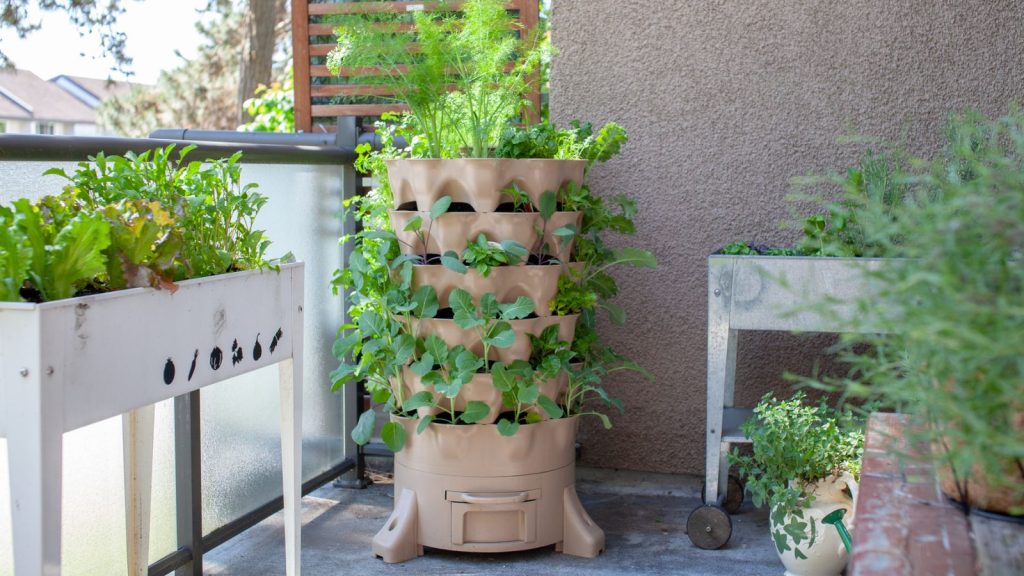
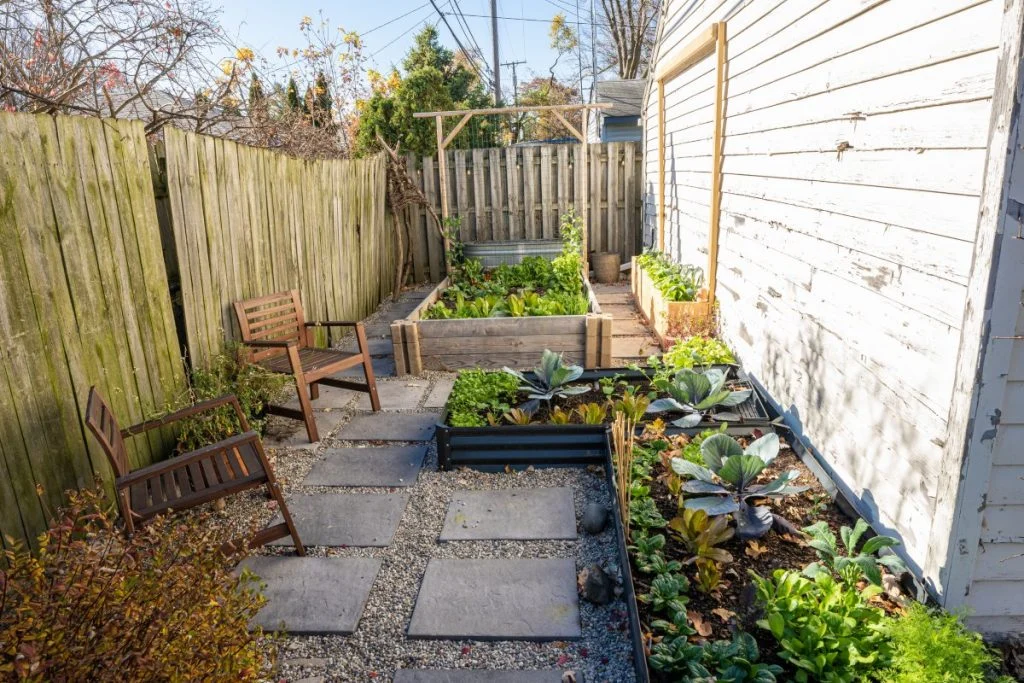
To truly maximize your harvest in limited areas, pair reflective materials with other proven strategies. Raised beds, vertical gardening, and container setups all benefit from increased light. For example, using reflective panels behind a vertical garden can ensure that even the lowest tiers receive adequate sunlight. Similarly, lining the inside of a small greenhouse or cold frame with Mylar or white paint can boost light levels and encourage robust growth.
Choosing the right crops is also important. Some vegetables and herbs are better suited to compact environments and lower light conditions. If you’re unsure where to start, check out guides on the best vegetables to grow at home or easy vegetables for beginners to grow for practical recommendations.
Common Mistakes to Avoid When Using Reflective Materials
While reflective surfaces are generally safe and effective, there are a few pitfalls to watch out for:
- Overconcentration of Light: Focusing too much reflected light on one spot can scorch leaves or overheat plants. Always monitor your setup and adjust as needed.
- Improper Placement: Placing mirrors or foil where they don’t catch direct sunlight will have little effect. Observe sun patterns throughout the day to optimize positioning.
- Ignoring Safety: Secure all materials to prevent accidents, especially in windy or high-traffic areas. Avoid using glass mirrors in places where they could break easily.
- Neglecting Maintenance: Dirty or damaged surfaces lose their reflectivity. Regular cleaning and inspection are essential for ongoing performance.
By keeping these considerations in mind, you can safely and effectively use reflective materials to enhance your small garden’s productivity.
Frequently Asked Questions
What is the best reflective material for a small indoor garden?
Mylar sheets and aluminum foil are both excellent choices for indoor gardens. Mylar offers high reflectivity and is easy to install on walls or around grow lights. Aluminum foil is more affordable and works well for temporary setups or small seed trays. For a more permanent solution, painting walls or surfaces bright white can also help reflect light effectively.
Can reflective surfaces help plants grow faster?
Yes, by increasing the amount of light that reaches all parts of the plant, reflective surfaces can promote faster and more even growth. This is especially true in areas with limited natural sunlight. However, it’s important to balance light intensity and avoid overheating or burning sensitive plants.
Are there any risks to using mirrors or foil in the garden?
The main risks are overheating plants or creating glare that can be uncomfortable for people. Always monitor the temperature and adjust the placement of mirrors or foil as needed. Secure all materials to prevent them from falling or causing injury, and avoid using glass mirrors in areas where they could break easily.
Conclusion
Making use of small-space reflective surfaces for light is a practical, affordable way to boost plant health and yields in compact gardens. With the right materials and thoughtful placement, even the shadiest corners can become productive growing spaces. Combine reflective techniques with smart crop choices and efficient layouts for the best results. Whether you’re gardening on a balcony, in a backyard, or indoors, a little extra light can go a long way toward a thriving, bountiful harvest.