Growing fresh, crisp lettuce doesn’t require a large backyard or elaborate raised beds. With a few practical strategies, anyone can enjoy homegrown greens—even in the tightest spaces. Whether you have a balcony, patio, or sunny windowsill, small-space lettuce gardening offers a rewarding way to add nutrition and flavor to your meals. This guide covers the essentials for maximizing yield, maintaining healthy plants, and making the most of every inch available.
Before diving into container choices and care routines, it’s helpful to explore other crops that thrive in compact environments. For more inspiration, check out this guide on how to grow vegetables in small spaces, which offers additional tips for urban and small-scale gardeners.
Choosing the Right Containers for Compact Lettuce Gardens
One of the first steps in a successful small-space lettuce gardening project is selecting suitable containers. Lettuce has shallow roots, so deep pots aren’t necessary. Instead, focus on width and drainage. Window boxes, shallow planters, and even recycled food containers can work well, provided they have holes for excess water to escape.
- Fabric grow bags are lightweight, breathable, and easy to move. They promote healthy root development and prevent waterlogging.
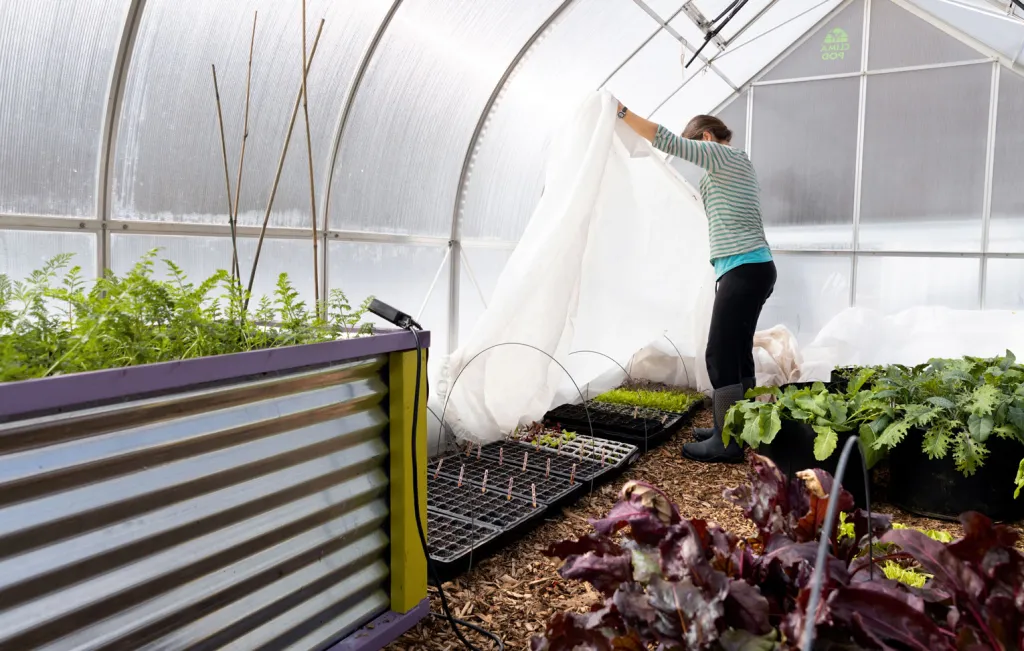
- Galvanized metal troughs or plastic tubs are durable and can accommodate multiple plants.
- Repurposed containers, such as salad bowls or storage bins, offer budget-friendly options—just ensure they’re food-safe and have drainage holes.
When arranging containers, prioritize locations that receive at least 4–6 hours of sunlight daily. South-facing balconies or patios are ideal, but lettuce can also grow under artificial lights if outdoor space is limited.

Soil and Fertility: Setting Up for Success
Healthy lettuce starts with the right soil. Use a high-quality potting mix that retains moisture but drains well. Avoid garden soil, which can compact in containers and lead to poor aeration. For best results, blend in some compost or worm castings to boost fertility and encourage robust growth.
Because containers leach nutrients faster than garden beds, plan to fertilize every two to three weeks. A balanced liquid fertilizer or organic option like fish emulsion works well. Monitor your plants for pale leaves or slow growth, which can signal a need for extra feeding.
Planting and Spacing for Maximum Yield
When practicing small-space lettuce gardening, efficient use of space is key. Sow seeds or transplant seedlings close together, but not so tightly that airflow is restricted. Leaf lettuces can be spaced as little as 4 inches apart, while heading types need about 6–8 inches. This close planting helps shade the soil, reducing evaporation and suppressing weeds.
For a continuous harvest, try succession planting. Sow new seeds every two weeks so you always have young leaves ready to pick. Many gardeners prefer to grow a mix of varieties—romaine, butterhead, and loose-leaf types—to enjoy different textures and flavors.

Watering and Light: Meeting Lettuce Needs in Tight Quarters
Lettuce prefers consistently moist soil, but not soggy conditions. In containers, check moisture daily—especially during warm weather. Water at the base of the plants in the morning to minimize evaporation and discourage fungal issues. Self-watering planters or drip systems can help maintain even moisture with less effort.
Sunlight is another critical factor. Most lettuce varieties need at least 4 hours of direct sun, though they appreciate some afternoon shade in hot climates. If outdoor light is limited, supplement with LED grow lights to ensure steady, healthy growth. Position lights a few inches above the plants and run them for 12–14 hours daily for best results.
Pest and Disease Management for Urban Lettuce
While growing lettuce in compact spaces can reduce some pest problems, it’s still important to monitor for aphids, slugs, and fungal diseases. Inspect leaves regularly and remove any damaged or infested foliage. Encourage beneficial insects like ladybugs, or use insecticidal soap for minor outbreaks.
Good air circulation is essential to prevent mildew and rot. Avoid overcrowding, and if possible, rotate containers to different spots every few weeks. Clean old leaves and debris from the soil surface to minimize disease risk.
Harvesting and Maintaining a Productive Lettuce Patch
One of the joys of small-space lettuce gardening is the ability to harvest as needed. For leaf types, snip outer leaves when they reach 3–4 inches, allowing the center to keep growing. Heading varieties can be cut at the base once mature. Regular harvesting encourages new growth and extends the productive season.
After a few months, lettuce may begin to bolt (send up a flower stalk), especially in hot weather. When this happens, leaves turn bitter and growth slows. Remove bolting plants and replant with fresh seeds to keep your supply going.
If you’re interested in expanding your homegrown produce, consider reading about the best vegetables to grow at home for a more diverse harvest.
Advanced Tips for Maximizing Small-Space Lettuce Yields
- Vertical gardening: Use shelves, plant stands, or hanging baskets to multiply your growing area.
- Mix fast- and slow-growing varieties in the same container for continuous harvests.
- Experiment with cut-and-come-again harvesting to keep plants productive longer.
- Try growing lettuce indoors during colder months with supplemental lighting.
For those new to gardening, lettuce is one of the easy vegetables for beginners to grow, making it a perfect starting point for small-space projects.
Resources and Further Reading
To deepen your knowledge of sustainable gardening and homesteading, explore the wealth of advice available at Mother Earth News homesteading resources. These guides offer practical tips for making the most of any growing space, no matter how limited.
Frequently Asked Questions
What types of lettuce grow best in containers?
Loose-leaf and butterhead varieties are especially well-suited to containers. They mature quickly, tolerate close spacing, and can be harvested leaf by leaf. Romaine and mini-head types also perform well if given enough space.
How often should I water lettuce in small containers?
Check soil moisture daily. Lettuce prefers consistently moist soil, so water when the top inch feels dry. In hot or windy conditions, you may need to water every day. Self-watering planters can help maintain even moisture levels.
Can I grow lettuce indoors without natural sunlight?
Yes, lettuce can thrive indoors under LED grow lights. Position the lights close to the plants and run them for 12–14 hours each day. Choose compact varieties and ensure good air circulation to prevent disease.
When is the best time to plant lettuce in small spaces?
Lettuce prefers cool weather. Plant in early spring or fall for best results. If you’re unsure about timing, see this guide on when to plant vegetables in spring for more details.