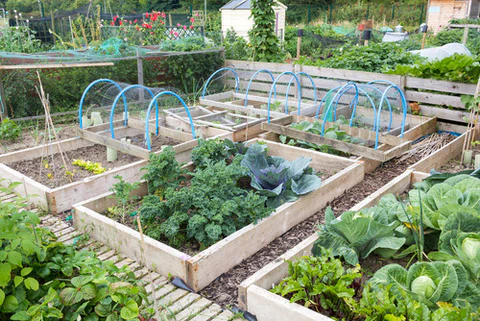
Urban living, limited yards, or even just a small patio shouldn’t prevent anyone from enjoying the rewards of growing fresh produce and flowers. Small-space gardening for beginners offers a practical way to cultivate plants in compact areas, making it accessible for apartment dwellers, renters, and anyone with minimal outdoor space. With the right strategies, even a tiny balcony or sunny windowsill can become a productive green oasis.
This guide covers the essential steps to launch your own compact garden, from choosing the right containers to selecting plants that thrive in close quarters. You’ll also find practical tips, product recommendations, and links to more in-depth resources for your homesteading journey.
For those interested in expanding their homesteading skills beyond gardening, the modern homesteading herbal garden ideas article offers inspiration for integrating herbs into your home environment.
Why Try Compact Gardening?
Starting a garden in a limited area comes with unique advantages. It’s easier to manage, requires less time and resources, and can be adapted to almost any lifestyle. Whether you’re looking to grow fresh herbs for your kitchen, cultivate salad greens, or simply add greenery to your living space, small-scale gardening makes it achievable.
- Efficient use of space: Vertical gardening, container setups, and creative layouts allow for maximum yield in minimal square footage.
- Accessibility: Raised beds and containers can be placed at a comfortable height, making gardening easier for people with mobility challenges.
- Flexibility: Moveable pots and modular systems let you adjust your garden as seasons and sunlight change.
Choosing the Right Location for Your Mini Garden
Success in small-space gardening for beginners often starts with picking the best spot. Look for areas that receive at least 4–6 hours of sunlight daily. South- or west-facing balconies, patios, or windowsills are ideal. If outdoor space is unavailable, consider indoor options with supplemental lighting.
Keep in mind:
- Observe how sunlight moves across your space throughout the day.
- Check for wind exposure, which can dry out pots quickly.
- Ensure easy access to water for regular irrigation.
Essential Tools and Supplies for Beginners
Getting started doesn’t require a shed full of tools. A few basic items will set you up for success:
- Containers or grow bags (with drainage holes)
- Quality potting mix suitable for containers
- Hand trowel and small pruners
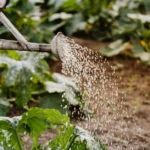
- Watering can or hose with a gentle spray
- Fertilizer designed for edible or ornamental plants
Investing in the right supplies from the start can make your gardening experience smoother and more enjoyable.
Best Plants for Limited Spaces
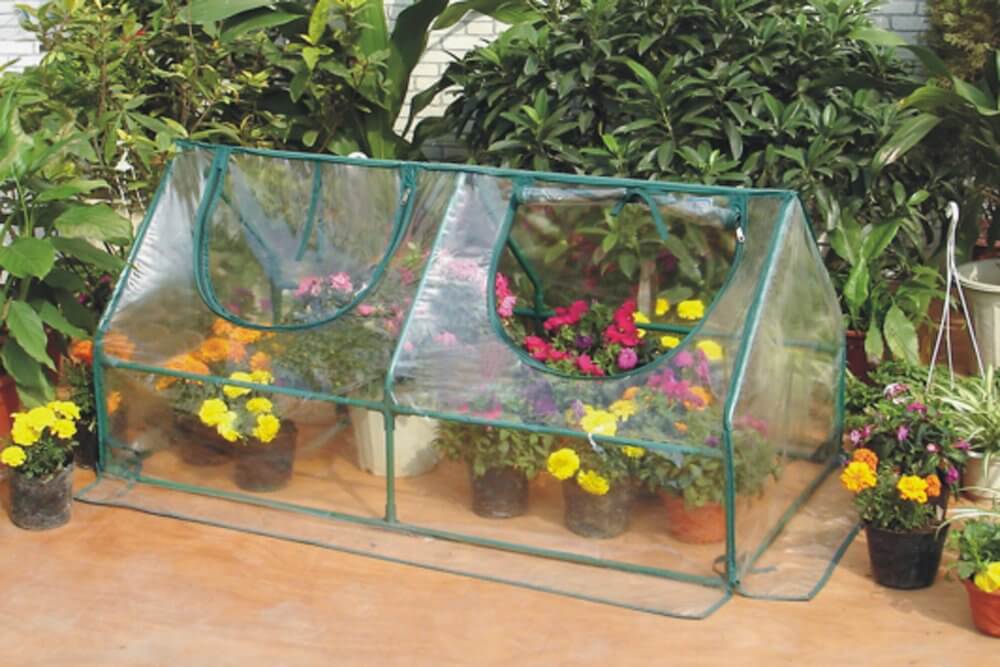
When space is at a premium, choosing the right crops is key. Some plants naturally thrive in containers and small beds. Consider these beginner-friendly options:
- Herbs: Basil, parsley, chives, mint, and thyme grow well in pots and provide fresh flavor for your kitchen.
- Leafy greens: Lettuce, spinach, and arugula are fast-growing and can be harvested multiple times.
- Compact vegetables: Cherry tomatoes, bush beans, radishes, and peppers are productive in containers.
- Edible flowers: Nasturtiums and calendula add color and are easy to grow.
- Strawberries: These can be grown in hanging baskets or vertical planters.
Look for varieties labeled as “dwarf,” “patio,” or “container” for the best results in small areas.
Container Choices and Vertical Solutions
Containers come in many shapes and materials, from classic terracotta pots to fabric grow bags and raised beds. Each has its pros and cons:
- Plastic pots: Lightweight and affordable, but may heat up quickly in direct sun.
- Terracotta: Attractive and breathable, but can dry out faster.
- Fabric grow bags: Promote healthy root growth and are easy to move.
- Raised beds: Great for patios or rooftops, offering more soil depth for root crops.
For those with very limited ground space, vertical gardening is a smart solution. Use wall-mounted planters, hanging baskets, or stacked shelves to maximize your growing area. Even a simple trellis can allow vining crops like peas or cucumbers to climb upward instead of sprawling outward.
Soil, Watering, and Fertilizing Tips
Healthy plants start with healthy soil. Use a high-quality potting mix designed for containers, as garden soil is often too dense and may not drain well. For ongoing success:
- Check soil moisture daily, especially in hot weather. Containers dry out faster than in-ground beds.
- Water deeply until water drains from the bottom, but avoid letting pots sit in standing water.
- Feed plants regularly with a balanced, water-soluble fertilizer according to package instructions.
Mulching the surface of your containers with straw or bark chips can help retain moisture and reduce weeds.
Common Challenges and How to Overcome Them
Every gardener faces a few hurdles, but with a little preparation, most issues are easy to manage in a compact setup:
- Pest control: Inspect plants regularly for aphids, mites, or snails. Hand-pick pests or use organic sprays as needed.
- Overcrowding: Avoid planting too many seeds or seedlings in one pot. Give each plant enough space to grow.
- Sunlight limitations: If your space is shady, focus on leafy greens and herbs, or supplement with LED grow lights.
- Watering mistakes: Under- or over-watering is common. Use your finger to check soil moisture before watering.
Expanding Your Homesteading Knowledge
Gardening in small spaces is just one aspect of modern homesteading. For those looking to broaden their skills, exploring topics like modern homesteading fencing guide or modern homesteading beginner mistakes can help you build a more self-sufficient lifestyle. You’ll also find valuable information on homesteading and livestock practices for those considering expanding their backyard projects.
Frequently Asked Questions
What are the easiest plants to grow in a small space?
Herbs like basil, chives, and mint, as well as leafy greens such as lettuce and spinach, are ideal for compact gardens. Cherry tomatoes and radishes are also reliable choices for beginners.
How often should I water my container garden?
Check your plants daily, especially during warm weather. Most containers need watering when the top inch of soil feels dry. Avoid letting the soil become soggy, as this can lead to root rot.
Can I grow vegetables indoors if I don’t have a balcony?
Yes, many vegetables and herbs can be grown indoors on sunny windowsills or under LED grow lights. Choose compact varieties and ensure they receive enough light and proper drainage.
Do I need special soil for container gardening?
It’s best to use a high-quality potting mix designed for containers. Regular garden soil can be too dense and may not drain well, leading to poor plant growth.
How can I maximize my harvest in a tiny garden?
Use vertical gardening techniques, choose high-yielding compact varieties, and practice succession planting by sowing new seeds as soon as space becomes available.