Embracing modern homesteading kitchen skills is about blending traditional self-sufficiency with today’s practical realities. Whether you live on several acres or in a city apartment, learning to prepare, preserve, and manage food from scratch can transform your daily life. These skills help reduce waste, save money, and foster a deeper connection to what you eat. In this guide, we’ll explore essential techniques, tools, and mindsets for anyone interested in building a resilient, resourceful kitchen.
If you’re also interested in optimizing your space and routines, check out these modern homesteading meal planning tips for more inspiration.
Foundations of a Self-Sufficient Kitchen
At the heart of any homesteader’s kitchen is a commitment to doing more with less. This means making the most of seasonal produce, minimizing food waste, and learning to create meals from scratch. The goal isn’t perfection, but rather a steady improvement in your ability to provide for yourself and your family.
- Meal planning based on what’s available or in season
- Stocking a pantry with versatile staples
- Learning to substitute ingredients and adapt recipes
- Reducing reliance on processed foods

Essential Modern Homesteading Kitchen Skills
Building a strong foundation in the kitchen starts with a handful of core abilities. Here are some of the most valuable skills for anyone interested in a more self-reliant lifestyle:
Cooking from Scratch
Preparing meals using raw ingredients is a cornerstone of modern homesteading kitchen skills. This includes everything from baking bread to making soups, sauces, and simple desserts. Mastering basic knife skills, understanding flavor combinations, and learning to use leftovers creatively are all part of this process.
Food Preservation Techniques
Preserving food extends the harvest and reduces waste. Common methods include:
- Canning – Safely storing fruits, vegetables, and even meats in jars for long-term use
- Freezing – Prepping and storing produce or meals for quick access
- Dehydrating – Removing moisture to create shelf-stable snacks or ingredients
- Fermenting – Making sauerkraut, kimchi, yogurt, or sourdough for added nutrition and flavor
Each method has its own learning curve, but starting with simple recipes and gradually expanding your repertoire makes the process manageable.
Baking and Breadmaking
Few things are as satisfying as pulling a fresh loaf from the oven. Learning to bake bread, muffins, and other baked goods gives you control over ingredients and nutrition. Sourdough, in particular, is a favorite among homesteaders for its flavor and health benefits.
Batch Cooking and Meal Prep
Preparing meals in advance saves time and energy. Batch cooking involves making large quantities of food to freeze or refrigerate for later. This approach is especially helpful during busy weeks or when you’re working with a bumper crop from the garden.
Stocking and Organizing the Homestead Pantry
A well-organized pantry is the backbone of a resilient kitchen. Focus on stocking versatile staples such as:
- Whole grains (rice, oats, flour)
- Beans and legumes
- Home-canned or store-bought tomatoes and vegetables
- Herbs, spices, and seasonings
- Vinegar, oils, and natural sweeteners
Rotate your supplies regularly to ensure freshness, and label everything clearly. Consider dedicating space for preserved foods, bulk dry goods, and emergency supplies.
Integrating Modern Tools and Technology
While the spirit of homesteading is rooted in tradition, today’s kitchen can benefit from modern conveniences. Electric pressure cookers, dehydrators, and high-quality blenders can streamline food preparation and preservation. Digital meal planning apps and online recipe databases also make it easier to organize your efforts and reduce food waste.
For those working with limited space, creative storage solutions and compact appliances can make a big difference. If you’re interested in adapting these skills to smaller homes or apartments, explore this helpful modern homesteading for small spaces resource.
Growing and Sourcing Ingredients
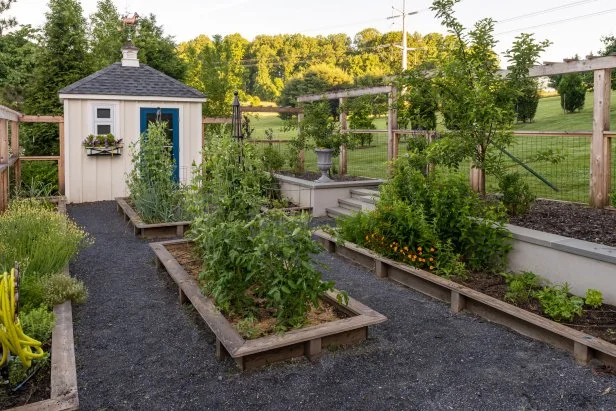
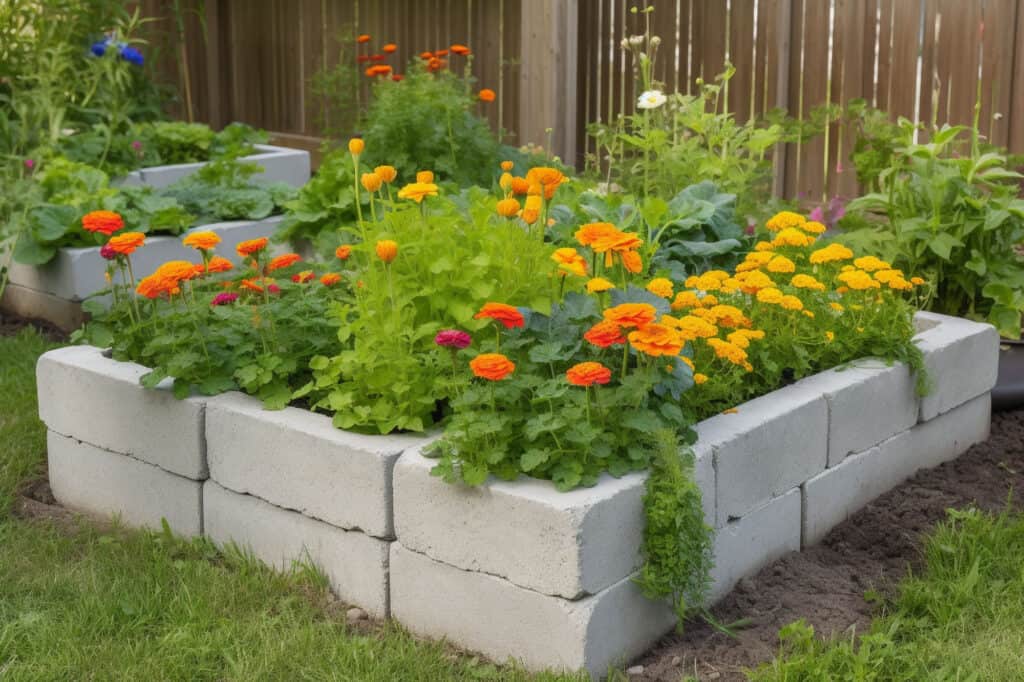
Many homesteaders grow at least some of their own food, whether it’s a full garden or a few herbs on a windowsill. Even if you don’t have land, you can source local produce through farmers’ markets, community gardens, or produce co-ops. Learning to cook with what’s in season and available locally is a key part of sustainable kitchen management.
For more on what defines a contemporary homestead, see this in-depth explanation of modern homesteading.
Reducing Waste and Maximizing Efficiency
Waste reduction is central to the homesteader’s mindset. Simple habits can make a big impact:
- Composting kitchen scraps to enrich garden soil
- Repurposing leftovers into new meals
- Using vegetable trimmings for homemade stocks
- Storing food properly to extend shelf life
Efficiency also means organizing your kitchen for easy access to tools and ingredients, and setting up routines that save time and energy.
Expanding Your Knowledge and Community
Developing modern homesteading kitchen skills is an ongoing process. There are countless books, online communities, and local workshops dedicated to these topics. Connecting with others who share your interests can provide support, inspiration, and practical advice.
You might also be interested in exploring herbal medicine practices for homesteaders or learning about homesteading with limited resources to further round out your skillset.
Frequently Asked Questions
What are the most important skills for a modern homesteader’s kitchen?
The most valuable abilities include cooking from scratch, preserving food through canning or fermenting, baking, meal planning, and reducing waste. These skills help you make the most of available resources and create nutritious meals year-round.
Can you practice homesteading kitchen skills in an apartment?
Absolutely. Many techniques, such as meal planning, scratch cooking, and small-batch preserving, can be adapted to small spaces. Even growing herbs on a windowsill or sourcing local produce supports a self-sufficient approach.
How do I start learning food preservation?
Begin with simple methods like freezing or dehydrating, then move on to canning or fermenting as you gain confidence. Start with trusted recipes and always follow safety guidelines, especially for canning.
How can I reduce food waste in my kitchen?
Plan meals around what you have, use leftovers creatively, compost scraps, and store food properly. Batch cooking and preserving surplus produce also help minimize waste.