Creating a lush garden in a limited area can be challenging, but with some creativity, you can make the most of your space. One effective way to maximize your gardening area is by using trellises. These structures not only support climbing plants but also add vertical interest to your garden. In this guide, we’ll explore various ways to build your own trellis, perfect for small spaces.
For those interested in sustainable living, incorporating trellises into your garden can enhance your modern homesteading homestead design ideas. Let’s dive into some practical and easy-to-implement trellis designs.
Choosing the Right Materials
The first step in building a trellis is selecting the appropriate materials. Opt for materials that are durable and weather-resistant. Common choices include wood, metal, and PVC. Each material has its advantages: wood is aesthetically pleasing, metal is sturdy, and PVC is lightweight and easy to work with.
Simple Trellis Designs for Small Gardens
For compact areas, consider designs that are both functional and space-efficient. Here are a few ideas:
- Wall-Mounted Trellises: These are perfect for balconies or patios. Attach a wooden or metal grid to a wall to support climbing plants like ivy or jasmine.
- Freestanding Trellises: Ideal for small gardens, these can be placed anywhere. Use them to create a vertical garden by attaching pots or planters.
- Arched Trellises: These add a decorative element to your garden. Use them to frame a pathway or entrance.
Vertical Gardening Benefits
Vertical gardening offers numerous benefits, especially for those with limited space. It allows you to grow more plants in a smaller area, improves air circulation, and makes harvesting easier. Additionally, vertical gardens can be a stunning visual feature in your outdoor space.
Maintaining Your Trellis
Once your trellis is set up, regular maintenance is key to ensuring its longevity. Check for any signs of wear or damage, especially after severe weather. Clean the structure periodically to prevent mold and mildew, and ensure that climbing plants are properly secured to avoid damage.
Additional Resources
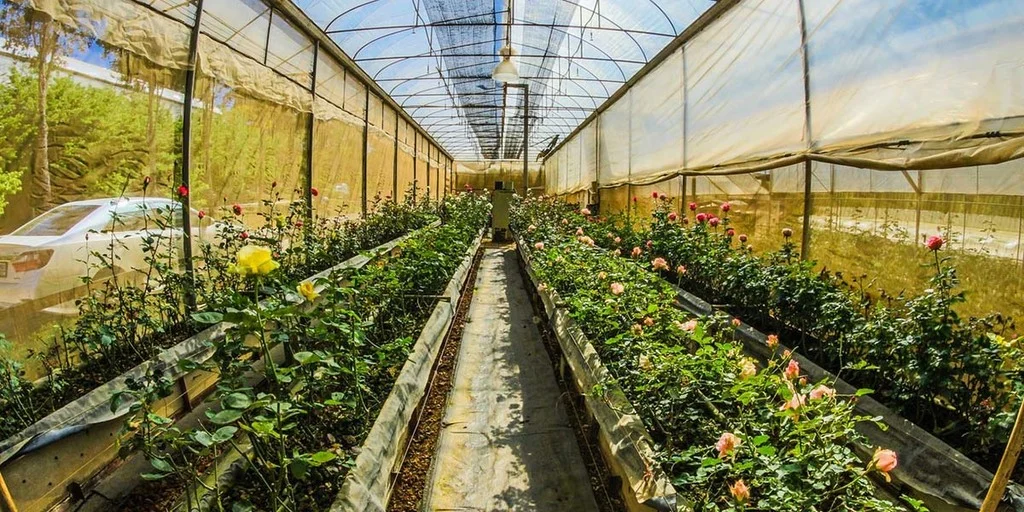
For more tips on enhancing your garden and homestead, explore resources like modern homesteading greenhouse tips. Additionally, consider learning about homesteading and livestock to expand your knowledge and skills.
FAQs
What materials are best for building a trellis?
Wood, metal, and PVC are popular choices due to their durability and ease of use. Each material offers different benefits, so choose based on your specific needs and aesthetic preferences.
How do I maintain my trellis?
Regularly inspect your trellis for damage, clean it to prevent mold, and ensure plants are securely attached. This will help prolong its lifespan and keep your garden looking its best.
Can I use a trellis indoors?
Yes, trellises can be used indoors to support houseplants or create a green wall. Ensure the structure is stable and that plants receive adequate light and water.