Building a resilient, eco-friendly homestead is a goal for many who want to live closer to nature and reduce their environmental impact. Applying permaculture principles on your property can help you design a productive, low-maintenance, and sustainable living space. These foundational ideas guide everything from garden layout to water management, animal care, and energy use, ensuring that your land works with nature rather than against it.
Whether you’re new to homesteading or looking to refine your approach, understanding how to integrate these concepts can transform your land into a thriving, regenerative system. Throughout this guide, we’ll explore the core ethics and design strategies that make permaculture so effective for homesteaders, along with practical tips and resources to help you get started.
For those interested in expanding their gardening skills, you might also find value in learning how to grow onions from bulbs as part of your diversified homestead garden.
Understanding the Ethics Behind Regenerative Homesteading
At the heart of permaculture principles for homestead design are three core ethics: care for the earth, care for people, and fair share. These ethics serve as the foundation for all decisions and practices on your property.
- Earth Care: Prioritize soil health, biodiversity, and natural resource conservation. This means minimizing chemical inputs, protecting water sources, and encouraging native plants and wildlife.
- People Care: Create a safe, nourishing, and inclusive environment for everyone on the homestead. This includes sharing knowledge, food, and resources with your family and community.
- Fair Share: Recognize limits to consumption and redistribute surplus. This could involve sharing seeds, produce, or skills with neighbors, or reinvesting excess yields back into your land.
By grounding your homestead in these ethics, you set the stage for a more harmonious and productive relationship with your environment.
Key Permaculture Principles for Homestead Design
Permaculture is built on a set of guiding principles that help you observe, plan, and manage your land efficiently. Here are some of the most important concepts to incorporate into your homestead:
Observe and Interact with Your Land
Spend time watching how sunlight, wind, water, and wildlife move across your property throughout the seasons. This observation phase is crucial for identifying microclimates, natural flows, and potential problem areas. Take notes, sketch maps, and talk to local gardeners to learn what works best in your region.
Catch and Store Energy
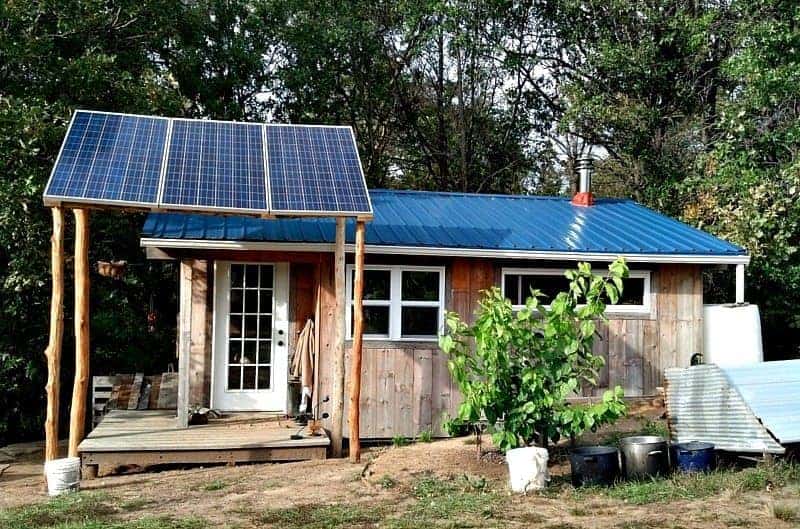
Efficient homesteads capture and store resources like rainwater, solar energy, and organic matter. Installing rain barrels, compost bins, and solar panels are practical ways to harness and save energy for later use. These systems reduce reliance on outside inputs and make your property more self-sufficient.
Obtain a Yield
Every element on your homestead should provide a useful output, whether it’s food, fiber, fuel, or habitat. Planting perennial crops, raising chickens, or establishing a food forest ensures that your land produces ongoing yields with less labor over time.
Apply Self-Regulation and Accept Feedback
Monitor your systems regularly and be willing to adapt. If a particular crop fails or a water feature isn’t working as intended, make adjustments based on what you observe. This flexible approach helps you avoid repeating mistakes and improves your homestead’s resilience.
Use and Value Renewable Resources
Favor renewable materials and energy sources wherever possible. For example, use mulch from local wood chips, harvest rainwater, and rely on solar-powered tools. These choices reduce your ecological footprint and support long-term sustainability.
Produce No Waste
One of the most powerful permaculture principles is to design systems where outputs from one process become inputs for another. Compost kitchen scraps, reuse greywater, and repurpose materials to keep resources cycling within your homestead. This not only saves money but also builds soil fertility and reduces landfill contributions.
Practical Applications for Everyday Homesteading
Translating theory into action is where the real transformation happens. Here are some practical ways to weave these concepts into your daily routines:
- Zone Planning: Arrange your homestead into zones based on how often you use or visit different areas. Place high-maintenance gardens and animal coops close to your home, and less frequently accessed elements further away.
- Polyculture Planting: Grow a mix of plants together to mimic natural ecosystems. Companion planting, food forests, and guilds increase biodiversity and reduce pest problems.
- Water Management: Use swales, rain gardens, and mulching to slow, spread, and sink water into your soil. This conserves moisture and prevents erosion.
- Animal Integration: Chickens, ducks, and goats can help manage pests, fertilize soil, and provide food. Design their housing and movement patterns to benefit your land and crops.
- Season Extension: Use cold frames, hoop houses, or row covers to grow food longer into the season, increasing your yields and food security.
If you’re working with limited space, consider reading about how to grow vegetables in small spaces for more ideas on maximizing productivity.
Benefits of a Permaculture-Inspired Homestead
Adopting these strategies offers a range of advantages, from increased food security to improved land health. Some of the key benefits include:
- Reduced Labor: Well-designed systems require less ongoing work, freeing up time for other projects or rest.
- Lower Costs: By recycling resources and minimizing external inputs, you save money on fertilizers, water, and energy.
- Greater Resilience: Diverse plantings and integrated systems are better able to withstand pests, disease, and extreme weather.
- Environmental Stewardship: Your land becomes a haven for pollinators, birds, and beneficial insects, supporting local ecosystems.
For a broader perspective on self-sufficient living, check out this comprehensive introduction to homesteading that covers essential skills and considerations.
Getting Started: Steps Toward a Regenerative Homestead
Ready to put these ideas into practice? Here’s a simple roadmap for beginners:
- Start Small: Focus on one or two projects at a time, such as building a compost pile or installing a rain barrel.
- Observe and Record: Keep a garden journal to track what works and what needs adjustment.
- Connect with Others: Join local gardening groups, attend workshops, or network online to learn from experienced homesteaders.
- Experiment and Adapt: Don’t be afraid to try new techniques or crops. Permaculture is about learning from nature and evolving your approach.
- Share Your Success: As you gain experience, pass on your knowledge and surplus to neighbors and friends, strengthening your community.
For more ideas on what to grow, see the best vegetables to grow at home for fresh, homegrown produce.
Frequently Asked Questions
What are the most important permaculture principles for beginners?
For those just starting, focus on observing your land, catching and storing energy, and designing for multiple yields. These steps lay the groundwork for a productive and resilient homestead.
Can permaculture be applied to small properties or urban spaces?
Absolutely. Even small yards or balconies can benefit from these design strategies. Techniques like container gardening, vertical planting, and composting are all adaptable to limited spaces.
How do I transition an existing garden to a permaculture approach?
Begin by assessing your current layout and identifying areas for improvement. Introduce more perennial plants, integrate animals if possible, and look for ways to recycle waste and capture water. Gradual changes are often more manageable and sustainable.
Where can I learn more about timing my garden for the best results?
For guidance on planting schedules and seasonal planning, visit when to plant vegetables in spring for helpful tips.
Embracing permaculture principles on your homestead is a rewarding journey that leads to greater self-reliance, healthier ecosystems, and a deeper connection to the land. By starting with small, intentional steps and continually learning from nature, you can create a thriving, sustainable home for years to come.