The idea of disconnecting from city utilities and embracing a self-sufficient way of life has become increasingly appealing to many. Whether motivated by environmental concerns, a desire for independence, or simply the pursuit of a simpler existence, more people are exploring what it truly means to live off the grid. However, this choice comes with its own set of rewards and challenges. Understanding the off-grid lifestyle pros and cons is crucial before making such a significant transition.
From the freedom to design your own routines to the responsibility of maintaining your own power and water, living away from traditional infrastructure is a unique journey. If you’re considering this path, it’s wise to learn from others’ experiences and research every angle. Resources like the modern homesteading fencing guide can help you prepare for some of the practical realities of rural, self-reliant living.

The Benefits of Embracing an Off-Grid Way of Life
Choosing to live independently from public utilities can be deeply rewarding. Here are some of the most significant advantages:
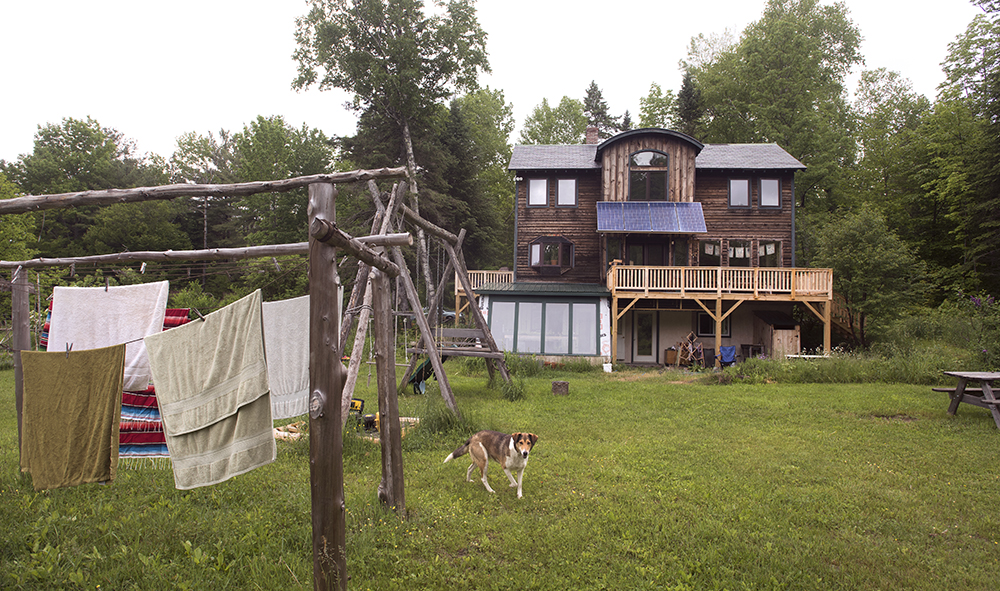
- Self-Sufficiency and Independence: One of the most appealing aspects is the ability to rely on your own skills and resources. Generating your own electricity, sourcing water, and growing food can foster a strong sense of accomplishment.
- Reduced Utility Costs: While the initial setup can be costly, ongoing expenses for electricity, water, and sewage are often much lower or even eliminated entirely.
- Environmental Impact: Many off-grid homes use renewable energy sources such as solar or wind, composting toilets, and sustainable building materials, leading to a smaller ecological footprint.
- Privacy and Tranquility: Living remotely often means fewer neighbors and less noise, offering a peaceful environment for those seeking solitude or a closer connection to nature.
- Resilience: Off-grid living can make you less vulnerable to power outages, water shortages, or disruptions in public services.
Challenges and Drawbacks of Off-Grid Living
While the rewards are enticing, it’s important to be realistic about the difficulties. Here are some of the most common challenges faced by those who choose this path:
- High Initial Investment: Setting up solar panels, batteries, water systems, and waste management can require a significant upfront cost.
- Ongoing Maintenance: All systems—especially energy and water—require regular monitoring and repair. If something breaks, you’re responsible for fixing it.
- Limited Access to Services: Emergency services, healthcare, and even grocery stores may be far away, which can be inconvenient or even risky in urgent situations.
- Legal and Zoning Issues: Some areas have strict building codes or restrictions on alternative energy systems, composting toilets, or water collection.
- Social Isolation: The remote nature of many off-grid properties can lead to feelings of loneliness or disconnect from community.
- Learning Curve: Gaining the skills to manage power, water, waste, and food production can be overwhelming, especially for beginners.
For those new to this lifestyle, learning from others’ experiences and mistakes is invaluable. Guides like modern homesteading beginner mistakes can help you avoid common pitfalls and prepare for the realities of self-sufficient living.
Comparing Off-Grid Living to Traditional Homesteading
Not all self-reliant lifestyles are the same. Some people choose to live entirely disconnected from public utilities, while others adopt a hybrid approach, using some grid services while producing their own food and energy. Here’s how these approaches differ:
| Aspect | Fully Off-Grid | Traditional Homesteading |
|---|---|---|
| Utility Dependence | None (self-supplied power, water, waste) | Partial (may use grid electricity or water) |
| Setup Cost | High upfront investment | Lower initial cost |
| Maintenance | Owner is fully responsible | Shared with utility providers |
| Resilience | High (less affected by outages) | Moderate (some grid dependence) |
| Flexibility | Must adapt to resource limits | More convenience, less restriction |
Both approaches offer unique benefits and challenges. Your choice depends on your goals, resources, and willingness to adapt to a more hands-on lifestyle.
Key Considerations Before Making the Leap
If you’re weighing the advantages and disadvantages of off-grid living, it’s important to ask yourself a few key questions:
- What are your primary motivations—cost savings, environmental impact, independence, or something else?
- Are you prepared for the physical and mental demands of maintaining your own systems?
- Do you have the skills or willingness to learn about energy, plumbing, gardening, and repairs?
- Is your chosen location suitable for renewable energy generation and water sourcing?
- Are you comfortable with a more isolated lifestyle, or will you need to build a strong local network?
For those interested in growing their own food or raising animals, resources like modern homesteading herbal garden ideas and modern homesteading backyard dairy basics offer practical tips for getting started.
Resources and Further Reading
Research is essential before making any major lifestyle change. For a detailed look at setting up your own homestead, this comprehensive off-grid homestead guide covers everything from site selection to system maintenance.
Budgeting is another crucial factor. The modern homesteading budgeting tips guide can help you plan for both the initial investment and ongoing expenses.
FAQ: Common Questions About Off-Grid Living
What are the most important skills to learn for off-grid living?
Essential skills include basic electrical and plumbing knowledge, gardening, animal care, food preservation, and general repair work. Being able to troubleshoot and fix issues as they arise is critical for self-reliance.
How much does it cost to set up an off-grid homestead?
Costs vary widely depending on location, size, and the systems you choose. Initial expenses can range from a few thousand to tens of thousands of dollars for solar panels, batteries, water systems, and building materials. Ongoing costs are typically lower, but maintenance and unexpected repairs should be budgeted for.
Is off-grid living legal everywhere?
No, regulations differ by region. Some areas have restrictions on alternative energy systems, water collection, or waste disposal. Always check local zoning laws and building codes before purchasing land or starting construction.