
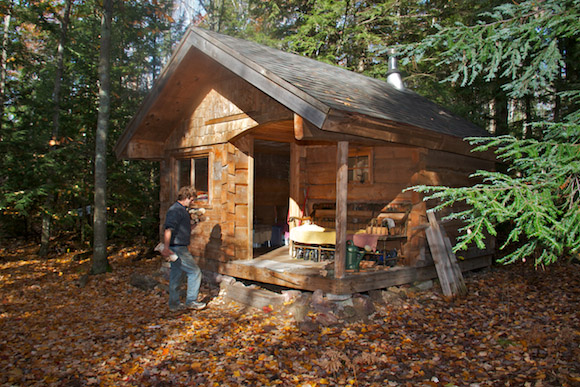
Developing basic carpentry for homestead living is a practical skill that empowers you to handle repairs, upgrades, and new projects with confidence. Whether you’re maintaining a chicken coop, building raised beds, or fixing fences, a solid foundation in woodworking can save money and increase your self-reliance. This article introduces the essential tools, techniques, and safety practices every homesteader should know to tackle everyday carpentry tasks.
Carpentry on a homestead isn’t just about construction—it’s about adapting to challenges, making the most of available resources, and ensuring your property remains functional and safe. By learning the basics, you’ll be prepared to address common issues and take on rewarding DIY projects. For those interested in a broader set of preparedness skills, check out our guide on survival skills for homesteaders.
Why Carpentry Skills Matter for Homesteaders
On a rural property, the ability to build and repair structures is invaluable. From maintaining animal shelters to constructing storage solutions, carpentry for homestead repairs helps you avoid costly service calls and allows you to customize your environment. These skills also support sustainability, as you can repurpose materials and extend the life of existing buildings.
Many off-grid projects, such as installing solar panel mounts or building compost bins, require a working knowledge of woodworking. If you’re interested in more hands-on projects, our article on DIY off-grid projects offers inspiration for increasing your self-reliance.
Essential Tools for Woodworking on the Homestead
Having the right tools makes every job easier and safer. For those starting out with basic carpentry for homestead tasks, focus on assembling a core set of hand tools and a few power tools if electricity is available.
- Measuring and Marking: Tape measure, carpenter’s square, and pencil are must-haves for accuracy.
- Cutting: Handsaw, circular saw (if powered), and a utility knife cover most needs.
- Fastening: Hammer, screwdrivers, and a cordless drill for driving screws and drilling holes.
- Shaping and Smoothing: Chisels, hand plane, and sandpaper help refine your work.
- Safety Gear: Safety glasses, hearing protection, and work gloves protect you from common hazards.
For a more detailed breakdown, see our list of essential tools for off-grid living and hand tools for homesteaders.

Common Repairs and Projects on Rural Properties
Everyday life on a homestead brings a steady stream of maintenance tasks. Knowing how to handle these with homestead carpentry skills keeps your property running smoothly. Here are some of the most frequent jobs:
- Repairing Fences: Replace broken rails, reset posts, and patch wire to keep animals safe.
- Building Raised Beds: Constructing garden beds from lumber is a beginner-friendly project that improves food production.
- Fixing Sheds and Outbuildings: Replace rotted boards, reinforce doors, and add shelving for better storage.
- Chicken Coop Upgrades: Add nest boxes, perches, or predator-proofing features as needed.
- Deck and Porch Maintenance: Tighten loose boards, replace steps, and seal wood to extend lifespan.
For more on troubleshooting and maintaining off-grid systems, visit our resource on repairing off-grid systems.
Safety Tips for Carpentry on the Homestead
Safety should always come first when working with tools and materials. Here are key practices to reduce risk:
- Always wear appropriate protective gear, including eye and ear protection.
- Keep your work area clean and free from tripping hazards.
- Inspect tools before use to ensure they’re in good condition.
- Follow manufacturer instructions for power tools and never bypass safety features.
- Work with a partner when handling large or heavy materials.
Taking these precautions helps prevent injuries and ensures your projects are completed efficiently.
Learning and Improving Your Carpentry Abilities
Mastering basic carpentry for homestead use is a process that builds over time. Start with small, manageable projects and gradually take on more complex tasks as your confidence grows. Online tutorials, books, and local workshops can provide valuable instruction. If you’re living off-grid, consider resources like the off-grid living guide for additional tips on sustainable building and repairs.
Don’t hesitate to ask neighbors or local experts for advice. Many rural communities have a strong tradition of sharing knowledge, and learning from others’ experience can help you avoid common mistakes.
Maintaining and Storing Your Tools
Proper care and storage of your tools ensures they last longer and work safely. After each use, clean off dirt and debris, check for damage, and store tools in a dry, secure location. Oil metal parts to prevent rust, and sharpen blades regularly. Organizing your workspace with shelves, pegboards, or toolboxes makes it easier to find what you need and keeps your homestead running smoothly.
FAQ: Basic Carpentry for Homestead Living
What are the most important carpentry skills for a beginner homesteader?
Focus on measuring and marking accurately, safely using hand saws and drills, and learning how to fasten wood with nails and screws. These core skills will help you handle most small repairs and simple builds.
How can I practice carpentry if I have limited experience?
Start with small projects like building a birdhouse, a simple shelf, or a raised garden bed. These allow you to practice cutting, fastening, and finishing wood without requiring advanced techniques or expensive materials.
Do I need power tools to do carpentry on my homestead?
While power tools make some tasks faster, many essential repairs and builds can be completed with hand tools alone. If you’re off-grid or want to minimize reliance on electricity, invest in quality hand tools and learn to use them well.
Conclusion
Building a foundation in carpentry is one of the most valuable investments you can make as a homesteader. With the right tools, knowledge, and safety habits, you’ll be equipped to handle repairs, upgrades, and new projects that support your self-sufficient lifestyle. For more ideas and inspiration, explore our collection of DIY off-grid projects and continue developing your skills for a more resilient homestead.