Starting a life away from modern conveniences is a rewarding but challenging journey. Many newcomers are drawn to the promise of self-sufficiency, independence, and a closer connection to nature. However, the path to successful off-grid living is filled with potential pitfalls, especially for those just beginning. Understanding the most common off-grid homesteading mistakes to avoid can help you build a more resilient, enjoyable, and sustainable lifestyle from the start.
In this article, we’ll explore the most frequent errors made by those new to living off the land, along with practical advice for sidestepping them. If you’re looking for more guidance on related topics, the modern homesteading fencing guide offers valuable tips for securing your property and livestock.
Setting Realistic Expectations for Off-Grid Living
One of the first and most significant off-grid homesteading mistakes to avoid is underestimating the complexity of the lifestyle. Many people romanticize the idea of living off the grid, imagining peaceful days and instant self-sufficiency. In reality, the transition can be physically and mentally demanding.
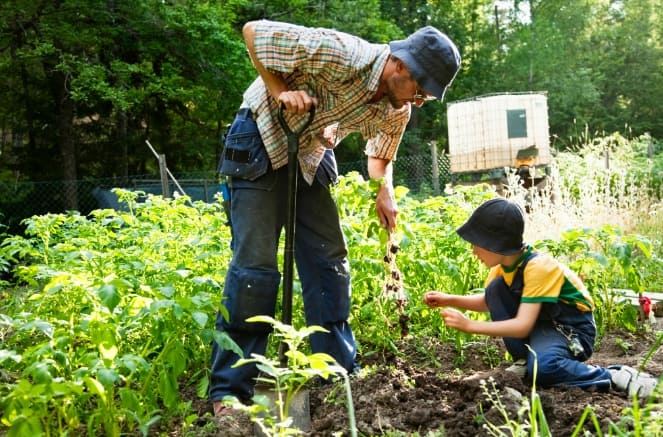
- Time investment: Tasks like gardening, animal care, and maintenance require daily attention.
- Learning curve: Skills such as carpentry, plumbing, and food preservation are essential and take time to master.
- Financial planning: Initial setup costs for land, tools, and infrastructure can be substantial.
It’s important to research thoroughly and talk to experienced homesteaders before making the leap. Consider starting small and gradually expanding your projects as you gain confidence and skills.
Common Pitfalls in Energy and Water Management
Reliable access to power and water is crucial for any homestead. Many beginners overlook the complexity of setting up sustainable systems, leading to frustration and unexpected expenses.
Energy System Oversights
Choosing the right energy setup is a frequent challenge. Underestimating your power needs or relying on a single source can leave you without electricity when you need it most.
- Calculate your true energy consumption before investing in solar panels, wind turbines, or generators.
- Have backup options and maintain your equipment regularly.
- Invest in quality batteries and learn how to monitor and manage energy storage.
Water Supply and Storage Errors
Water is often more difficult to secure than newcomers expect. Relying solely on a well or rainwater collection without adequate storage can be risky, especially in dry seasons.
- Test water sources for quality and reliability before committing to a property.
- Install multiple collection and storage systems to ensure redundancy.
- Plan for filtration and purification to guarantee safe drinking water.

Overextending on Projects and Livestock
Taking on too many projects or animals at once is a classic error for those new to rural life. While enthusiasm is great, spreading yourself too thin can lead to burnout and neglected responsibilities.
- Start with a manageable garden and a small number of animals.
- Expand only as you become comfortable with daily routines and seasonal demands.
- Keep detailed records to track progress and identify areas for improvement.
For those interested in growing their own herbs, the modern homesteading herbal garden ideas article provides inspiration for starting small and scaling up.
Neglecting Budgeting and Emergency Planning
Financial missteps are among the most damaging off-grid homesteading mistakes to avoid. Many first-timers underestimate ongoing costs or fail to set aside funds for emergencies.
- Track all expenses, including maintenance, feed, seeds, and repairs.
- Set aside a contingency fund for unexpected events like equipment failure or medical needs.
- Review your budget regularly and adjust as your homestead evolves.
For more tips on managing your finances, check out the modern homesteading budgeting tips guide.

Ignoring Security and Fencing Requirements
Overlooking the need for proper fencing and security can lead to loss of livestock, crop damage, or even theft. Many new homesteaders are surprised by how quickly wildlife or stray animals can disrupt their efforts.
- Invest in sturdy, well-planned fencing to protect gardens and animals.
- Regularly inspect and maintain barriers for weaknesses or damage.
- Consider motion lights or alarms for added peace of mind.
For a comprehensive look at property protection, refer to the modern homesteading fencing guide.
Underestimating the Importance of Community and Learning
Trying to do everything alone is a common misstep. Building relationships with neighbors and other homesteaders can provide invaluable support, knowledge, and even resources.
- Join local groups or online forums to share experiences and ask questions.
- Attend workshops or volunteer on established homesteads to gain hands-on skills.
- Be open to advice and willing to adapt your approach as you learn.
If you’re interested in dairy animals, the modern homesteading backyard dairy basics article is a great resource for connecting with others and learning best practices.
Forgetting About Legal and Zoning Issues
Overlooking local regulations is another frequent error. Zoning laws, building codes, and water rights can all impact your plans. Failing to research these details can result in fines or forced changes to your property.
- Check all local and state regulations before purchasing land or starting projects.
- Obtain necessary permits for building, wells, and septic systems.
- Stay informed about changes in laws that could affect your homestead.
Learning from Others: Additional Resources
There are many ways to deepen your knowledge and avoid unnecessary setbacks. For those interested in living with minimal resources, this practical guide to living off the grid with no money offers actionable strategies for getting started on a tight budget.
Continual learning and adaptation are key to long-term success. Explore resources, seek mentorship, and remember that every mistake is an opportunity to grow.
FAQ: Off-Grid Homesteading for Beginners
What are the most common challenges faced by new off-grid homesteaders?
Newcomers often struggle with underestimating the workload, mismanaging resources like water and energy, and taking on too many projects at once. Financial planning and adapting to isolation can also be challenging.
How can I avoid burnout when starting my homestead?
Begin with a few manageable projects, set realistic goals, and allow time for rest. Connect with other homesteaders for support, and don’t hesitate to ask for help or advice when needed.
Is it possible to start living off-grid with limited funds?
Yes, but it requires careful planning, prioritizing essential systems, and a willingness to learn new skills. Using recycled materials, bartering, and gradually building up your homestead can help keep costs down. For more ideas, see the guide to off-grid living with no money.
Where can I find more tips on avoiding beginner mistakes?
The modern homesteading beginner mistakes article covers additional pitfalls and provides practical solutions for new homesteaders.