
Planning an independent energy system for your homestead or cabin means understanding how to size your battery bank for reliable, round-the-clock power. Getting off-grid battery bank sizing right is essential for keeping your lights on, running appliances, and ensuring you have enough stored energy to weather cloudy days or unexpected outages. This guide breaks down the key steps, calculations, and considerations to help you determine the right battery capacity for your needs—whether you’re building a new system or upgrading an existing one.
Before diving into the technical details, it’s helpful to explore related topics, such as fencing and livestock management, which can impact your overall energy demands. For a broader look at homestead infrastructure, see the modern homesteading fencing guide.

Understanding Your Daily Energy Usage
The first step in sizing a battery bank is to calculate your average daily energy consumption. This involves listing all the devices and appliances you plan to use, estimating how many hours each will run per day, and adding up the total watt-hours (Wh) required.
- Lights: Count the number and wattage of bulbs, then multiply by hours used.
- Refrigerator: Check the energy label for daily consumption or use a plug-in meter.
- Water pumps, fans, and tools: Include all intermittent loads.
- Electronics: Laptops, routers, and entertainment devices add up over time.
For example, if your total daily usage is 3,000 Wh (3 kWh), that’s the baseline for your battery bank calculations.
Key Factors in Off-Grid Battery Bank Sizing
Several variables influence the size of your battery bank beyond just daily usage. Here are the main considerations:
- Days of Autonomy: How many days do you want your system to run without sun or wind? Most off-grid systems are designed for 2–3 days of backup.
- Depth of Discharge (DoD): Batteries have a recommended maximum discharge level to prolong their life. Lead-acid batteries typically use 50% DoD, while lithium batteries can safely go to 80–90%.
- System Voltage: Common off-grid voltages are 12V, 24V, or 48V. Higher voltages are more efficient for larger systems.
The basic formula for battery capacity (in amp-hours, Ah) is:
Battery Capacity (Ah) = (Daily Usage in Wh × Days of Autonomy) ÷ (System Voltage × DoD)
For example, with 3,000 Wh/day, 3 days of autonomy, a 24V system, and 80% DoD:
Battery Capacity = (3,000 × 3) ÷ (24 × 0.8) = 11,250 ÷ 19.2 ≈ 586 Ah
Choosing the Right Battery Type
The type of battery you select will affect both the size and performance of your storage system. The most common options for off-grid living are:
- Flooded Lead-Acid: Affordable and proven, but require regular maintenance and ventilation.
- Sealed Lead-Acid (AGM/Gel): Maintenance-free and spill-proof, but generally cost more and have a shorter lifespan than lithium.
- Lithium Iron Phosphate (LiFePO4): Higher upfront cost, but longer life, deeper discharge, and lighter weight.
Lithium batteries are increasingly popular for their efficiency and longevity, especially in remote or mobile applications.
Calculating Storage Needs for Your Homestead
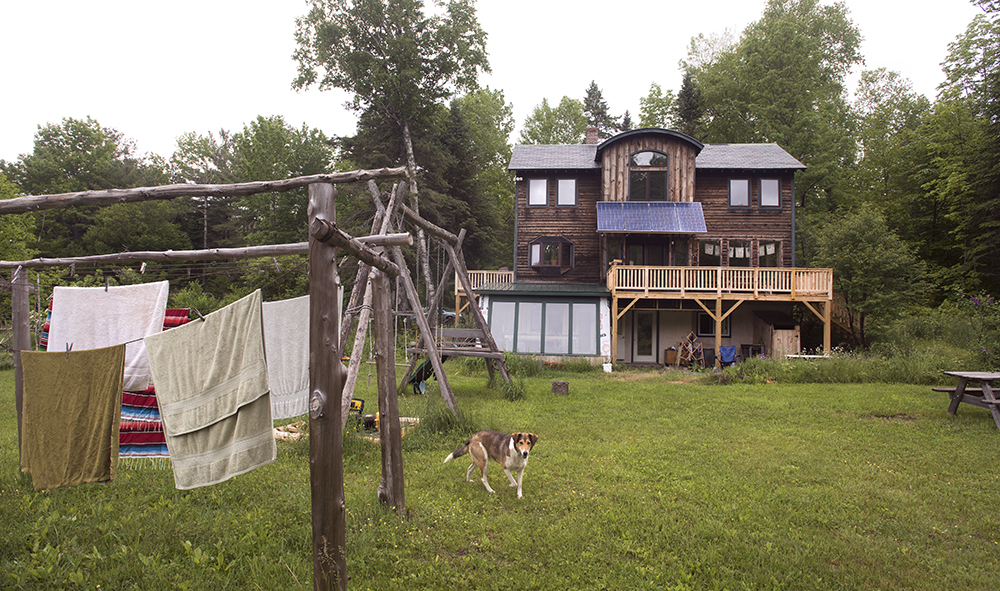
Every property is unique, so your storage requirements may differ from common examples. Factors like climate, household size, and lifestyle all play a role. For instance, a family running a fridge, well pump, and basic lighting will need a larger battery bank than a minimalist cabin with only LED lights and a laptop.
It’s also wise to consider seasonal changes. In winter, solar production drops, and heating needs may rise. Sizing your battery bank with a buffer for these fluctuations helps prevent unexpected outages.
For more inspiration on homestead design and planning, you might enjoy reading about modern homesteading herbal garden ideas or modern homesteading backyard dairy basics.
Practical Tips for Efficient Energy Storage
- Monitor Usage: Install a battery monitor to track consumption and state of charge.
- Balance Loads: Spread out high-demand appliances to avoid deep discharges.
- Maintain Batteries: Check water levels (if applicable), keep terminals clean, and follow manufacturer guidelines.
- Plan for Expansion: If you expect your energy needs to grow, size your system with extra capacity or choose modular batteries.
Common Mistakes When Planning Battery Storage
- Underestimating Loads: Failing to account for all devices or future additions can leave you short on power.
- Ignoring Battery Efficiency: All batteries lose some energy during charging and discharging; factor in a 10–15% buffer.
- Poor Maintenance: Neglecting battery care reduces lifespan and performance.
- Improper Sizing: Oversizing wastes money, while undersizing risks outages and shortens battery life.
To avoid these pitfalls, review your calculations, consult with professionals if needed, and consider learning from other homesteaders’ experiences. For a broader overview of common errors, see the modern homesteading beginner mistakes guide.
Integrating Battery Banks with Renewable Energy Sources
Most off-grid systems pair battery banks with solar panels, wind turbines, or micro-hydro generators. The size of your renewable array should match your storage capacity to ensure you can fully recharge your batteries during typical weather conditions. Oversized solar arrays can help during winter or cloudy periods, while a backup generator can provide extra security.
For a detailed look at off-grid living and practical tips, check out this comprehensive guide to off-grid homesteading.
FAQ: Off-Grid Battery Storage and Sizing
How do I calculate the right size for my off-grid battery bank?
Start by adding up your daily energy use in watt-hours, decide how many days of backup you want, and factor in the depth of discharge for your battery type. Use the formula: (Daily Usage × Days of Autonomy) ÷ (System Voltage × DoD) to find the required amp-hours.
What is the best battery type for off-grid living?
Lithium iron phosphate batteries are popular for their long life, deep discharge capability, and low maintenance. However, lead-acid batteries are still widely used due to their lower upfront cost. The best choice depends on your budget, maintenance preferences, and system size.
Can I expand my battery bank later?
Many systems can be expanded, but it’s important to use compatible batteries and follow manufacturer recommendations. Mixing old and new batteries can reduce performance, so plan for future growth when designing your system.
How often should I check or maintain my batteries?
Maintenance frequency depends on battery type. Flooded lead-acid batteries need regular water checks and terminal cleaning, while sealed and lithium batteries require minimal attention. Always follow the manufacturer’s guidelines for best results.
What happens if my battery bank is too small?
An undersized battery bank will discharge too deeply, reducing battery life and risking power outages. It’s better to slightly oversize your system to ensure reliable energy, especially during periods of low renewable generation.